



The Paradise Paradox
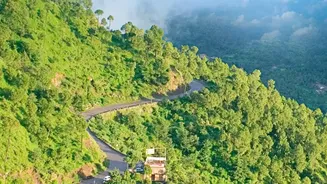
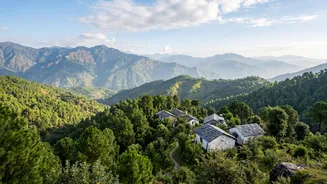
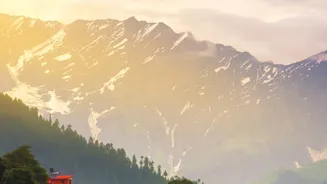
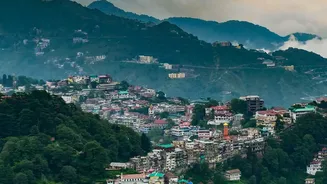
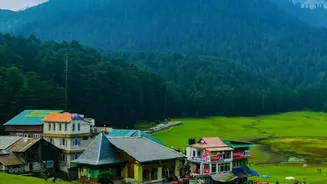
For generations, names like Shimla, Mussoorie, Manali, and Nainital have promised a cool respite from the blistering summer heat of the plains. They were escapes into nature, offering crisp air, scenic views, and a slower pace of life. Today, that promise is fading.
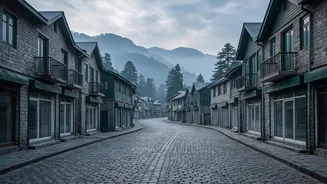
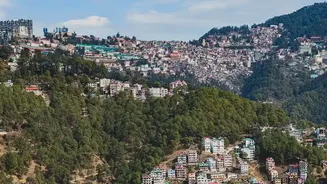
Recent tourist seasons, especially in the summer of 2026, have seen these destinations overwhelmed. Endless lines of cars clog narrow mountain roads, turning a few hours' drive into an all-day ordeal. Viewpoints are lost behind a sea of people, and the quiet charm that made these places famous is being replaced by the frantic energy of an overcrowded city. The crisis has become so acute that local authorities are often forced to physically bar vehicles from entering towns already filled beyond capacity. What was once a seasonal strain has now become a year-round crisis, fundamentally changing the character of these mountain retreats.
A Victim of Its Own Success
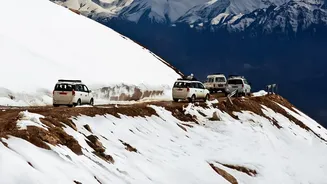
Several factors are fueling this unprecedented rush. Improved road connectivity has made these once-remote towns more accessible, while a booming economy has put travel within reach for millions. The post-pandemic surge in domestic travel continues to play a significant role, as people seek out local destinations. Furthermore, social media amplifies trends, concentrating tourist traffic on a handful of 'Instagrammable' spots, creating bottlenecks. The numbers are staggering: Shimla, a town built for 25,000 residents, now contends with a population that swells dramatically, with tens of thousands of vehicles arriving on peak weekends. Similarly, Manali's roads are frequently paralyzed by the rush of tourists hoping to see snow at Rohtang Pass, a desire so strong that many travel there even without the mandatory, hard-to-get permits.
Cracks in the Foundation
This relentless influx is pushing fragile mountain ecosystems and outdated infrastructure to their breaking point. The most visible sign is traffic, but the underlying problems are far more severe. Water shortages have become a recurring nightmare in places like Shimla, where colonial-era pipelines cannot support the seasonal population boom. Waste management is another critical issue; with tourist-generated garbage far exceeding the processing capacity of local municipalities, trash is often dumped on slopes, polluting forests and water sources. The very geology of the Himalayas, a young and seismically active mountain range, makes the region vulnerable. Unregulated construction to build more hotels and homestays destabilizes slopes, increasing the risk of landslides during heavy monsoon rains, a recurring tragedy in states like Himachal Pradesh and Uttarakhand.
The Search for Solutions
Recognizing the crisis, authorities are beginning to act, though solutions are complex and often controversial. Several states and courts have stepped in with measures aimed at controlling the tide. The National Green Tribunal (NGT), for example, previously intervened to cap the number of vehicles allowed to visit Rohtang Pass daily to limit ecological damage. Following court directives, towns like Nainital have experimented with banning vehicles without confirmed parking bookings, requiring tourists to use shuttle services. Uttarakhand has also moved towards a digital registration system for tourists in Mussoorie to monitor visitor numbers in real-time. There is a growing call to shift from a model of mass tourism to one focused on sustainability. This includes promoting lesser-known destinations to distribute the tourist load, implementing 'green taxes' or entry permits to fund infrastructure, and enforcing stricter building and environmental codes. The state government in Himachal Pradesh, for instance, is developing a new eco-tourism policy aimed at creating sustainable growth and involving local communities.