






A Symphony of Sensation
A great chutney is all about balance. Indian cuisine often strives to incorporate six key tastes: sweet, sour, salty, bitter, pungent, and astringent. A main dish might be rich and savoury, but it's the chutney on the side that completes the picture.
The combination of ginger, chilli, and lemon is a masterclass in creating this balance. It’s not just about adding three strong flavours; it’s about how they interact. The sharp heat from the chilli, the pungent bite from the ginger, and the zesty acidity from the lemon work in harmony to cut through fat, cleanse the palate, and make every bite more interesting than the last. This trio doesn’t just add its own flavour; it amplifies the tastes of everything else on the plate.
The Fiery Heart: Chilli
The defining sensation of chilli comes from a chemical compound called capsaicin. Interestingly, spiciness isn't a taste but a sensation of heat. Capsaicin activates pain receptors on our tongue that normally detect high temperatures, tricking our brain into thinking we've eaten something physically hot. This is what creates that familiar burning feeling. But heat is only part of the story. Different chillies bring different flavour notes, from fruity and smoky to sharp and immediate. In a chutney, chilli provides a sharp kick that stimulates saliva production, which can aid in digestion. The heat is concentrated in the white pith or membrane that holds the seeds, not the seeds themselves. By managing the type of chilli and how much of this pith is included, a cook can precisely control the intensity of the final product.
The Pungent Soul: Ginger
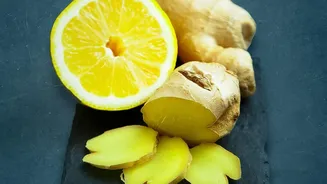
Ginger brings a unique pungent warmth to the mix. The compound responsible for this signature bite is gingerol, which is chemically related to capsaicin. Fresh ginger offers a spicy, slightly sweet, and highly aromatic profile. It provides a different kind of heat from chilli—less of a sharp burn and more of a deep, warming sensation. For centuries, ginger has also been valued for its digestive properties, known to stimulate gastric juices and reduce nausea. The way ginger is prepared affects its flavour. When cooked, gingerol can transform into zingerone, which is less pungent and has a sweeter aroma, think of the flavour of gingerbread. When dried, it can form shogaols, which are roughly twice as pungent as gingerol, explaining why dried ginger often has a more intense kick.
The Bright Finish: Lemon
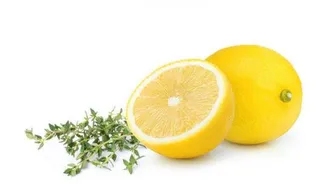
Lemon is the ultimate balancing act in the kitchen. Its power comes from citric acid, which gives it the ability to brighten and lift other flavours. In a chutney featuring the powerful duo of ginger and chilli, lemon juice provides a crucial sour note that prevents the flavours from becoming overwhelming. This acidity cuts through richness and fat, cleansing the palate and making heavy or fried foods feel lighter. A squeeze of lemon can make a dish taste properly seasoned without adding extra salt. Timing is key; adding lemon juice toward the end of cooking preserves its fresh, vibrant character. The zest is also valuable, containing aromatic oils that contribute a floral, citrusy fragrance that enhances the overall sensory experience.
The Art of the Balance
Creating the perfect chutney is an art form where the ratio of these three ingredients is everything. It's a delicate dance of flavour chemistry. Too much chilli can obliterate the subtlety of the ginger. Too much lemon can make the chutney overly sour, while too little can leave it tasting flat and heavy. The goal is a harmonious blend where each element is detectable but none dominates. Often, a sweet component like sugar or jaggery is added to round out the sharp edges of the chilli and lemon, creating a truly complex condiment. This is why many traditional recipes call for tasting and adjusting as you go—to achieve that perfect, mouth-puckering balance of hot, pungent, and sour that makes a chutney so irresistible.