






Beyond the Viral Outrage
A video of water dripping from a train's ceiling onto uncovered meal trays, or a passenger finding a fly in their biryani, is enough to make anyone lose their appetite. These incidents, often amplified on social media, create a narrative that all food
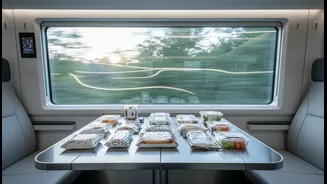
served on Indian Railways is a health hazard. While hygiene lapses are serious and unacceptable, they don't represent the full picture of the world's largest onboard food operations, which serves over 1.5 million passengers daily. The reality of food safety on trains is a complex system of regulations, logistical hurdles, and enforcement challenges that deserves a closer look beyond the sensationalist headlines.
What the Rulebook Says
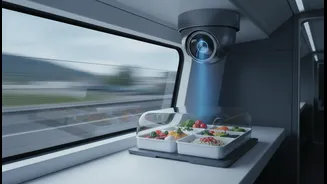
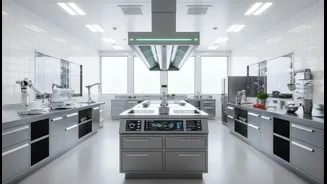
There is a formal system in place to govern food on trains. Both Indian Railway Catering and Tourism Corporation (IRCTC) and the Food Safety and Standards Authority of India (FSSAI) have extensive guidelines. All catering services, pantry cars, and vendors operating on railway premises are required to have an FSSAI license, which mandates adherence to strict hygiene and safety standards. Indian Railways has also made efforts to modernize, including commissioning new base kitchens with CCTV monitoring, using branded raw materials, and deploying food safety supervisors. In response to complaints, penalties can be severe, with IRCTC recently fining a service provider ₹50 lakh and ordering the termination of their contract for a single incident.
The Reality on the Rails
Despite the rules, challenges remain. The long, complex supply chain, from a base kitchen to a passenger's seat on a moving train, presents numerous opportunities for failure. Maintaining proper food temperature is difficult, and lapses can happen. Viral videos have shown staff washing utensils in unhygienic places like train toilets, prompting official notices from FSSAI. While IRCTC takes action when such issues are reported, the sheer scale of the network means that on-the-ground enforcement can be inconsistent. This gap between policy and practice is where most passenger concerns originate.
Pantry Car vs. E-Catering: Know Your Options
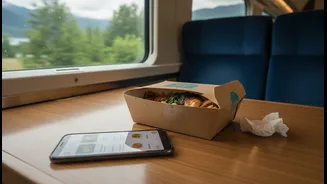
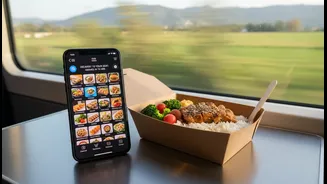
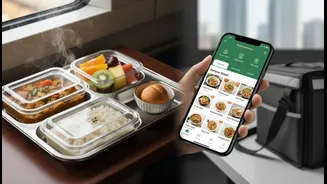
Passengers today have more choices than just the pantry car. IRCTC's e-Catering service allows travelers to order meals from a wide array of private restaurants and major food brands, delivered directly to their seat at designated stations. This system, accessible via the official 'Food on Track' app or website, provides greater variety and allows passengers to choose restaurants based on ratings and reviews. However, this has also led to the rise of unauthorized apps and websites that pose risks of unhygienic food, data theft, and financial fraud. IRCTC has recently begun legal action against over a dozen such illegal operators, advising passengers to use only official channels.
Your Food Safety Checklist
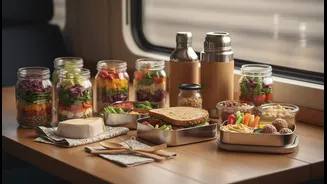
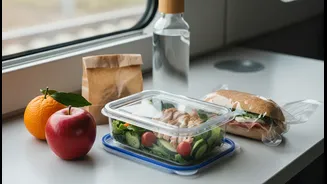
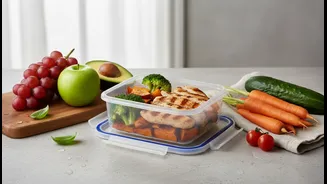
Rather than forgoing food entirely, a few smart choices can significantly reduce risks. Opt for simple, freshly cooked meals like dal, rice, and roti, which are easier to digest and less prone to spoilage. When using e-catering, stick to the official IRCTC website (ecatering.irctc.co.in), the 'Food on Track' app, or major aggregators like Zomato and Swiggy that are official partners. Avoid uncovered food from platform vendors. Packing some of your own food, such as theplas, dry snacks, and fruits, is another reliable strategy for long journeys. Always carry your own water bottle or purchase only sealed ones.
How to Make Your Complaint Count
If you receive substandard food, do not stay silent. Indian Railways has multiple channels for grievance redressal. The 'RailMadad' app or website is the primary portal for complaints. You can also call the universal helpline number 139. For a faster response, many passengers turn to social media, posting a photo or video of the issue and tagging the official handles @RailMinIndia and @IRCTCofficial, including their PNR and train numbers. These complaints are taken seriously and often result in prompt action, including refunds and inquiries into the vendor's practices.