



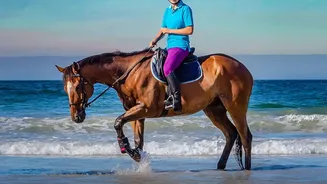
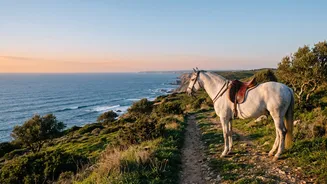
A Journey at the Pace of History
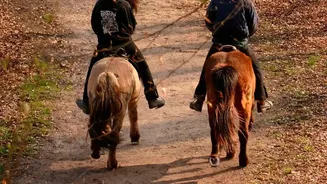
Slow travel is about more than just moving leisurely; it's about deep immersion and connection. When you travel by horseback in Portugal, you are not merely a spectator but an active participant in the landscape. The journey becomes the destination. This
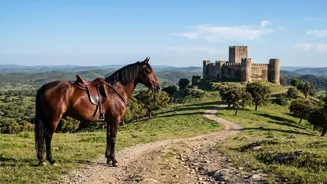
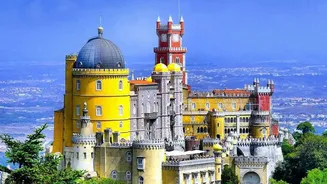
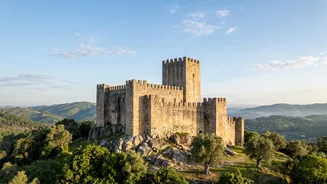
mode of travel forces a state of heightened awareness, where the scents of pine and eucalyptus, the sound of birdsong, and the sight of a far-off medieval castle are not just fleeting images but defining moments. You follow trails that were once the arteries of the nation—ancient smuggling routes, Roman roads, and pilgrim paths that are inaccessible by modern vehicles. This slower pace allows for a profound appreciation of the country's history, letting you experience its old settlements not as museum pieces, but as living, breathing places.
Exploring the Alentejo and Beyond
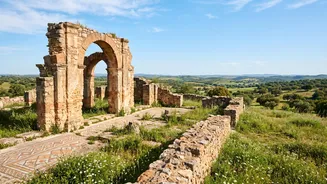
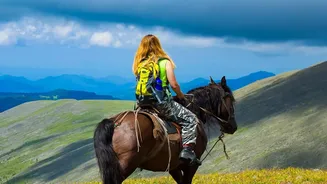
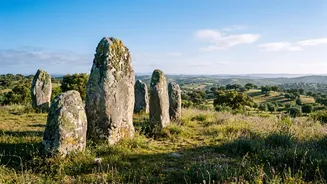
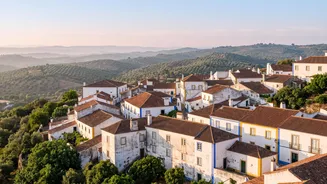
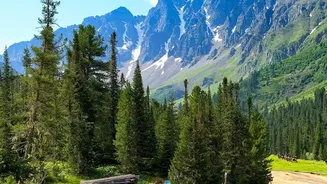
While equestrian trails exist throughout Portugal, the Alentejo region stands out as a premier destination for horseback exploration. Known for its vast rolling plains, cork oak forests, and sun-drenched vineyards, the Alentejo's unhurried rhythm of life is perfectly suited to equestrian travel. Here, you can ride to the hilltop fortress of Marvão, a medieval walled village with breathtaking views, or discover the ruins of the Roman city of Ammaia. Trails often lead to neolithic tombs known as dolmens, reminders of the region's prehistoric inhabitants. Beyond the Alentejo, the Ribatejo region offers journeys through vineyards and along the Tagus River, while the mountainous Peneda-Gerês National Park in the north provides rugged trails where you might even spot wild horses.
The Noble Lusitano Companion
A key part of the experience is the horse itself. In Portugal, that often means riding a Lusitano, a breed deeply woven into the nation's soul. Renowned for their intelligence, willing nature, and smooth gaits, Lusitanos are descendants of the ancient Iberian horse and are considered one of the world's first saddle horses. These horses are not just a means of transport; they are your partners in discovery. Many riding holidays are based at 'quintas' (country estates) or stud farms, where you can learn about the breeding and training of these magnificent animals. Riding a horse with such a strong connection to Portuguese culture adds an unparalleled layer of authenticity to the journey.
More Than Just a Ride
An equestrian holiday in Portugal is an all-encompassing cultural experience. The journey doesn't end when you dismount. Evenings are often spent in charming rural guesthouses, renovated farmhouses, or historic 'pousadas'. These stays provide an opportunity to savour authentic Portuguese hospitality and cuisine. Picture a picnic lunch with local cheeses and wines in a pine forest, followed by a hearty dinner of regional specialities. Many tour operators are run by guides with deep knowledge of local history, archaeology, and nature, transforming a simple trail ride into a rolling history lesson. This holistic approach ensures that you connect with the people and traditions of the region, making the trip a truly memorable immersion.
Planning Your Equestrian Adventure
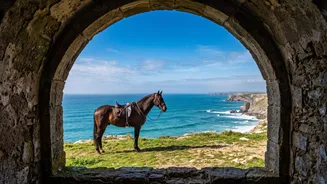
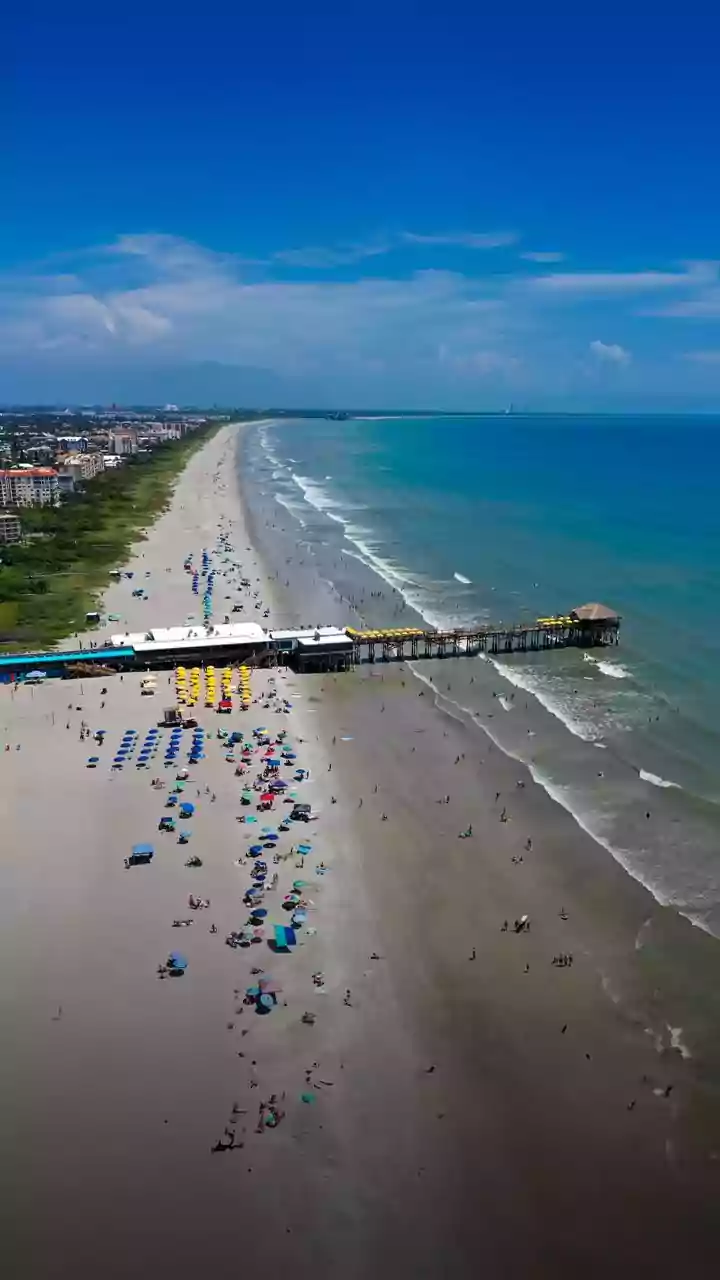
A wide range of horseback tours are available, catering to various skill levels from beginner to advanced. Many itineraries are point-to-point trail rides lasting several days, with daily riding times typically between four and six hours. When choosing a tour, consider what type of landscape you wish to explore—the coastal trails of the Costa Azul, the rolling hills of the Alentejo, or the mountains of the north. No expert riding experience is usually necessary, but a reasonable level of fitness is important for spending long hours in the saddle. The best times to go are spring and autumn when the climate is mild and the countryside is at its most beautiful.