






An Unlikely Culinary Connection
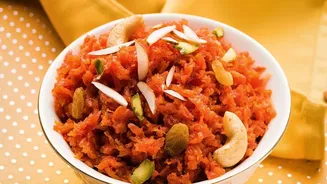
Japan and India, two ancient cultures separated by thousands of kilometres, share an unexpected bond on the dessert platter. While Indian mithai is often defined by its liberal use of milk, ghee, and sugar, and Japanese wagashi is known for its lighter,
plant-based ingredients, the similarities in their physical forms are striking. This connection goes beyond mere coincidence, pointing to a shared appreciation for aesthetics, seasonality, and the ritualistic role of food. Both traditions use desserts not just to satisfy a sweet craving, but to convey meaning, celebrate nature, and mark special occasions. The link is found in the soft, chewy textures and the meticulously crafted shapes that tell a story.
The Tale of Two Dumplings: Modak and Mochi
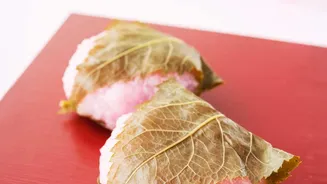
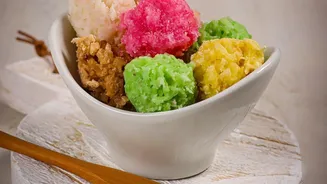
The most compelling evidence of this connection is the resemblance between India’s modak and Japan’s mochi. The modak, a steamed rice-flour dumpling with a sweet filling of coconut and jaggery, is famously offered to Lord Ganesha during Ganesh Chaturthi. Its pleated, teardrop shape is iconic. Thousands of miles away, Japan has mochi, a chewy cake made from glutinous rice flour, often filled with sweet red bean paste. The form is strikingly similar—a soft, rounded exterior holding a sweet secret inside. In Japan, a similar sweet called Kangidan, shaped like a bun and deep-fried, is offered to the deity Kangiten, who is the Japanese equivalent of Ganesha. Both modak and mochi are more than just sweets; they are integral parts of religious and cultural festivities, embodying a sense of tradition through their very shape and texture.
The Artistry of Sandesh and Wagashi
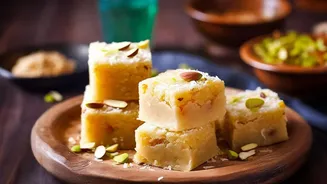
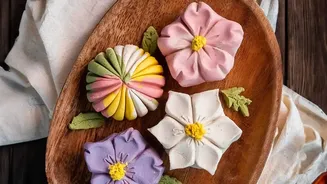
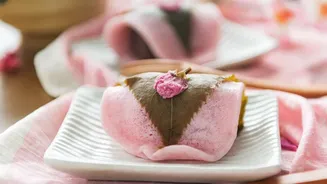
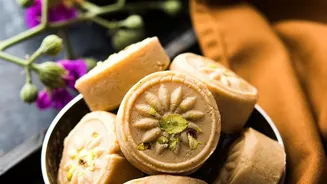
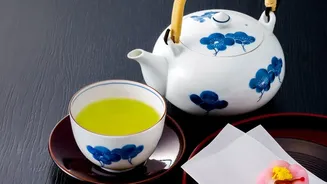
The comparison extends beyond rice dumplings. Consider the Bengali sandesh and Japanese wagashi. Sandesh, made from fresh paneer (chenna), is often pressed into moulds to create beautiful shapes, from flowers to conch shells. Its creation is an art form, especially the softer, hand-moulded 'naram paak' variety. Similarly, Japanese wagashi are masterpieces of confectionery art. These sweets are meticulously crafted to reflect the changing seasons, often shaped to look like cherry blossoms in spring or maple leaves in autumn. Both sandesh and wagashi are delicate, less intensely sweet compared to other desserts in their respective cuisines, and are prized for their visual appeal and refined texture. They represent a philosophy where the look of the food is as important as its taste.
A Shared Language of Texture
The focus on form is not just visual; it extends to the tactile experience of eating. The chewy, sticky, and slightly elastic texture is a hallmark of many desserts in both countries. This texture, derived from glutinous rice flour, is so prized in Japan that it has its own word: 'mochi-mochi'. This same beloved chewiness is found in Indian sweets like modak and kozhukattai, where the steamed rice flour casing provides a soft, satisfying bite. In both cultures, this specific texture is not just a byproduct of an ingredient but a deliberate culinary goal. The use of rice flour as a core ingredient in celebratory sweets is a common thread that runs through many Asian cuisines, creating a shared language of texture that links these diverse food traditions.