






The Foundation: Why Consistency is King
Before we even discuss blue light, it’s essential to understand the foundation of healthy sleep: routine. Your body runs on an internal 24-hour clock known as the circadian rhythm. This master clock governs everything from hormone release to body temperature,
but its most famous job is regulating your sleep-wake cycle. Sticking to a consistent bedtime and wake-up time, even on weekends, is the single most powerful way to keep this rhythm synchronized. When your body can predict when it’s time to rest and when to be alert, it performs both functions more efficiently. An irregular schedule, on the other hand, can lead to a feeling similar to jet lag, making it harder to fall asleep and wake up feeling refreshed. Prioritizing a regular schedule is the first and most crucial step toward better sleep.
The Screen Factor: More Than Just Blue Light
So, where do screens fit in? Their impact is two-fold. First, there's the much-discussed blue light. This specific wavelength of light is particularly effective at tricking your brain into thinking it's still daytime. It does this by suppressing the release of melatonin, the hormone that signals your body to wind down for sleep. Studies show that a couple of hours of screen time in the evening can significantly delay this crucial hormonal signal, making it harder to feel sleepy. But the issue isn't just physiological. The content we consume is often mentally stimulating. Whether you're engaging with social media, answering work emails, or watching a thrilling show, you're keeping your brain in a state of arousal. This cognitive and emotional stimulation is the opposite of the calm, relaxed state needed to transition into sleep.
Putting It In Perspective: A Holistic Approach
This is where the idea of 'perspective' becomes key. Obsessing over blue light while ignoring other factors is like trying to fix a leaky boat with a single piece of tape. A truly effective sleep hygiene routine is holistic. Consider your environment: a cool, dark, and quiet bedroom is paramount. Light of any kind, not just from screens, can disrupt sleep. Your daily habits also play a significant role. Regular physical activity, especially when done earlier in the day, promotes deeper, more restorative sleep. What you consume matters, too. Avoiding large meals and caffeine in the hours before bed can prevent disruptions. Creating a relaxing wind-down routine that doesn't involve a screen—like reading a physical book, gentle stretching, or taking a warm bath—signals to your brain that the day is ending.
Practical Steps for a Wiser Wind-Down
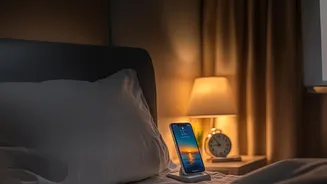
The goal isn't to banish technology entirely but to manage it wisely. Instead of a strict 'no screens' rule that feels unsustainable, aim to create a screen-free buffer zone of 30 to 60 minutes before your consistent bedtime. This gives your brain and body time to transition away from the stimulating digital world. If you must use your devices, activate 'night mode' or a blue-light filter to warm the colour temperature of the screen. Another strategy is to switch from interactive activities like gaming or social media to more passive ones, such as listening to a podcast or an audiobook. Many people also find success by charging their phone outside the bedroom, which removes the temptation for a final scroll after the lights are out. The key is to find small, consistent changes that work for your lifestyle, rather than aiming for an unrealistic standard of perfection.