




Beetroot (Chukandar)
Known for its vibrant colour and earthy flavour, beetroot is a nutritional powerhouse. It is an excellent source of fibre, folate, manganese, and beneficial nitrates that can help improve blood flow and lower blood pressure. While it's often used in salads,
beetroot is incredibly versatile. For a simple South Indian-style stir-fry, temper some mustard seeds and curry leaves in oil, sauté chopped onions, then add grated beetroot and cook until tender. Finish with a sprinkle of grated coconut for a delicious side dish. You can also boil and blend it into a vibrant chutney or add it to cutlet mixtures for a healthy, colourful snack.
Sweet Potato (Shakarkandi)
This naturally sweet root vegetable is far more than just a healthier alternative to the regular potato. Sweet potatoes are packed with fibre, antioxidants, and are especially rich in beta-carotene, which the body converts to Vitamin A. This is essential for good vision, a strong immune system, and healthy skin. A classic way to enjoy it in India is as 'Shakarkandi Chaat'—simply boil or roast the sweet potato, cube it, and toss with chaat masala, lime juice, and coriander. For another simple preparation, you can slice them into wedges, toss with a little oil and spices like paprika and pepper, and bake or air-fry until crisp and caramelised.
Taro Root (Arbi)
Taro root, or arbi, is a starchy vegetable with a unique nutty flavour that's beloved across India. It's a great source of dietary fibre and resistant starch, which are beneficial for gut health and can aid in managing blood sugar levels. When preparing arbi, it's important to cook it thoroughly to break down compounds that can cause itchiness. A popular method is to first boil the taro root until tender, then peel and slice it. From there, you can pan-fry the slices with spices like carom seeds (ajwain), turmeric, and coriander powder to make a simple and crispy stir-fry that pairs wonderfully with dal and roti.
Elephant Foot Yam (Jimikand or Suran)
Don't be intimidated by its large, rugged appearance; elephant foot yam is a versatile and healthful vegetable. Known as jimikand or suran, it has a dense, starchy texture. It is rich in potassium, fibre, and vitamins, and is traditionally used in Ayurveda to support digestion. Like taro root, it contains calcium oxalate crystals and must be cooked properly. A common way to prepare it is to boil or pressure cook the peeled and cubed yam until it's soft. It can then be mashed and cooked with spices to make a 'bharta' or sautéed with onions, tomatoes, and ginger-garlic to create a hearty sabzi.
Radish (Mooli)
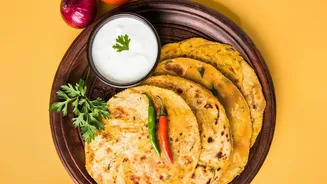
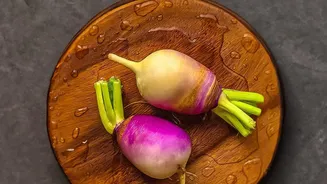
Radish, or mooli, is a crisp, peppery root vegetable that is incredibly low in calories but high in nutrients like Vitamin C and potassium. Its high water and fibre content make it great for digestion and hydration. While famously used to make stuffed parathas, there are simpler ways to enjoy it. Grate it raw into salads for a refreshing crunch or add it to soups and curries where its peppery notes will mellow into a mild sweetness. A very simple preparation is Mooli ki Bhurji, where grated radish is sautéed with onions, tomatoes, and spices to create a quick and flavourful dry curry.