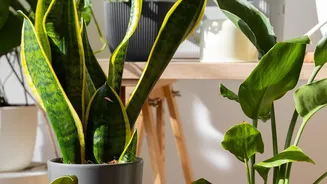







We’ve all seen the articles and social media posts: 'Top 10 Plants to Purify Your Home'. It’s a comforting thought, your snake plant silently scrubbing the air clean. But does this popular wellness claim actually hold up in the real world?
The Legend of the NASA Study
The belief that
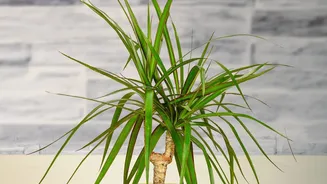
houseplants are natural air purifiers largely stems from a 1989 NASA study. Faced with the challenge of keeping air clean in sealed space stations, researchers placed common houseplants like spider plants and peace lilies into small, sealed chambers. They then injected pollutants like formaldehyde and benzene and observed what happened. The results were promising: the plants, along with the microorganisms in their soil, did indeed remove a significant portion of these volatile organic compounds (VOCs) from the air in the chamber. This single study became the foundation for decades of articles and marketing claims about 'air-purifying' plants.
From Lab to Living Room
The problem is that your living room is not a sealed NASA chamber. A 2019 review of decades of research published in the Journal of Exposure Science & Environmental Epidemiology highlighted the critical flaw in applying these findings to a real home. The original NASA experiments were conducted in small, airtight boxes, typically about one cubic metre in size. Our homes, by contrast, are large and constantly exchanging air with the outdoors through windows, doors, and ventilation systems. This natural air exchange removes pollutants far more effectively and quickly than a few potted plants ever could. In fact, researchers calculated you would need a staggering number of plants—anywhere from 10 to 1,000 per square metre—to compete with a building's standard ventilation. For a typical 1,500 square foot home, that could mean owning over 680 plants to make a noticeable difference.
The Real Benefits of Houseplants
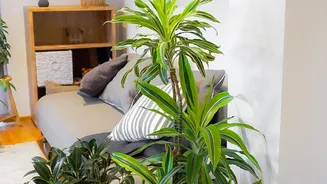
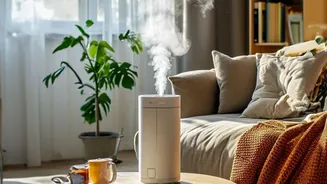
So, if they aren't miracle air purifiers, should you get rid of your green friends? Absolutely not. While the air-cleaning effect is negligible in a normal room, houseplants offer numerous other proven benefits. They are known to have psychological benefits, with studies linking their presence to reduced stress, improved mood, and increased attention. The act of caring for plants can be a meditative and rewarding routine. They add beauty, life, and a connection to nature—an effect known as biophilia—to our indoor spaces. Plants also release a small amount of moisture through transpiration, which can slightly increase humidity in dry, heated homes. These are wonderful reasons to fill your home with greenery, even if they aren't scrubbing VOCs from the air.
How to Really Clean Your Air
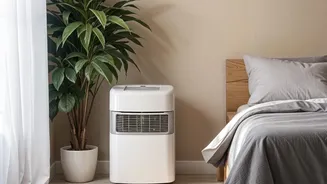
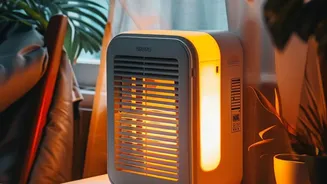
If you're genuinely concerned about indoor air quality, there are far more effective strategies than buying a few more pothos. The most effective approach, according to the U.S. Environmental Protection Agency, is source control. This means reducing or eliminating pollutants at their origin. Avoid harsh chemical cleaning products, limit the use of air fresheners, and ensure gas stoves are well-ventilated. The second key strategy is ventilation. Simply opening your windows for a few minutes each day allows fresh outdoor air to dilute and remove indoor pollutants. Using exhaust fans in kitchens and bathrooms is also crucial. For those with significant concerns, or who live in areas with poor outdoor air quality, a mechanical air purifier with a HEPA filter is a scientifically proven way to capture and remove airborne particles and improve the air you breathe at home.