



Not Just a Fashion Statement, but a Cultural Shift
This trend is more than just a fleeting aesthetic; it's a powerful expression of identity for India's Gen Z. Raised on a steady diet of global pop culture via Instagram and international media, they possess a unique cultural confidence. They aren't choosing
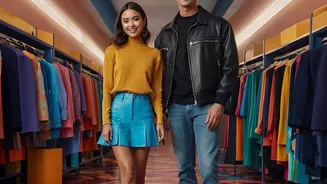
between a saree and a pair of jeans; they're asking, "Why not both?" This Indo-Western fusion reflects a generation that is deeply connected to its roots but refuses to be constrained by rigid sartorial rules of the past. For them, clothing is less about conforming to expectations for a specific occasion—like a wedding or festival—and more about everyday self-expression. It's a visual declaration of a hybrid identity that is proudly Indian and unapologetically global.
The Anatomy of the New Ethnic Look
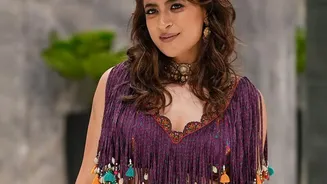
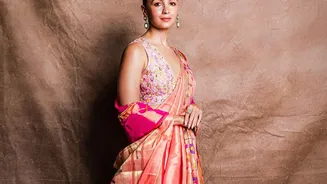
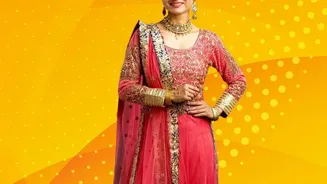
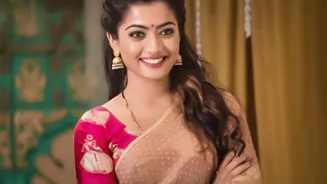
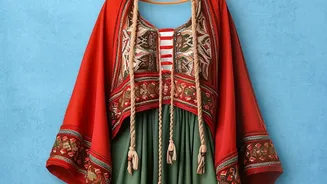
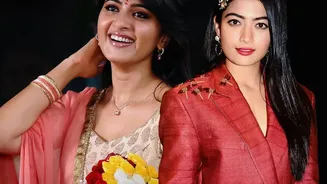
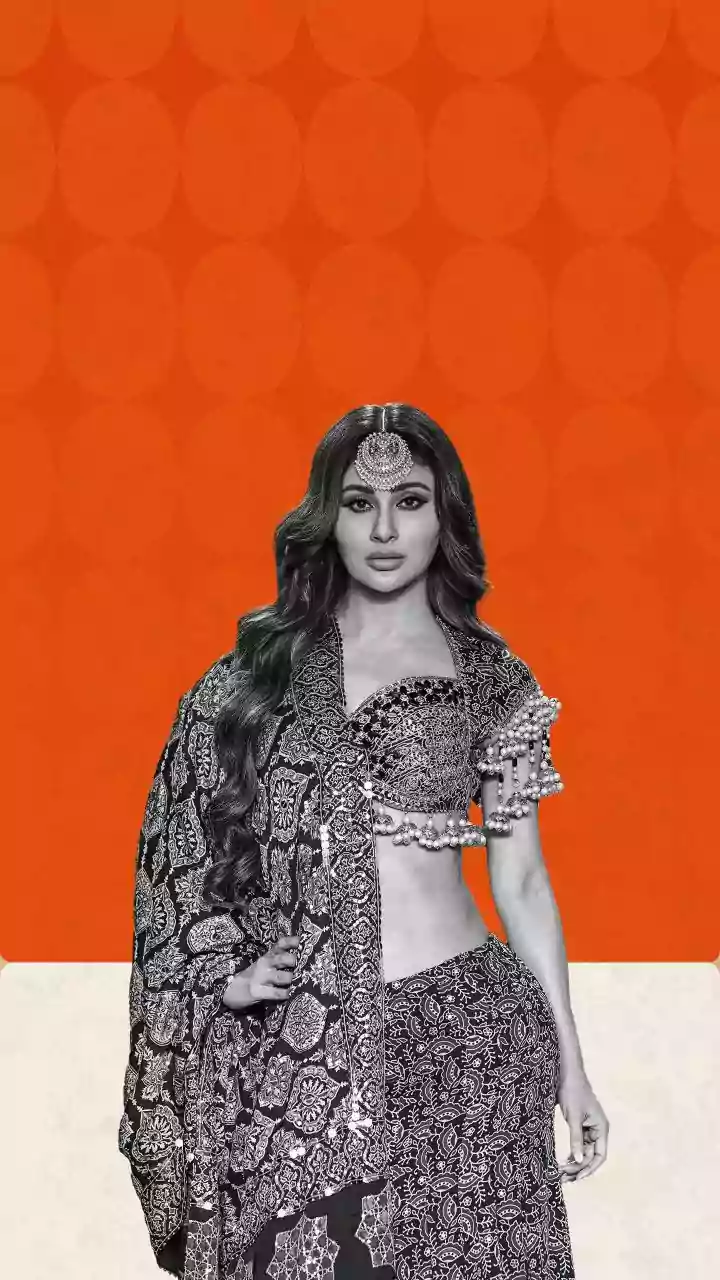
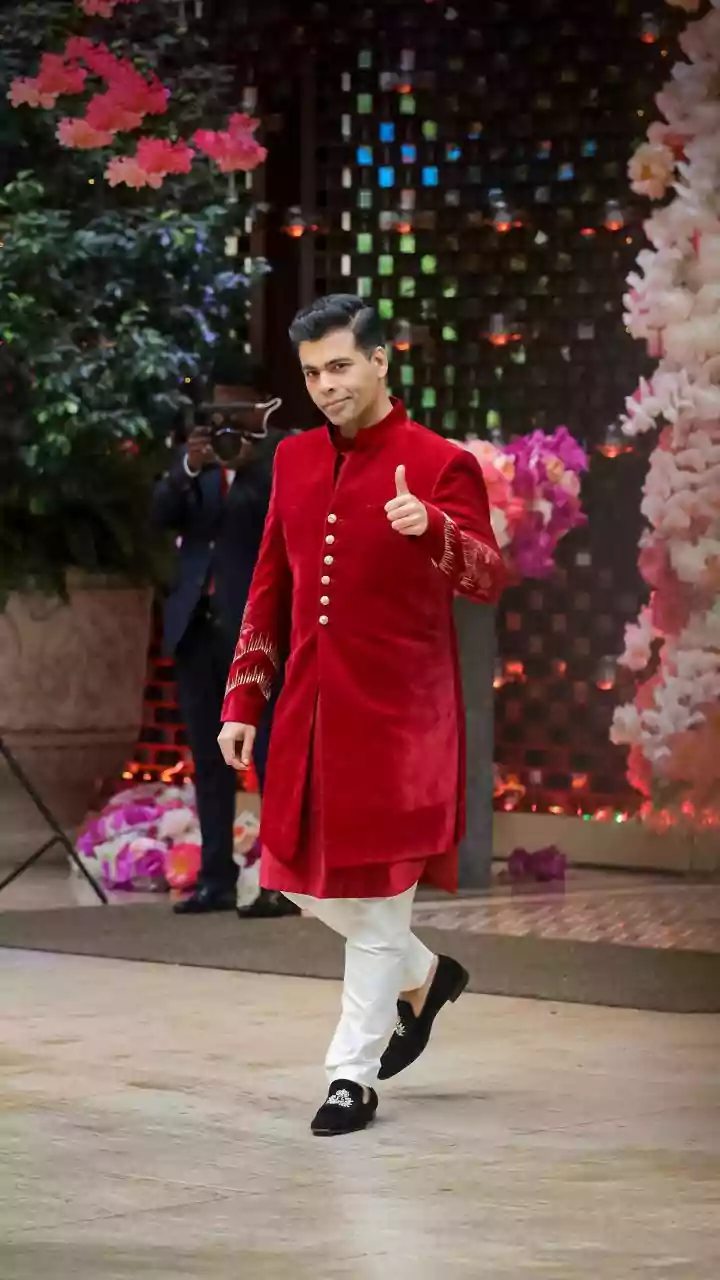
So, what does this remix look like in practice? It’s all about creative and often surprising combinations. Think of a traditional handloom saree draped over a simple t-shirt or paired with a tailored blazer. Intricately embroidered lehenga skirts are being worn not with matching cholis, but with casual crop tops, crisp white shirts, or even denim jackets. The humble kurta is now frequently styled with ripped jeans, cargo pants, or sneakers for a campus-ready look. It’s a move away from perfectly coordinated sets toward a more eclectic, personalized approach. This style, sometimes called 'chatpata dressing', embraces contrast and a 'messy-glam' vibe, layering heritage textiles with modern, even Y2K-era, silhouettes.
Individuality, Instagram, and Practicality
Several forces are driving this evolution. Social media is a huge catalyst, with Indian fashion influencers showcasing innovative ways to style traditional garments for their millions of followers. This has democratized fashion, moving inspiration beyond Bollywood and glossy magazines to relatable creators. There's also a growing appreciation for sustainability and artisanship. Young consumers are showing renewed interest in handloom textiles and heirloom pieces, giving them a modern spin by upcycling old sarees into contemporary dresses or skirts. Beyond aesthetics, there is a strong element of practicality. This fusion makes ethnic wear more versatile and comfortable for daily life, breaking it out of the 'special occasion only' box and making it suitable for everything from a coffee run to a day at the office.
The Market Responds in Style
The fashion industry has been quick to embrace this consumer-led movement. A growing number of Indian brands are catering specifically to this Gen Z-driven demand for fusion wear. Designers are experimenting with silhouettes, offering pre-draped sarees, lehengas paired with jacket-style tops, and co-ord sets that feature traditional prints on modern cuts like jumpsuits and blazers. The focus has shifted to the cut and fit of the garment, with younger buyers prioritizing body-contouring and versatile shapes over mere embellishment. This has breathed new life into the ethnic wear market, which is projected to grow significantly as it adapts to the tastes of this dynamic new generation of shoppers.