




The Once-in-a-Dozens-Years Bloom
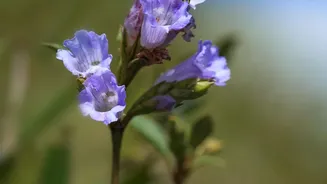
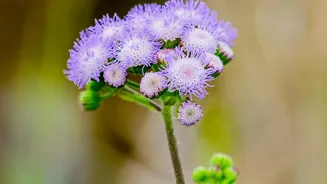
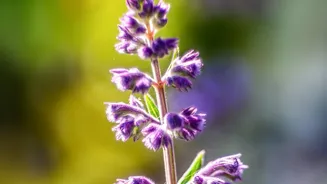
The star of this recurring spectacle is Strobilanthes kunthiana, a shrub endemic to the shola forests of the Western Ghats. Known locally as Neelakurinji, which translates to 'blue flower', it has a unique life cycle: it grows for 12 years, flowers gregariously,
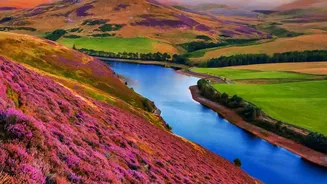
and then dies after seeding. This mass flowering, or 'masting', is a survival strategy, ensuring that enough seeds are produced to withstand predators and continue the generation. This predictable, yet rare, event has been documented for nearly two centuries, with the name of the Nilgiris—or 'Blue Mountains'—itself believed to be inspired by the stunning floral carpet. While the 12-year cycle is the most famous, the Strobilanthes genus has over 40 species in Kerala alone, with varying bloom cycles, creating smaller, more frequent flowering events in the region.
A Spectacle for Millions
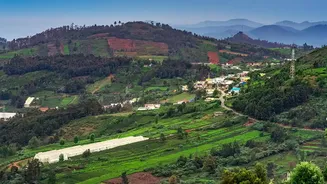
When the main Neelakurinji bloom occurs, typically between August and October, it becomes a major tourist event. During the last major bloom in 2018, an estimated one million people flocked to Munnar and the surrounding areas in Kerala and Tamil Nadu to witness the phenomenon. This influx provides a significant, if temporary, boost to the local economy, benefiting hotels, tour operators, and local businesses who cater to the surge of nature lovers, photographers, and curious travellers. The visual splendour of hillsides awash in blue becomes a viral sensation on social media, further amplifying its fame and attracting even more visitors. For many, seeing the bloom is a once-in-a-lifetime pilgrimage to witness one of nature’s most magnificent displays.
The Footprint of Admiration
Unfortunately, this immense popularity comes at a steep environmental cost. The sheer volume of visitors creates immense pressure on the fragile shola grassland ecosystem. Unregulated tourism leads to the trampling of the delicate plants and seedlings, which jeopardises future blooms. Vehicle traffic clogs the narrow mountain roads, causing significant air and noise pollution that disturbs wildlife. Perhaps the most visible impact is the accumulation of plastic waste and other garbage left behind by tourists, polluting the pristine landscape and water sources. The habitat for Neelakurinji, already threatened by the spread of invasive species like eucalyptus and the conversion of grasslands for plantations, is further fragmented and degraded by this periodic, high-impact tourism.
Guardians of the Blue Mountains
Recognizing these permanent threats to a seasonal marvel, conservation efforts are underway. The plant has been classified as a vulnerable species, highlighting the urgency for its protection. Authorities have established protected areas like the Kurinjimala Sanctuary in Kerala, specifically to conserve the core habitat of the Neelakurinji. During blooming seasons, officials attempt to regulate tourist numbers, manage traffic, and restrict access to highly sensitive areas. Conservation groups and volunteers organize campaigns to raise awareness, conduct clean-up drives, and advocate for sustainable tourism practices. The National Green Tribunal has also taken notice, pushing for a concrete action plan that includes habitat restoration, scientific fire management, and the control of invasive species to protect the flower's ecosystem. These actions represent a crucial shift from simply promoting an attraction to actively managing its survival.