





The Natural Rhythm of Breath and Movement
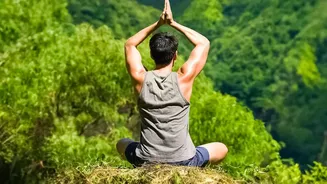
At its core, mindful breathing while hiking is about synchronising your breath with your steps. This isn't a race or a strenuous workout; it’s about finding a comfortable, natural rhythm. The simple act of paying attention to your inhales and exhales
as you walk anchors you in the present moment, turning your focus away from a busy mind and toward the physical sensations of your body and the environment around you. This practice combines gentle physical exercise with a meditative state, enhancing the mental benefits of both activities. Research and mindfulness teachings highlight that this synchronisation can activate the body's relaxation response, even during light physical exertion.
How to Practice on Your Next Walk
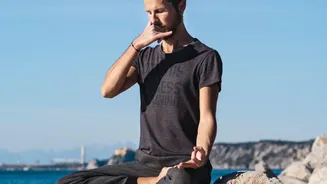
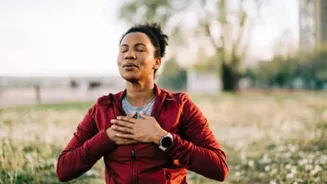
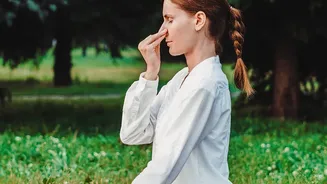
Getting started is simple and doesn't require any special equipment. On your next easy hike or walk, begin by finding a comfortable pace. Start by simply noticing your breath without trying to change it. Then, you can try a rhythmic technique. A common starting point is to inhale for two or three steps, and then exhale for the same number of steps. The key is not to force it; your lungs will naturally find a comfortable cadence. Another effective method is diaphragmatic or "belly" breathing. Focus on inhaling deeply so that your belly expands, and then exhaling fully as it contracts. This technique increases oxygen intake and promotes a calmer state. Nasal breathing is also highly recommended as it helps warm and filter the air while encouraging a more relaxed breathing pattern.
The Wellness Benefits You Can Expect
Practicing mindful breathing on a hike offers a host of wellness benefits. On a physical level, deep, controlled breathing improves oxygen efficiency, which can enhance cardiovascular health and endurance over time. Mentally, the practice is a powerful tool for reducing stress and anxiety. By focusing on the rhythm of breath and steps, you can calm your nervous system, leading to greater mental clarity and focus. This state of mindfulness helps you detach from worries about the past or future and simply enjoy the present moment. Many people report a significant boost in mood and emotional stability, as deep breathing can trigger the release of endorphins, the body's natural mood enhancers.
A Mindfulness Tool, Not a Medical Treatment
It is crucial to understand the distinction between using slow breathing as a wellness tool and viewing it as a medical treatment. While the benefits for stress reduction, focus, and mood are well-documented, it is not a cure for clinical conditions. Think of it as excellent mental hygiene—a practice that supports overall well-being, much like healthy eating supports physical health. Controlled breathing can be a powerful complementary practice and is often recommended by therapists for managing symptoms of anxiety or stress. However, it cannot replace professional medical care for diagnosed conditions like severe depression, anxiety disorders, or serious respiratory issues. If you have underlying health conditions, it's always wise to consult a healthcare professional before beginning any new wellness practice.