




1. Aromatic Vegetable Pulao
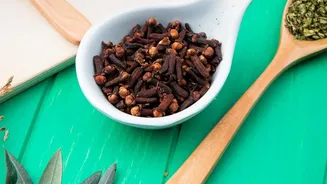
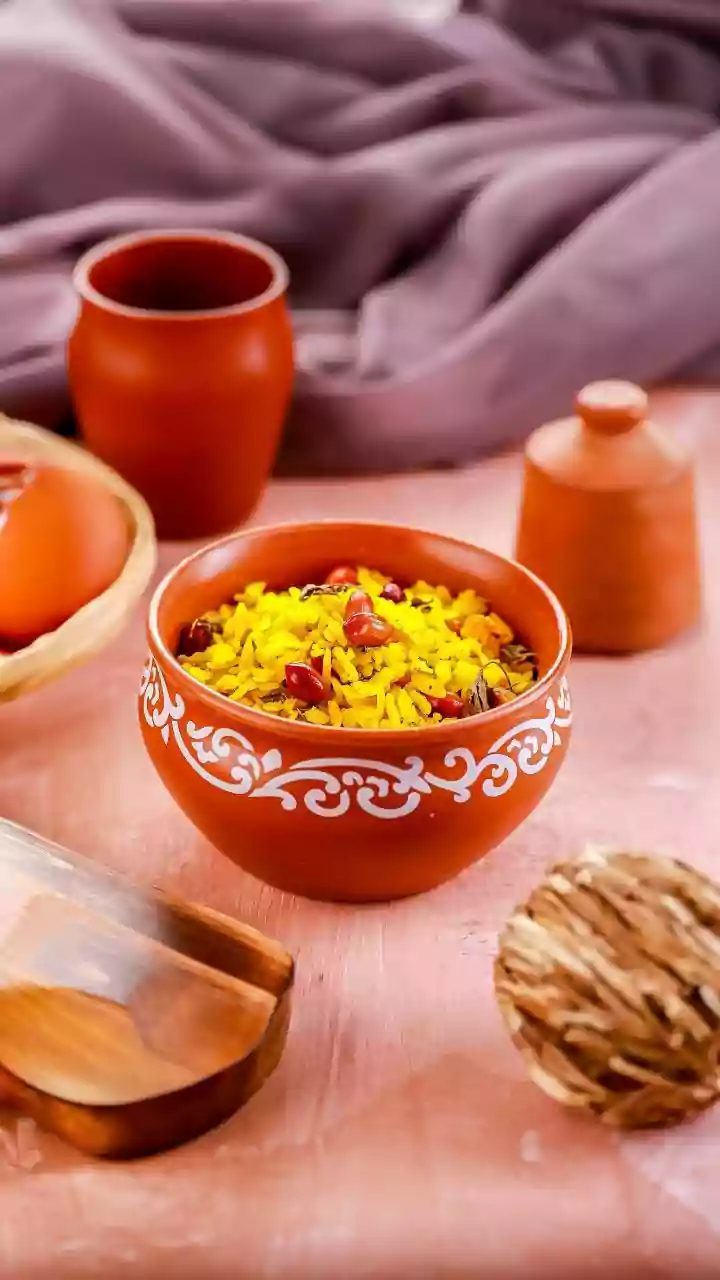
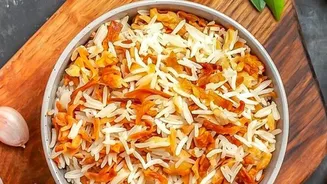
A fragrant vegetable pulao, or pilaf, is a cornerstone of Indian cuisine and a perfect showcase for whole spices. While simmering your basmati rice, adding just a few whole cloves along with other aromatics like cinnamon sticks and green cardamom pods
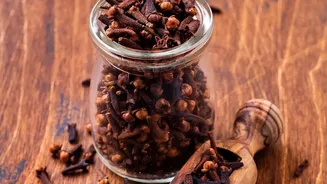
infuses the grains with an incredible depth of flavour. The cloves release their warm, slightly sweet and peppery notes slowly, perfuming the entire dish without overwhelming it. The result is a rice dish that's anything but a boring side; it's a flavourful foundation that pairs beautifully with any curry or stands deliciously on its own. Just remember to either pick the whole cloves out before serving or warn your guests—biting into one directly can be intense.
2. Rich and Hearty Chana Masala
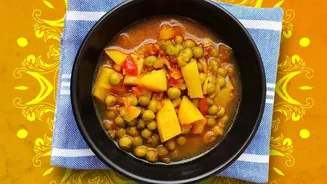
No truly flavourful Chana Masala is complete without the contribution of whole cloves. This beloved chickpea curry gets its signature robust taste from a blend of spices, known as garam masala, where cloves play a crucial role. When making the base for the curry, whole cloves are often toasted in hot oil or ghee along with other spices like bay leaves, cinnamon, and cumin seeds. This 'tadka' or tempering process blooms the spices, releasing their essential oils and creating a complex, aromatic foundation. The clove adds a specific warmth and pungency that cuts through the richness of the tomatoes and creaminess of the chickpeas, providing a layer of flavour that is essential to the dish's comforting and bold character.
3. Clove-Spiced Lentil Soup
A simple lentil soup can be elevated from basic comfort food to something far more memorable with the clever addition of cloves. Whether you're making a French-style lentil soup or an Indian dal, cloves provide a background warmth that deepens the savoury flavours. One classic French technique involves studding a whole onion with cloves and letting it simmer in the soup, gently releasing its aroma throughout the cooking process. For a bolder take inspired by Indian cooking, whole cloves can be added to the pot with the lentils and other aromatics like ginger and turmeric. The spice’s subtle sweetness and peppery notes complement the earthiness of the lentils, creating a nourishing soup that is both warming and complex.
4. Warm Roasted Root Vegetables
Roasting vegetables like carrots, sweet potatoes, and parsnips brings out their natural sweetness through caramelisation. Adding a hint of spice can take them to the next level, and ground clove is a perfect, if unexpected, candidate. Its inherent sweetness pairs wonderfully with these earthy vegetables. A very small pinch of ground clove, tossed with the vegetables, olive oil, salt, and other complementary herbs like thyme or rosemary before roasting, adds a gentle, warming background note that feels distinctly autumnal and sophisticated. This works particularly well for vegetables like beetroot, pumpkin, and butternut squash, enhancing their natural flavour profiles and adding a layer of aromatic complexity that is both subtle and bold.
5. Spiced Apple or Pear Chutney
Moving beyond main courses, cloves are a classic ingredient in fruit preserves and chutneys for a reason. Making a simple spiced apple or pear compote or chutney is an excellent way to harness the power of cloves. By simmering chopped apples or pears with a few whole cloves, a cinnamon stick, a splash of vinegar, and a little sugar, you can create a versatile condiment that sings with flavour. The cloves infuse the fruit with their signature warmth, balancing the sweetness and tartness to create a condiment that is perfect with cheese, alongside roasted vegetables, or even as a topping for your morning oatmeal. It’s a simple recipe that showcases how well clove bridges the gap between sweet and savoury.