





Anatomy of a Perfect Storm
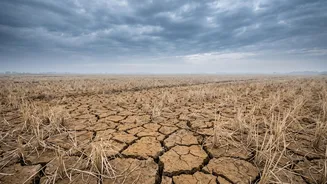
The story of 2026's rice price surge is one of multiple, overlapping crises. A formidable El Niño weather pattern is a primary culprit, bringing drought and erratic rainfall to key rice-growing regions across South and Southeast Asia. Projections indicate
a significant drop in global production, with some analysts forecasting a decline of millions of tonnes. This climate shock is compounded by geopolitical turmoil. Conflicts in the Middle East have driven up global energy prices, which in turn increases the cost of fuel for farm machinery and transport. Crucially, it has also inflated the price of fertilizers, a critical input for rice yields. Farmers across Asia are now facing the difficult choice of absorbing these higher costs or reducing fertilizer use, which could further depress future harvests. This combination of climate and conflict has created a deeply fragile supply situation.
From Market Stalls to Street Protests
When the cost of a daily meal skyrockets, the consequences extend far beyond the family dinner table. For the world's most vulnerable populations, who may spend a huge portion of their income on food, sudden price hikes can be devastating. This economic pain is a well-known catalyst for social unrest. The fear of shortages often leads to panic buying and hoarding, both by households and governments, which only exacerbates the price spikes and can create a vicious cycle. Historically, sharp increases in the cost of staple foods have triggered protests and riots in multiple countries. With hundreds of millions already facing food insecurity, the current price pressures are putting immense strain on social fabrics, particularly in urban areas of import-dependent nations in Asia and Africa.
The Geopolitics of a Grain
In a tight market, rice becomes a strategic asset. Governments of major exporting nations face a difficult balancing act: do they continue to sell abroad or do they restrict exports to protect their own citizens from rising prices? India, which accounts for over 40% of global rice exports, has already used export bans on certain rice varieties in the recent past to control domestic inflation. Such moves, while logical from a national perspective, can send shockwaves through the global market, driving prices even higher for countries that rely on imports. Nations like the Philippines and Malaysia have reportedly been trying to build up their stockpiles amid concerns about supply, further intensifying competition for available grain. This dynamic, often called food nationalism, can turn a supply crunch into a full-blown international crisis, straining diplomatic relations and leaving poorer nations dangerously exposed.
India's Cautious Position of Power
India's role in this unfolding story is pivotal. As the world's largest exporter, its policy decisions have an outsized impact. However, the country is also home to the world's largest population, and ensuring domestic food security is a non-negotiable priority for the government. Despite concerns over a below-average monsoon this year, India entered 2026 with massive buffer stocks of food grains, far exceeding its minimum requirements. This provides a significant cushion against domestic shortages and price volatility. Yet, the government is also using rice for other purposes, such as ethanol production, which adds another layer of demand. While India's current surplus allows it to ensure its own needs are met, any decision to either release or restrict exports will be felt keenly around the globe, making its granaries a key factor in global stability.