

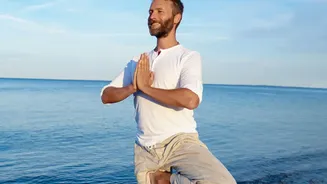
In a world filled with endless distractions, the quest for focus is more relevant than ever. Two ancient disciplines, yoga and archery, offer surprisingly similar paths to mental clarity, though their methods appear worlds apart.
Yoga: Finding Stillness Within
Yoga cultivates concentration
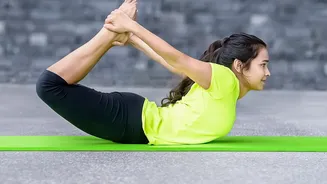
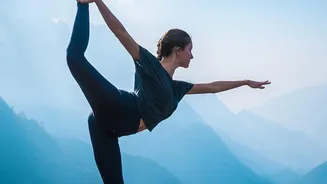
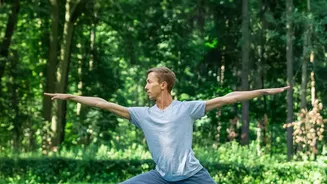
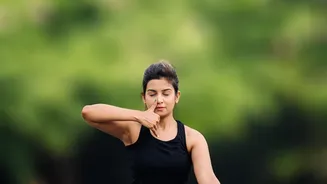
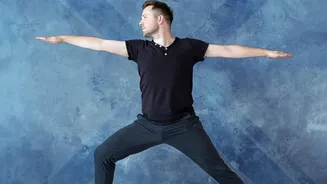
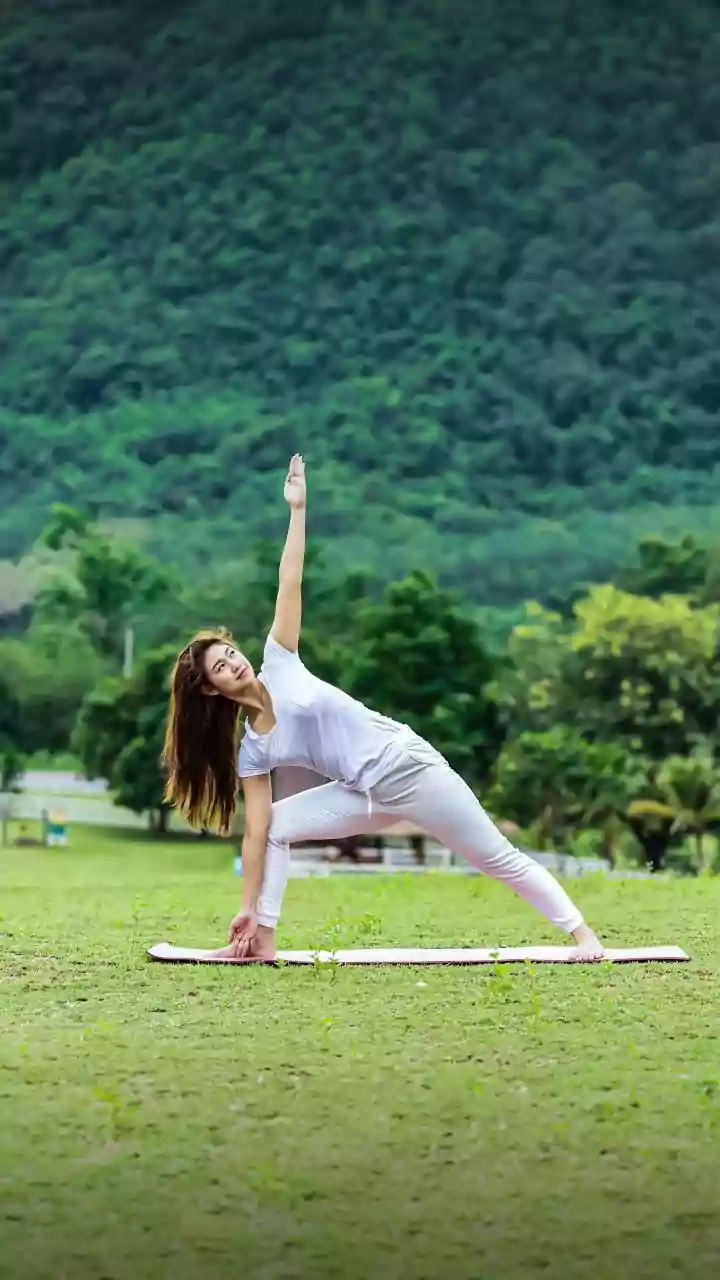
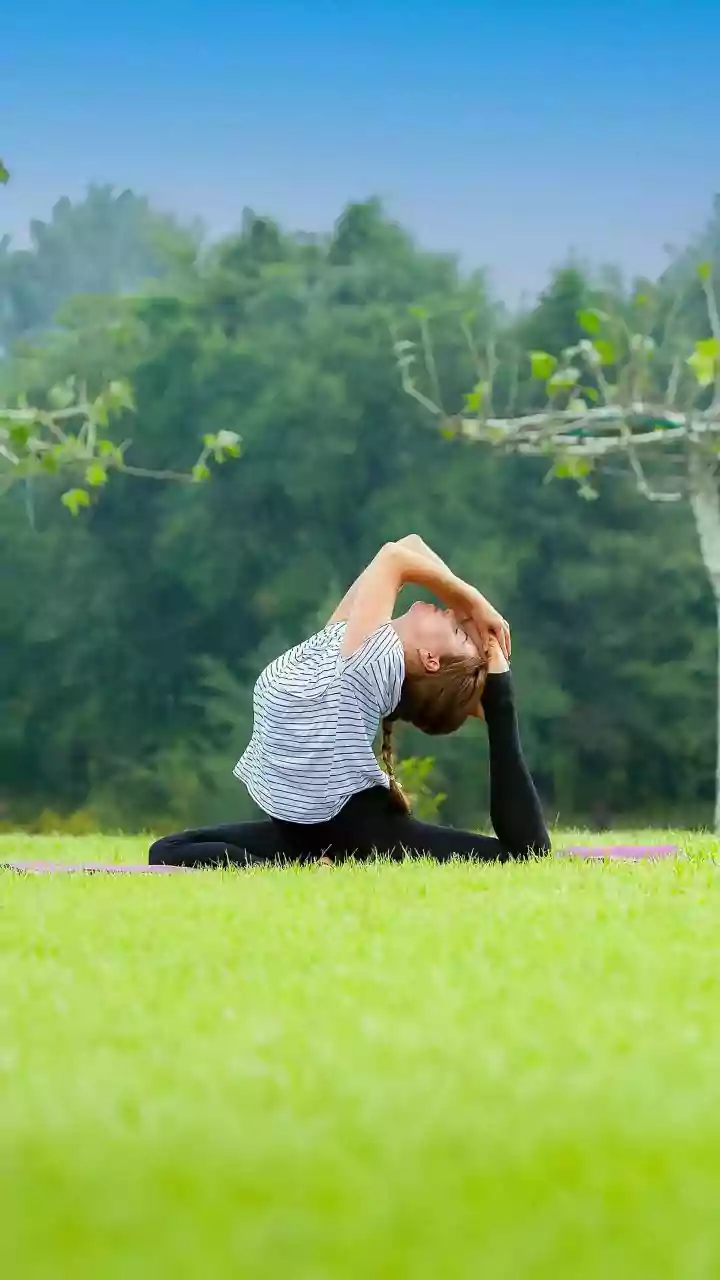
by turning the focus inward. Through a combination of physical postures (asanas), controlled breathing (pranayama), and a focused gaze (drishti), practitioners learn to quiet the constant chatter of the mind. Poses like Tree Pose or Eagle Pose challenge physical balance, which in turn demands mental stability. This forces the mind to remain anchored in the present moment. A key technique is 'drishti', where the practitioner fixes their gaze on a single, unmoving point. This simple act does more than aid balance; it directs the flow of attention, reducing external distractions and guiding the practice toward a state of moving meditation. By synchronizing breath with movement, yoga calms the nervous system, clears mental clutter, and enhances the ability to sustain focus over time.
Archery: The Precision of External Focus
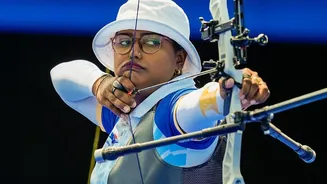
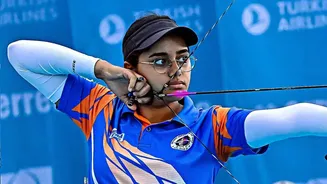
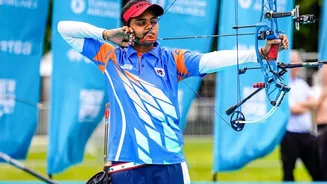
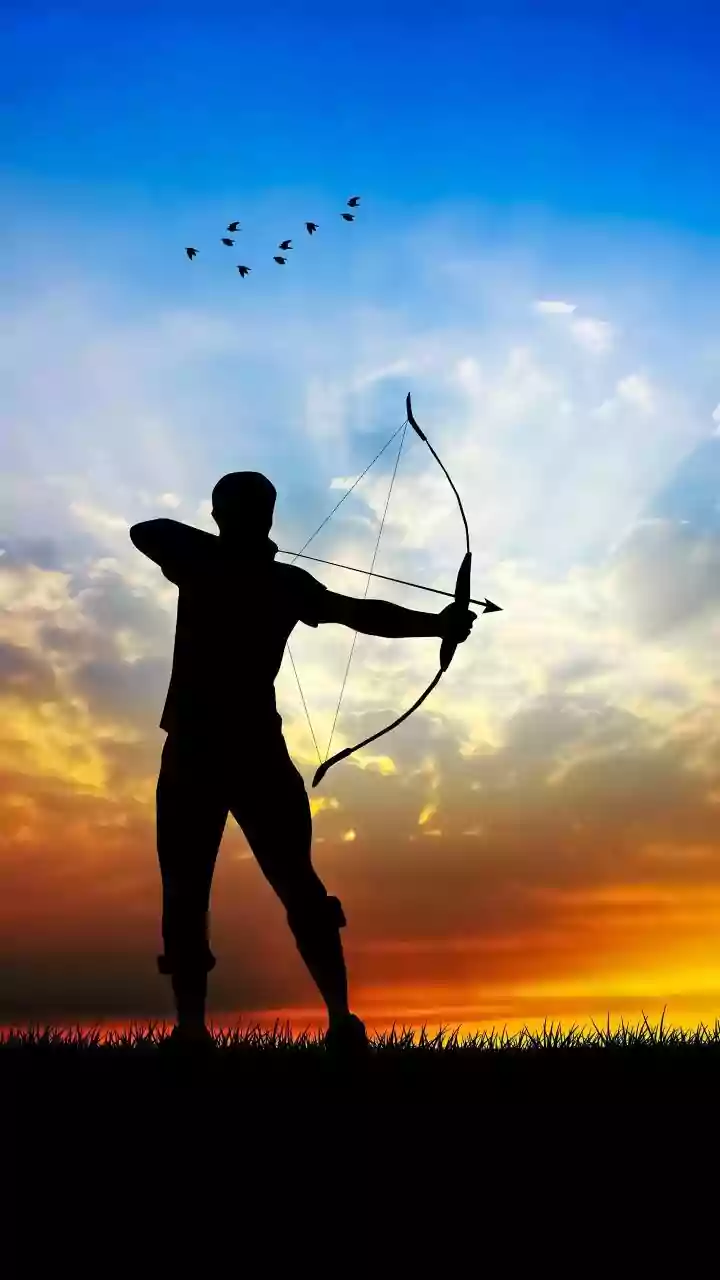
Archery, in contrast, hones concentration through an intense external focus: the target. The entire sport is an exercise in blocking out distractions to perform a single, precise action. Archers follow a highly structured and repetitive sequence known as the shot process—nocking the arrow, drawing the bow, aiming, and releasing. This rhythmic routine is often described as a form of 'active meditation', where the mind must be fully present to coordinate posture, breathing, and muscle control. The need for absolute concentration to hit a distant target trains the brain to ignore both internal anxieties and external noise. Over time, this intense focus builds mental discipline and resilience that translates far beyond the archery range.
Common Ground: The State of Flow
Despite their different focal points—one internal, one external—both yoga and archery lead to a similar mental state known as 'flow'. Coined by psychologist Mihaly Csikszentmihalyi, flow is a state of being completely absorbed in an activity, where time seems to warp, self-consciousness fades, and the action feels effortless. In yoga, this happens when the practitioner becomes one with the rhythm of breath and movement. In archery, it's the moment the archer feels a perfect, intuitive connection to the shot, certain of its path even before release. Both disciplines use breath control as a critical anchor. Just as a yogi uses breath to stabilize a pose, an archer uses controlled exhalation to steady their aim, calming the body and mind for peak performance.
Different Methods, Shared Goal
The fundamental difference lies in where the attention is placed. Yoga is a practice of interoception, building awareness of the body's internal sensations, from the stretch of a muscle to the rhythm of the heart. Its goal is to unite mind and body in a state of self-contained awareness. Archery is a practice of exteroception, demanding complete focus on an object outside oneself. The goal is to execute a perfect action directed at that external point. Yet, both practices ultimately silence the same enemy: the distracted, wandering mind. Whether by holding a posture or holding an aim, the practitioner learns to be fully present. In Japan, the practice of Kyudo, or 'The Way of the Bow', is considered a form of Zen meditation, where the process and mental state are more important than hitting the bullseye.