




The Science of Paneer Spoilage
Before diving into storage methods, it’s crucial to understand why paneer is so perishable. As a fresh, unaged cheese, paneer has a high moisture and protein content. This combination makes it an ideal breeding ground for bacteria. The moment it's exposed
to air and warmer temperatures, two things happen: the surface begins to dry out, and harmful microbes like E. coli and Salmonella can start to multiply rapidly. This is why you can't leave paneer on the kitchen counter for more than a couple of hours; proper refrigeration isn't just a suggestion, it's a necessity.
The Homemade Paneer Dilemma
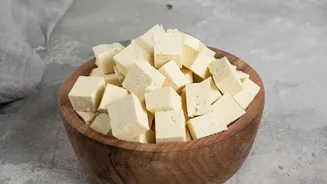
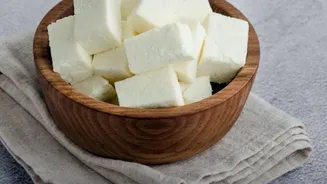
Homemade paneer is celebrated for its unparalleled softness and freshness, but these qualities also make it incredibly delicate. Lacking any preservatives or industrial packaging, its shelf life is significantly shorter. Even when refrigerated, homemade paneer should ideally be consumed within two to three days. Its high moisture level and the potential for contamination during the handling process mean that spoilage can set in quickly. The storage method you choose is therefore critical from the moment it's made.
Handling Packaged Paneer
Store-bought paneer often comes vacuum-packed, which extends its shelf life significantly as long as the package remains unopened. This process, combined with the use of pasteurised milk, provides a protective barrier against immediate spoilage. However, the clock starts ticking the second you break that seal. Once opened, packaged paneer becomes just as perishable as its homemade counterpart and should be treated with the same urgency. Always check the 'use-by' date, but once opened, plan to use it within a few days, regardless of what the date says.
The Best Refrigeration Method
The most effective way to store both homemade and opened packaged paneer is surprisingly simple: submerge it in water. Place the paneer block in an airtight container and fill it with enough clean, cold water to cover it completely. Seal the container and store it in the coldest part of your fridge. The single most important step is to change the water every single day. This daily change prevents bacterial buildup and keeps the paneer from absorbing any off-flavours, maintaining its soft, spongy texture for up to a week. For short-term storage (one day), you can also wrap the paneer tightly in a damp muslin cloth before refrigerating.
Signs Your Paneer Has Gone Bad
Trust your senses to know when paneer is no longer safe to eat. The first giveaway is often the smell; if it has a sour, fermented, or unpleasant odour, discard it. Another clear sign is the texture. Fresh paneer is firm yet soft, while spoiled paneer will feel slimy or sticky to the touch. Visually, look for any discolouration. A yellowish hue or the appearance of any green, black, or brown spots is a definite sign of spoilage. When in doubt, the safest option is always to throw it out.
The Risks of Improper Storage
Eating spoiled paneer is not worth the risk. Because it's a high-moisture dairy product, it can harbour dangerous bacteria that cause foodborne illnesses. Symptoms can range from mild indigestion, stomach cramps, and nausea to more severe cases of food poisoning. Studies have found various pathogens in poorly handled paneer samples, highlighting the public health concern. Even cooking spoiled paneer may not make it safe, as some bacteria produce heat-resistant toxins that can remain in the food.