



A Sweet Stop on the Highway
Maigalganj, a seemingly ordinary village in Uttar Pradesh's Lakhimpur Kheri district, has earned an extraordinary reputation. For travellers on what was formerly National Highway 24, it's a mandatory pit stop. The reason is a cluster of over two dozen
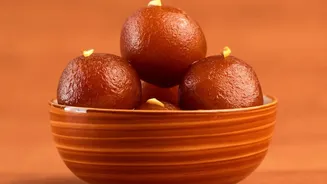
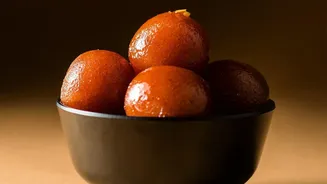
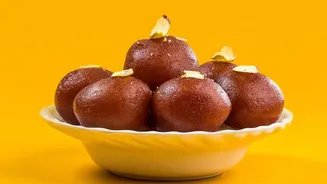
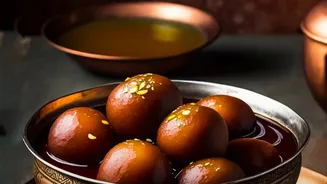
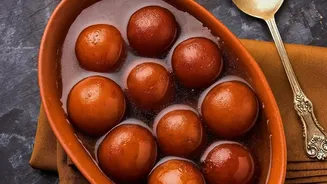
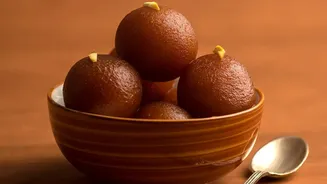
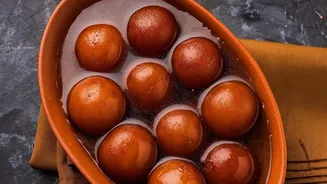
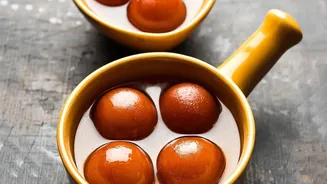
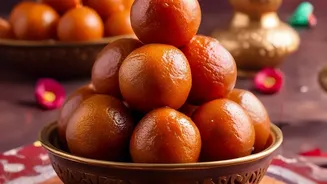
shops, many bearing similar names like 'Mashhoor Gulab Jamun Ki Dukan' (Famous Old Gulab Jamun Shop), all serving what many claim are the finest gulab jamuns in the region. Served hot in traditional earthenware bowls, these sweets have become more than just a dessert; they are a travel ritual, a moment of pause and indulgence on a long journey, and the very identity of the village itself. Without them, Maigalganj might just be another quiet spot on the map.
The Origin Story of 1941
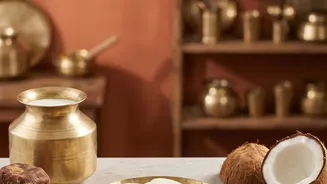
The tradition dates back to the pre-independence era. In 1941, a vendor, believed to be named Dhanpal, set up a small shop. At the time, the area was undeveloped, and a proper road had not even been built yet. Despite the isolation, his gulab jamuns, made with pure khoya and served in 'matkas' (earthen pots), quickly became popular with the few travellers who passed through. The focus on quality and a consistent recipe laid the foundation for a legacy. As word spread, other sweet makers followed suit, setting up their own stalls. By the 1970s, the entire stretch of road had become synonymous with the dessert, earning the nickname 'Gulab Jamun Street' and attracting everyone from bus passengers to politicians.
What Makes Maigalganj's Gulab Jamun Special?
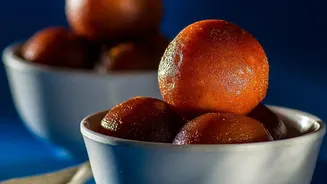
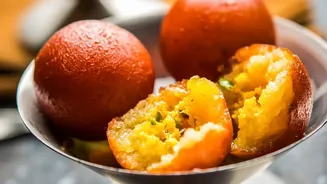
The magic of the Maigalganj gulab jamun lies in its traditional preparation. The core ingredient is pure khoya, or milk solids, which gives the sweet its rich, melt-in-the-mouth texture. This khoya is mixed with a small amount of flour and kneaded into a soft dough. These balls are then fried slowly over a low flame, a crucial step that ensures they cook evenly from the inside out, before being browned at a higher heat. The final, and perhaps most important, step is soaking them in a sugar syrup of 'ek-taar' or 'one-string' consistency. This perfect balance ensures the jamuns are sweet but not cloying, and remain soft and spongy. The dedication to this meticulous process, passed down through generations, is what sets them apart.
A Legacy Carried Forward
Today, the original shop, Dhanpal Misthan Bhandar, is managed by the founder's greatndgrandsons, who continue the family tradition. Alongside them, dozens of other families, some of whom started their own shops as early as 1945, contribute to the village's sweetmaking fame. While some shops have expanded their menus to include other sweets and savory snacks, the gulab jamun remains the undisputed star. The street is a testament to friendly competition, with shopkeepers maintaining that there is enough business for everyone. This shared identity has not only sustained the local economy but has also put Maigalganj firmly on India's culinary map, a place where a single sweet tells a story of heritage, flavour, and community.