







What the 2°C Threshold Represents
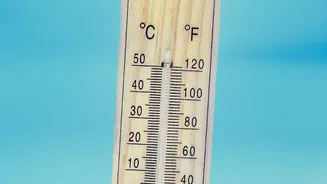
The 2 degrees Celsius figure isn't arbitrary; it's the upper limit for global warming established by the 2015 Paris Agreement to avert the most catastrophic and irreversible consequences of climate change. This target refers to limiting the increase in the planet's
average temperature to 2°C above pre-industrial levels (the average from 1850-1900). For decades, scientists have warned that warming beyond this point would dramatically increase risks, leading to extreme weather, severe ecosystem damage, and dangerous feedback loops that could accelerate warming even further. Crossing this line, even temporarily, is seen as venturing into uncharted and hazardous territory for human civilization.
Understanding the New Forecast
Recent analyses from climate modeling centres are pointing to a significant likelihood of temporarily breaching key temperature limits. While the specific 35-40% figure for a 2°C monthly breach is a stark indicator, it aligns with broader warnings from bodies like the World Meteorological Organization (WMO). A recent WMO update, for instance, stated it is now exceptionally unlikely, but no longer impossible, for a single year in the next five to exceed 2°C of warming. These probabilities are generated by complex climate models that simulate thousands of potential outcomes based on current greenhouse gas levels, ocean temperatures, and other atmospheric conditions. The growing chance of such a breach reflects the accelerating pace of warming, with recent years consistently breaking heat records.
A Month Is Not a Permanent Breach
It is crucial to distinguish between a single month or even a year exceeding the 2°C mark and a long-term breach of the Paris Agreement goal. Climate agreements refer to a sustained, multi-decade average. A monthly spike, while alarming, does not mean the war is lost. However, it serves as a powerful and undeniable signal that we are getting dangerously close to the long-term average tipping point. These temporary exceedances are like a fever spike in a patient; it's a critical symptom showing the underlying illness is getting worse and requires immediate, more aggressive intervention. Scientists view these short-term breaches as clear warnings that the window to stabilize the climate is closing rapidly.
Consequences for India
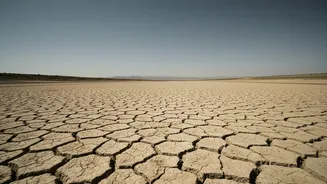
A warmer world has profound and immediate implications for India. A global temperature spike, even a temporary one, can supercharge weather systems. For India, this translates into more intense and erratic monsoon seasons. Studies project that at 2°C of warming, India will face a higher frequency of both extreme droughts and devastating floods. The country's life-giving monsoon could become dangerously unpredictable. Furthermore, heatwaves are projected to become more frequent, longer-lasting, and deadlier, particularly across the Gangetic Plain and southern India. This poses a severe threat to public health, agriculture, and labour productivity. The Himalayan glaciers, a critical source for major rivers like the Ganges and Brahmaputra, would also retreat faster, threatening water security for hundreds of millions.
A Global Wake-Up Call
The increasing probability of hitting these milestones is a direct result of global greenhouse gas emissions continuing to rise. Even if the world limits long-term warming to 2°C, the risk of extreme outcomes, like severe droughts in agricultural breadbaskets, remains higher than previously thought. A temporary breach of the 2°C threshold would likely trigger a cascade of impacts, from accelerated sea-level rise to the collapse of sensitive ecosystems like coral reefs. A NASA study highlights that at 2°C, multiple climate hazards could strike simultaneously, such as heat and drought combining to create unprecedented wildfire risk. This new forecast is less a prediction and more a stark ultimatum from the climate system itself.