






The Art of Subtle Flavour
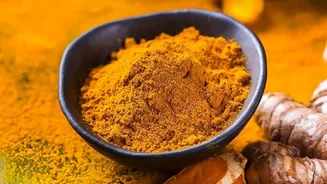
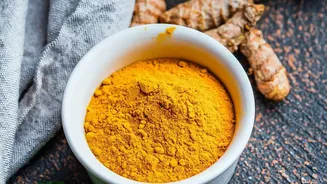
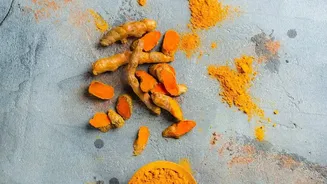
Turmeric is a powerhouse, known for its warm, earthy, and slightly peppery flavour. It's the backbone of countless masalas and curries, lending its deep golden hue and distinctive taste. However, when used with a lighter hand, turmeric reveals a different
personality. Instead of dominating a dish, it can provide a gentle warmth and a beautiful colour that makes food more appealing without announcing its presence too loudly. The key is understanding balance. In dishes where it isn't the star, a small pinch is often enough to elevate the other ingredients. Fresh turmeric root, which is milder than its dried powder counterpart, can also be grated into dishes for a gentler flavour. The goal is to treat it not just as a foundational spice, but as a finishing touch that adds complexity and visual appeal.
Golden Turmeric Rice
One of the easiest ways to appreciate turmeric's subtle side is by adding it to rice. Moving beyond elaborate biryanis and pulaos, a simple turmeric rice can be a delightful and visually stunning side dish. Simply adding a half teaspoon of turmeric powder to the water while cooking your regular basmati rice will transform it. The result is a pot of beautifully golden grains with a faintly earthy aroma that complements almost anything, from grilled chicken to a simple vegetable stir-fry or dal. Some recipes suggest lightly toasting the turmeric in oil or ghee with whole spices like cumin seeds or a bay leaf before adding the rice and water. This technique helps to bloom the spice, releasing its full aromatic potential without introducing any bitterness.
Vibrant Roasted Vegetables
Roasting vegetables brings out their natural sweetness, and a touch of turmeric can make them even more special. When tossed with vegetables like cauliflower, potatoes, carrots, or Brussels sprouts before they go into the oven, turmeric imparts a gorgeous golden crust and a mild, savoury depth. For a simple and effective preparation, whisk a teaspoon of turmeric powder with olive oil, salt, and black pepper, then toss with your cut vegetables until they are evenly coated. Roast at a high temperature (around 200-220°C) until the edges are crispy and the insides are tender. The turmeric doesn't overpower the vegetables; instead, it enhances their earthy notes and creates a dish that is as beautiful to look at as it is to eat.
Soothing Golden Milk (Haldi Doodh)
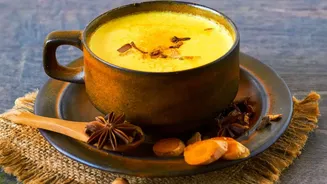
Golden milk, or haldi doodh, is a traditional comfort drink known for its wellness benefits. While it proudly features turmeric, a well-made version is a study in balance. The key is to ensure the turmeric doesn't taste medicinal or overly bitter. To achieve this, warm your choice of milk (dairy or plant-based) in a small saucepan over low heat. Whisk in about a quarter to a half teaspoon of turmeric powder, along with complementary spices like a pinch of cinnamon, a sliver of ginger, and a crack of black pepper, which aids curcumin absorption. Simmer gently for a few minutes without boiling, allowing the flavours to meld. Sweeten to taste with honey or maple syrup. The result is a creamy, soothing beverage where the turmeric provides a warm, golden base note, not a sharp, overpowering one.
A Hint of Sunshine in Soups and Drinks
Beyond traditional recipes, turmeric can add a subtle twist to everyday soups, smoothies, and even dressings. Adding a pinch of turmeric to a chicken or vegetable soup can give it a lovely golden colour and an extra layer of warmth, especially when paired with lemon and garlic. It works wonderfully in lentil soups, enhancing their earthy flavour without needing a full curry spice blend. In the morning, a small amount of turmeric can be added to a fruit smoothie for an antioxidant boost without significantly altering the taste, especially when blended with sweet fruits like mango or pineapple. You can even whisk it into a simple lemon and oil vinaigrette to give your salads a colourful and flavourful kick.