




The Global Star Meets the Desi Kitchen
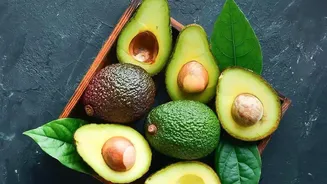
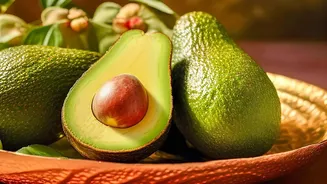
For years, the avocado was an exotic, often expensive, import found mostly in the gourmet section of city supermarkets. Known as 'butter fruit' in parts of South India, where it has been grown for some time, it remained a niche product. But a recent surge
in health consciousness, coupled with increased local cultivation in states like Tamil Nadu, Kerala, and Karnataka, has brought this creamy fruit to the forefront. Even Prime Minister Narendra Modi recently highlighted the rise of local avocado farming. As it becomes more accessible, Indian home cooks and chefs are doing what they do best: experimenting. They are looking past guacamole and finding ways to make the avocado speak a distinctly Indian language.
Beyond the Dip: A Savoury Transformation
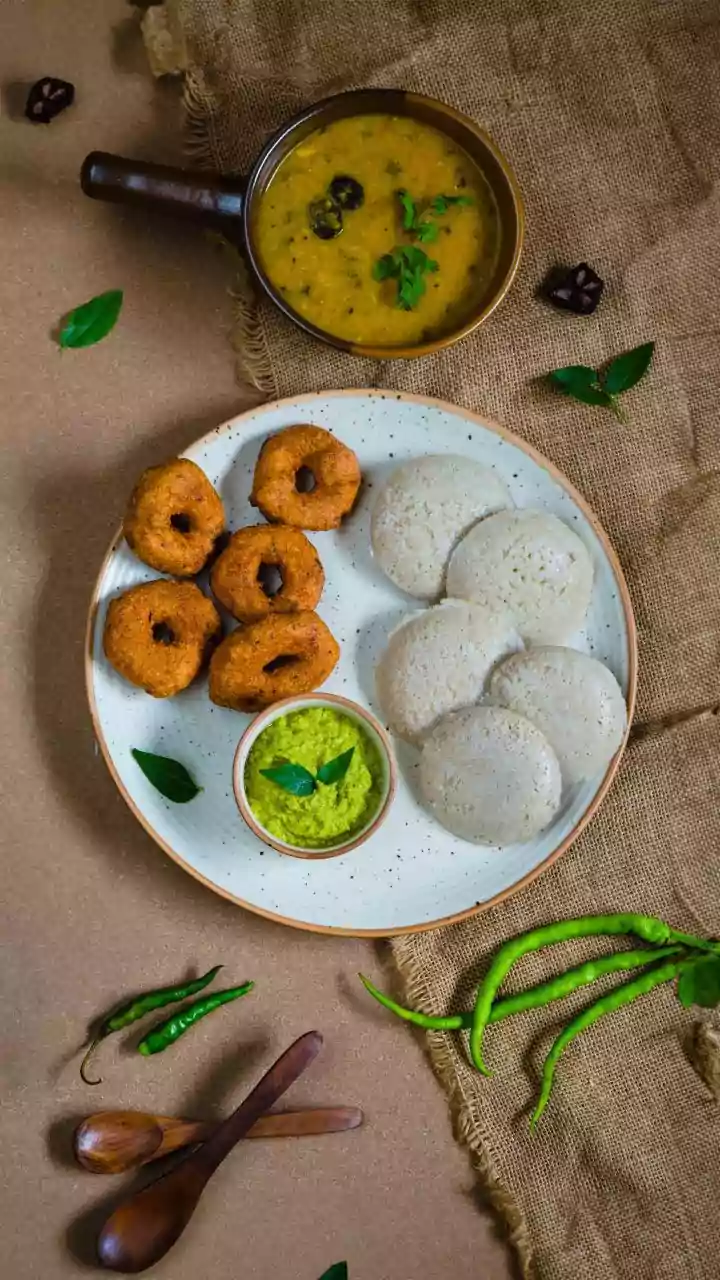
The most creative Indian applications of avocado cleverly substitute it for traditional fats. Its rich, buttery texture makes it an excellent replacement for ghee or oil in doughs. Mashed avocado kneaded into whole wheat flour creates incredibly soft, pliable rotis and parathas that stay fresh for hours, making them perfect for lunchboxes. Recipes often call for adding classic Indian spices like cumin, ajwain (carom seeds), and fresh coriander directly into the dough. Another popular innovation is avocado chutney. Blending avocado with staples like coriander, mint, green chillies, and lemon juice results in a creamy, vibrant condiment that pairs beautifully with dosas, idlis, and pakoras, offering a refreshing alternative to coconut or peanut-based chutneys.
A Creamy Twist on Classic Comforts
The experimentation doesn't stop with flatbreads and dips. The avocado’s creamy consistency is being used to add richness and body to a variety of traditional dishes. One surprising hit is the avocado lassi, where avocado is blended with yoghurt and a sweetener for a thick, nutritious smoothie. Some cooks are using it to create a cooling raita, seasoning mashed avocado and yoghurt with roasted cumin powder and mint. More adventurous chefs are even incorporating it into curries. An avocado-spinach paste can form the base for a rich, velvety curry, while some South Indian preparations add it to dishes like aviyal for a unique texture. It has also found its way into street food, with chefs suggesting tossing cubes of avocado into bhel puri or papri chaat for a soft counterpoint to the crunchy elements.
Making the Flavours Work
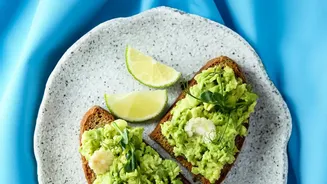
The key to successfully integrating avocado into Indian cuisine lies in understanding its flavour profile. On its own, avocado is mild and buttery. It needs bold partners to shine. Indian cuisine, with its mastery of spices, is perfectly equipped for this. The fruit pairs exceptionally well with the pungency of garlic, the heat of green chillies, the earthiness of cumin, and the freshness of coriander and mint. Acidity is also crucial. A generous squeeze of lemon or lime juice not only prevents the avocado from browning but also cuts through its richness, brightening the overall flavour of the dish. This balance is why it works so well in chaat, where tangy, spicy, and sweet elements come together.
A Fad or the Future of Fusion?
So, are these dishes merely a passing trend or a genuine evolution in Indian cooking? The answer seems to be the latter. Unlike some fleeting food fads, the avocado's integration feels natural. It doesn't seek to replace beloved ingredients but to enhance them, offering a healthier fat alternative and a new textural dimension. Its versatility allows it to be used in everything from breakfast to dinner, and its nutrient-dense profile aligns perfectly with modern dietary preferences. As local production grows and prices become more competitive, the avocado is shedding its 'exotic' tag and becoming a familiar ingredient. It represents the dynamic, ever-evolving nature of the Indian kitchen—a place where tradition is respected, but innovation is always welcome.