


1. Protein-Packed Quinoa Khichdi
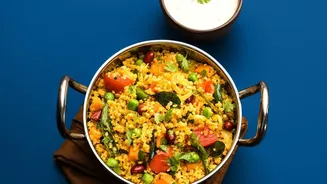
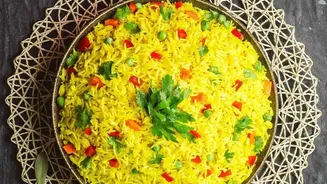
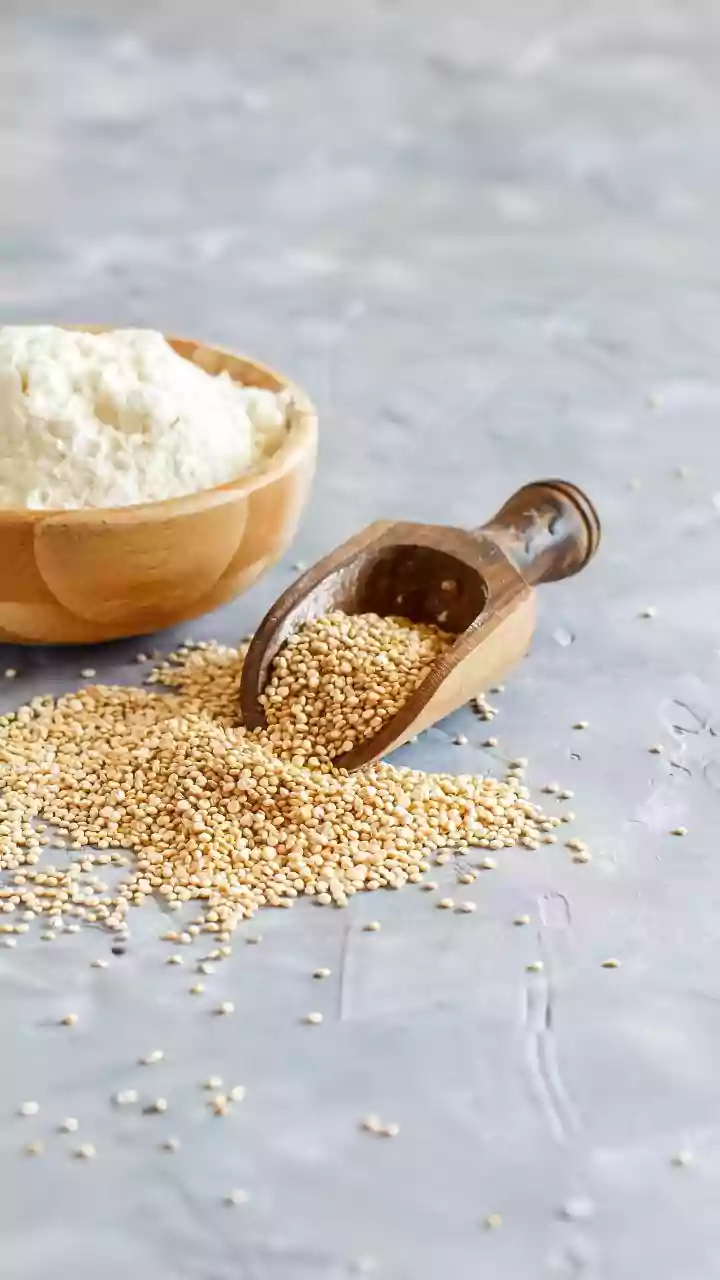
Swap out traditional rice for quinoa to create a khichdi that's exceptionally high in protein and naturally gluten-free. Quinoa, a complete protein containing all nine essential amino acids, lends a delightful, slightly nutty flavour and a fluffy texture
that beautifully absorbs the classic masala flavours. When cooked with moong dal, finely chopped vegetables like carrots and peas, and tempered with cumin, ginger, and turmeric, it transforms into a wholesome one-pot meal. This modern take on khichdi is perfect for a light yet satisfying lunch or dinner, offering sustained energy without the heaviness of traditional grains. A final squeeze of lemon juice brightens the earthy flavours, making it a truly refreshing and nourishing dish.
2. Hearty Bajra Khichdi
Embrace the wisdom of traditional Indian kitchens with bajra, or pearl millet. This ancient grain is a superfood celebrated for its warming properties, making it an ideal choice for cooler weather. A Rajasthani specialty, bajra khichdi is rich in iron, magnesium, and dietary fibre, which aids digestion and promotes a feeling of fullness. Its robust, earthy taste pairs wonderfully with the creaminess of moong dal. The preparation involves simmering the millet and dal with classic spices like cumin, asafoetida (hing), and ginger. The combination of bajra and dal creates a complete protein profile, making it a highly nutritious option for vegetarians. Serve it with a generous dollop of ghee to enhance its rustic flavour and comforting warmth.
3. Savoury Masala Oats Khichdi
Reimagine your breakfast staple in a savoury, comforting form. Rolled oats, known for their heart-healthy benefits and high fibre content, can be used to create a surprisingly creamy and quick-cooking khichdi. Unlike sweet oatmeal, this version is a flavourful masala dish, perfect for a speedy and nutritious meal any time of day. The process starts with a fragrant tadka of cumin seeds, onions, ginger, and turmeric. Sautéed vegetables like carrots, peas, and bell peppers add texture and vitamins. The rolled oats and moong dal cook down quickly, resulting in a porridge-like consistency that is both soothing and satisfying. It’s an excellent way to enjoy the benefits of oats in a wholesome, Indian-style preparation.
4. Buckwheat (Kuttu) Khichdi
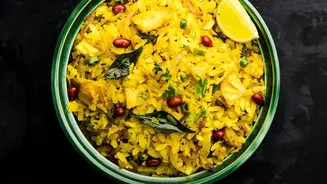
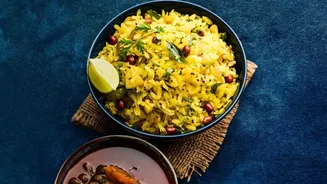
Often associated with Navratri fasting, buckwheat, or kuttu, is a powerful superfood that deserves a place in your regular diet. Naturally gluten-free, buckwheat is not a wheat but a fruit seed rich in fibre and protein. Kuttu ki khichdi has a distinct nutty flavour and a delightful texture. It’s traditionally prepared with cubed potatoes, roasted peanuts for crunch, and fasting-friendly spices like cumin, green chillies, and ginger. The result is a light yet filling dish that is easy on the digestive system. This khichdi is a testament to how fasting foods can be incredibly nutritious and delicious, offering a wholesome meal that provides steady energy.
5. Green Power Palak Khichdi
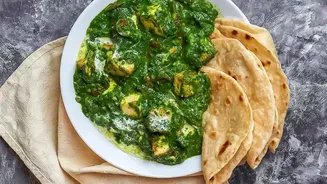
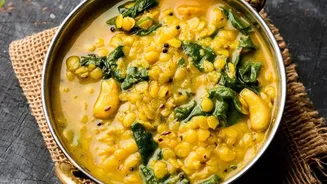
Elevate the nutritional profile of your standard khichdi by adding a generous amount of fresh spinach (palak). This variation turns the dish a vibrant green and infuses it with iron, vitamins, and antioxidants. You can either add finely chopped spinach directly into the pot or blend it into a puree for a smoother, more intense flavour and colour. Combining rice and dal with spinach creates a balanced meal that’s both comforting and cleansing. Spices like garlic, cumin, and a pinch of asafoetida complement the earthiness of the spinach beautifully. This is an excellent and easy way to incorporate more leafy greens into your diet, especially for picky eaters in the family.