




What is Amaranth?
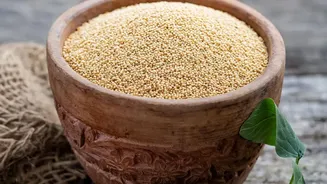
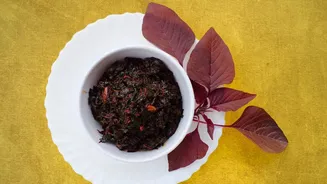
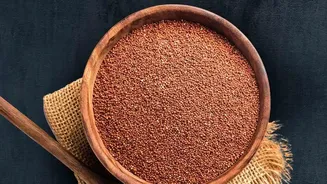
Amaranth, known locally in India as rajgira or ramdana, is not technically a grain but a 'pseudocereal'. Cultivated for thousands of years, this tiny seed was a staple for ancient civilisations like the Aztecs. Today, it's celebrated for its impressive
nutritional profile and versatility in the kitchen. Naturally gluten-free, amaranth has an earthy, nutty flavour that works well in both sweet and savoury dishes. It’s regaining popularity as people seek out nutrient-dense alternatives to traditional grains, making it a perfect ingredient to explore for a wholesome start to the day.
A Nutritional Boost for Your Bones
One of the standout features of amaranth is its contribution to a well-rounded diet that supports bone nutrition. It is a good source of calcium, a mineral crucial for maintaining strong and healthy bones. A 100-gram serving of cooked amaranth contains about 47 mg of calcium. But the benefits don't stop there. Amaranth is also rich in phosphorus and magnesium, which work alongside calcium to support bone structure. Furthermore, amaranth provides high-quality, plant-based protein, which is vital for muscle health and overall body function. Unlike many other grains, it contains lysine, an essential amino acid, making it a complete protein source. Including amaranth in your diet is a way to supply your body with a network of nutrients that contribute to overall wellness.
Idea 1: Creamy Amaranth Porridge
Perhaps the simplest way to enjoy amaranth is as a warm, comforting porridge, much like a traditional dalia. To prepare, simmer one part amaranth grains with about two to two-and-a-half parts water or milk for 20-25 minutes until the grains are tender and the mixture is creamy. The seeds will always retain a slight crunch, which adds a pleasant texture. From this basic recipe, you can get creative. For a sweet version, stir in a touch of honey or jaggery, a pinch of cardamom, and top with fresh fruits, nuts, and seeds. It’s a filling and satisfying breakfast that keeps you energised through the morning.
Idea 2: Savoury Rajgira Upma
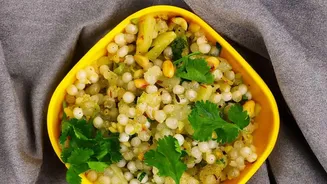
For those who prefer a savoury start, amaranth can be transformed into a delicious and wholesome upma. The process begins similarly: cook the soaked amaranth grains until they are soft. In a separate pan, prepare a classic tadka with mustard seeds, cumin seeds, curry leaves, and chopped ginger. Sauté onions, green chillies, and your favourite vegetables like carrots, peas, and capsicum until tender. Then, fold in the cooked amaranth, add salt to taste, and mix well. Garnish with fresh coriander and a squeeze of lime juice for a zesty, protein-packed breakfast that is both familiar and excitingly new.
Idea 3: Puffed Amaranth Cereal
If you're short on time, puffed amaranth is your best friend. You can puff the seeds at home by heating them in a dry, hot pan for a few seconds until they pop, similar to popcorn. These puffed seeds can be stored in an airtight container for quick breakfasts. Simply pour them into a bowl, add warm milk or yogurt, and top with sliced bananas, berries, and a sprinkle of nuts. You can also mix puffed amaranth with oat bran and buttermilk for a quick, savoury, and cooling breakfast, seasoned with cumin powder and mint. It’s an incredibly fast, light, and crunchy meal.
Idea 4: Amaranth Flour Cheela
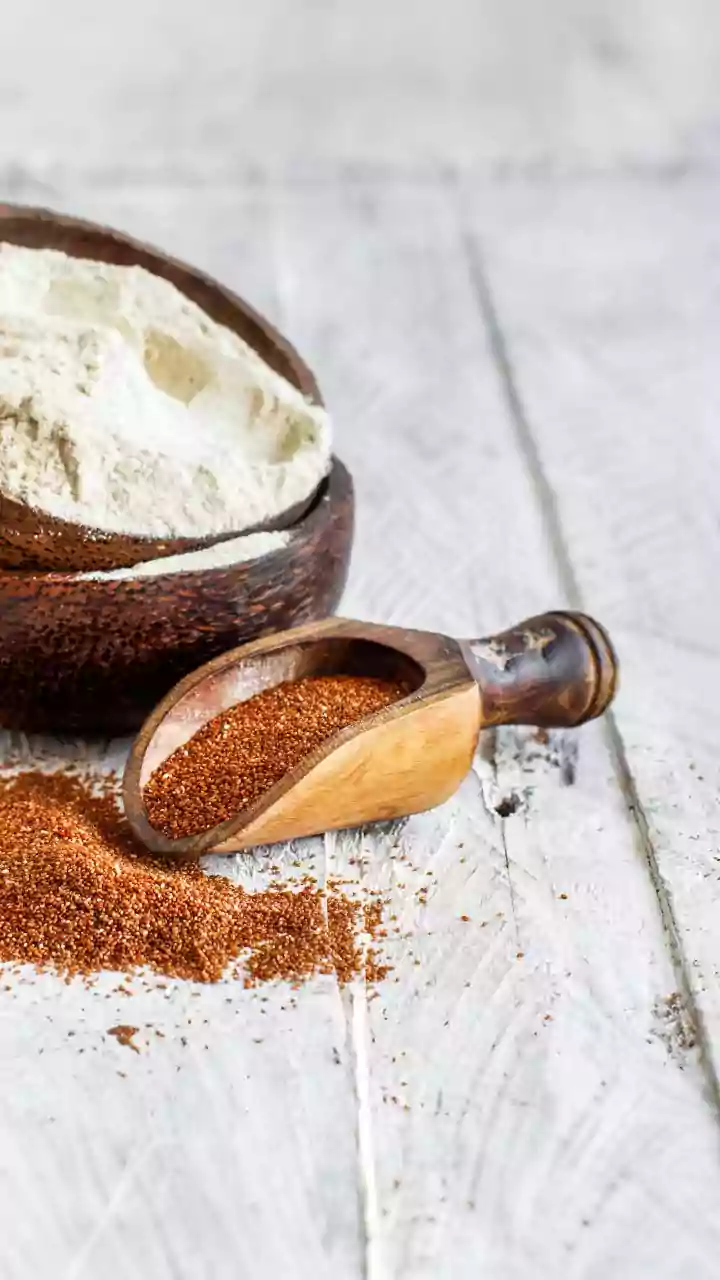
Amaranth flour can be used to make nutritious, gluten-free pancakes or cheelas. Create a batter by mixing amaranth flour with other flours like jowar or besan, curd, water, and a variety of finely chopped vegetables such as onions, cabbage, and carrots. Season the batter with salt, fennel seeds, and other spices of your choice. Cook the cheelas on a hot tawa with a little ghee or oil until golden brown on both sides. These savoury pancakes are a fantastic way to pack vegetables and protein into your morning meal, offering a healthy twist on a beloved Indian breakfast.