


Beyond Postcards and Backwaters
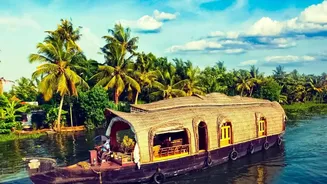
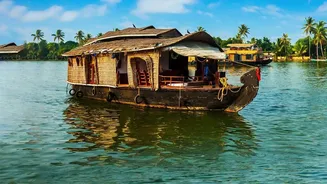
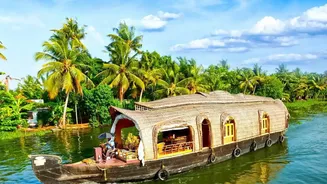
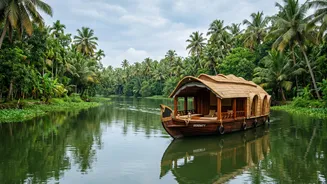
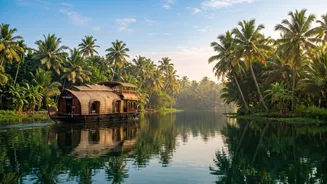
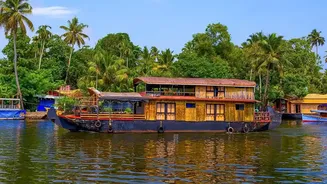
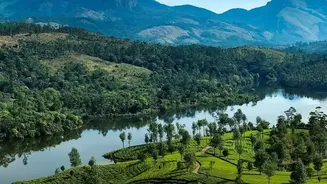
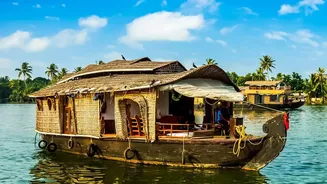
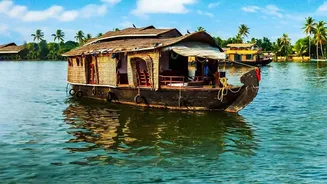
When you think of Kerala, images of serene backwaters and lush tea gardens likely come to mind. While this natural beauty is central to its appeal, the state's most significant contribution to tourism is less visible but far more impactful. Since 2007,
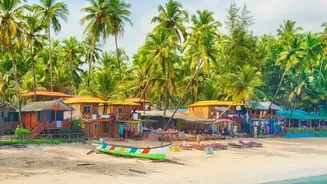
Kerala has been meticulously building its Responsible Tourism (RT) Mission, a ground-breaking initiative designed to make tourism work for the people and the planet, not just for profit. It started as a pilot program in four diverse destinations—Kovalam (beach), Kumarakom (backwaters), Thekkady (wildlife), and Wayanad (hill station)—to test a new philosophy: tourism should be managed with and for the local community. This approach moves beyond simply attracting visitors to ensuring that the benefits of their stay are deeply rooted in the local economy and culture.
The Three Pillars of Responsibility
The Kerala model is built on what is often called a 'triple bottom line': economic, social, and environmental responsibility. Economically, the focus is on plugging the leaks where tourist money flows out of the local area. By connecting hotels and resorts with local farmers, artisans, and small businesses, the RT Mission ensures that revenue stays within the community. Socially, it empowers residents to become active participants rather than passive spectators. This includes promoting homestays, training local guides, and creating platforms for traditional performers, with a strong emphasis on women's empowerment. In fact, an estimated 80% of the state's 26,000 Responsible Tourism units are led by women. Environmentally, the mission promotes conservation, waste management, and the reduction of plastic, preserving the very natural assets that draw tourists in the first place.
From Local Success to Global Recognition
This isn't just a feel-good story; it's a globally recognized success. The United Nations World Tourism Organisation (UNWTO) has repeatedly lauded Kerala's RT Mission as a model for other destinations to replicate. Kumarakom, one of the original pilot villages, received the UNWTO's prestigious Ulysses Award for its innovation in public policy and governance. These accolades are a testament to a system that delivers tangible results. Across the state, around 150,000 families are direct beneficiaries of the mission's projects, which have generated new enterprises and provided skills training to over 20,000 people. Initiatives like the PEPPER project (People's Participation for Participatory Planning and Empowerment through Responsible Tourism) are designed to discover and develop new destinations with direct community involvement, ensuring the model's continued growth.
A Blueprint For India?
Kerala's success offers a powerful blueprint for the rest of India, where unregulated tourism often leads to environmental stress and social friction. Many regions face unique challenges, from the fragile Himalayan ecosystems stressed by pilgrimages to the water-scarce deserts of Rajasthan. The principles of Kerala's RT Mission are adaptable. A state in the North-East could use the model to protect its unique tribal cultures while creating livelihoods, while a coastal state could focus on preserving marine ecosystems. The key is the core philosophy: community participation, local sourcing, and environmental stewardship. By empowering local self-governing bodies and creating direct economic links between tourism and communities, other states can create a more resilient and equitable tourism sector.
The Road Ahead Is Not Without Bumps
Despite its successes, the path forward requires vigilance. Challenges such as over-tourism in popular spots, the risk of 'greenwashing' where sustainability is more of a marketing gimmick than a reality, and the complex task of enforcing environmental laws remain significant hurdles across India. Scaling a community-centric model requires immense coordination, political will, and ongoing efforts to prevent the commercialization of cultural heritage. The success in Kerala was not accidental; it was the result of consistent policy, institutional support, and a long-term vision. Replicating this requires more than just adopting a label; it demands a fundamental shift in how tourism development is planned and executed nationwide.