









A Policy to Clear the Air
Delhi's battle with toxic air quality is a well-documented public health crisis, and vehicular emissions are a primary contributor. The new EV Policy 2.0, effective from July 1, 2026, is the government's most aggressive attempt yet to tackle this issue
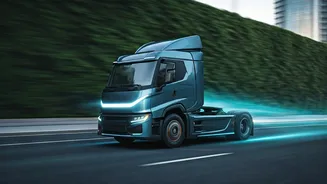
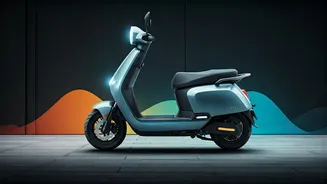
at its source. The plan specifically targets the highest polluting segments: two-wheelers, three-wheelers, and commercial goods carriers, which together account for a significant portion of the city's vehicular pollution. By catalysing a city-wide shift to electric mobility, the policy aims not just to replace old vehicles but to engineer a cleaner, more breathable future for the National Capital Region. The goal is audacious: to ensure 95 per cent of all new vehicle registrations in Delhi are electric by 2027, effectively turning the tide on decades of pollution.
Decoding the ₹15,000 Crore Blueprint
The staggering ₹15,000 crore budget is designed to make electric vehicles an easy and affordable choice for every resident. The funds are strategically allocated over the next four years to overcome the biggest barriers to EV adoption: cost and convenience. A significant portion will go towards direct purchase incentives. For instance, during the first year of the policy, buyers of new electric two-wheelers will receive a subsidy of ₹30,000, while those purchasing electric three-wheelers are eligible for ₹50,000. To accelerate the removal of older, more polluting vehicles from the roads, the policy includes generous scrapping incentives. An owner of a BS-IV or older four-wheeler could receive ₹1 lakh for scrapping their vehicle and making the switch. The remainder of the budget is earmarked for a massive expansion of charging infrastructure, ensuring that charging points become as common as petrol pumps.
The End of the Road for Petrol Bikes
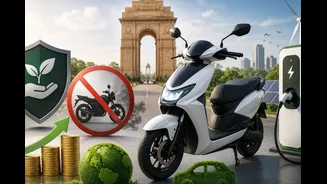
Perhaps the most decisive element of the policy is the introduction of hard deadlines for the sale of new internal combustion engine (ICE) vehicles. From January 1, 2027, only electric autorickshaws will be eligible for new registrations in the capital. An even bigger shift will occur on April 1, 2028, when the registration of new petrol-powered two-wheelers will be completely phased out. This makes Delhi one of the first major cities globally to set a concrete end date for the sale of petrol bikes and scooters. The focus on these segments is deliberate; two-wheelers dominate Delhi's roads and, along with three-wheelers, are disproportionate contributors to emissions. By mandating this transition, the government aims to trigger a rapid market transformation and force manufacturers to prioritise their electric offerings for the Delhi market.
What This Means for Delhi Residents
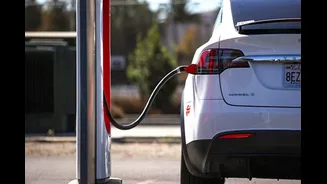
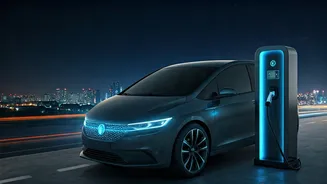
For the average Delhiite, this policy will have a direct and tangible impact. For delivery drivers, autorickshaw operators, and daily commuters, the combination of purchase subsidies and lower running costs of EVs promises significant savings. The government's plan aims to bridge the upfront price gap between electric and petrol vehicles, a major hurdle for many potential buyers. The plan also addresses 'range anxiety' by committing substantial funds to building out a dense network of public charging stations and battery-swapping facilities across the city. However, the success of this transition hinges on flawless execution. Industry experts and citizens will be watching closely to see if the promised charging infrastructure can be deployed quickly enough to support the mandated vehicle transition, ensuring that the move to electric is a smooth and practical one for everyone involved.