
Welcome to Dong Valley: India’s Easternmost Frontier
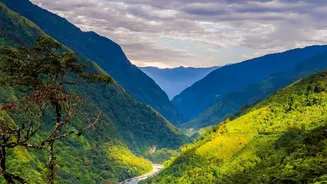
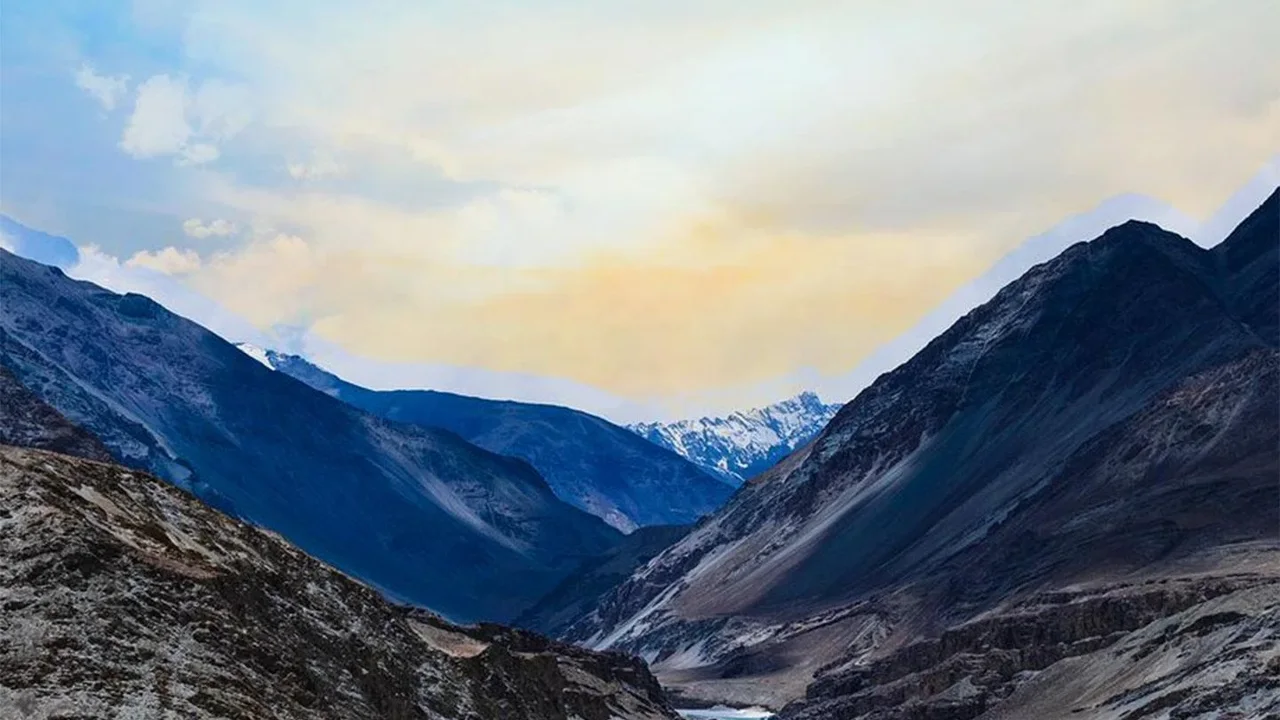
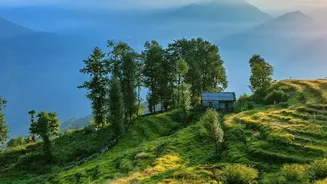
Nestled in the Anjaw district, Dong Valley is a place of breathtaking beauty and strategic significance. It lies near the tri-junction where the borders of India, China, and Myanmar meet. This geographical distinction makes it the first inhabited place in India to
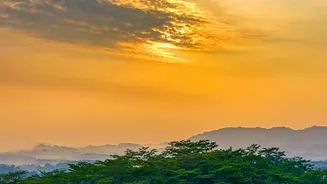
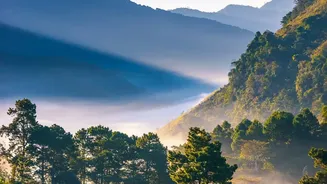
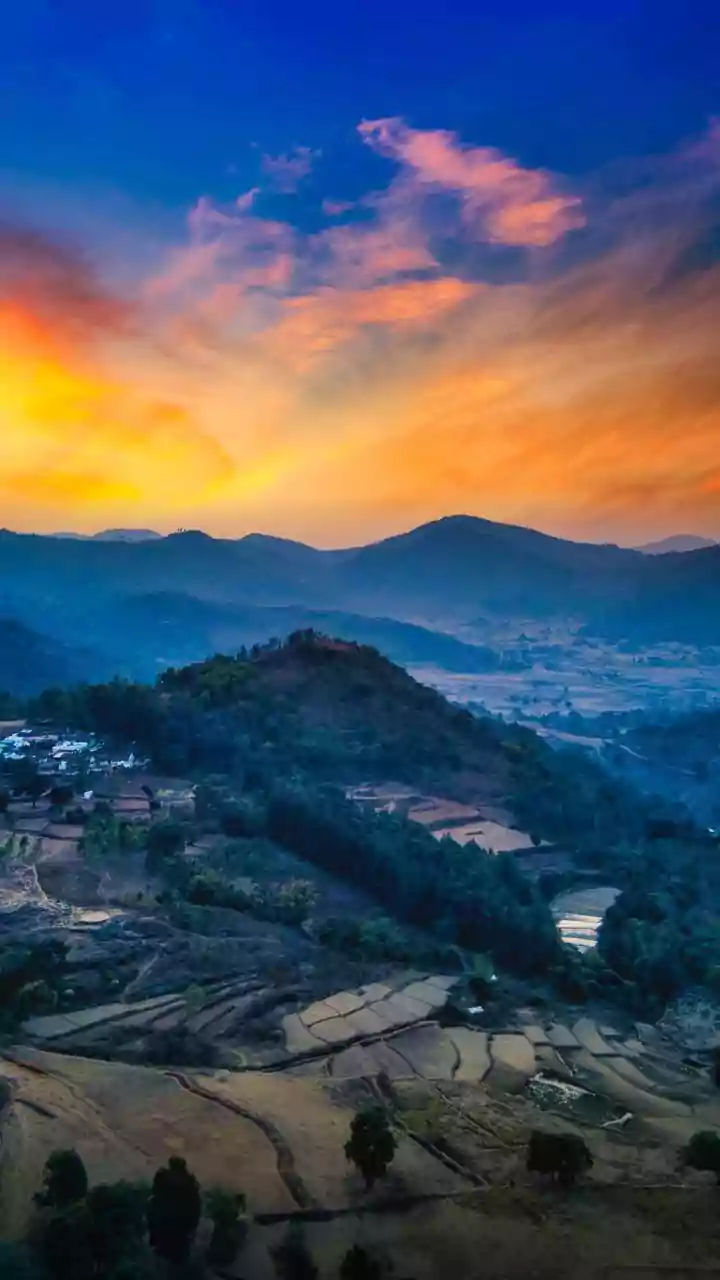
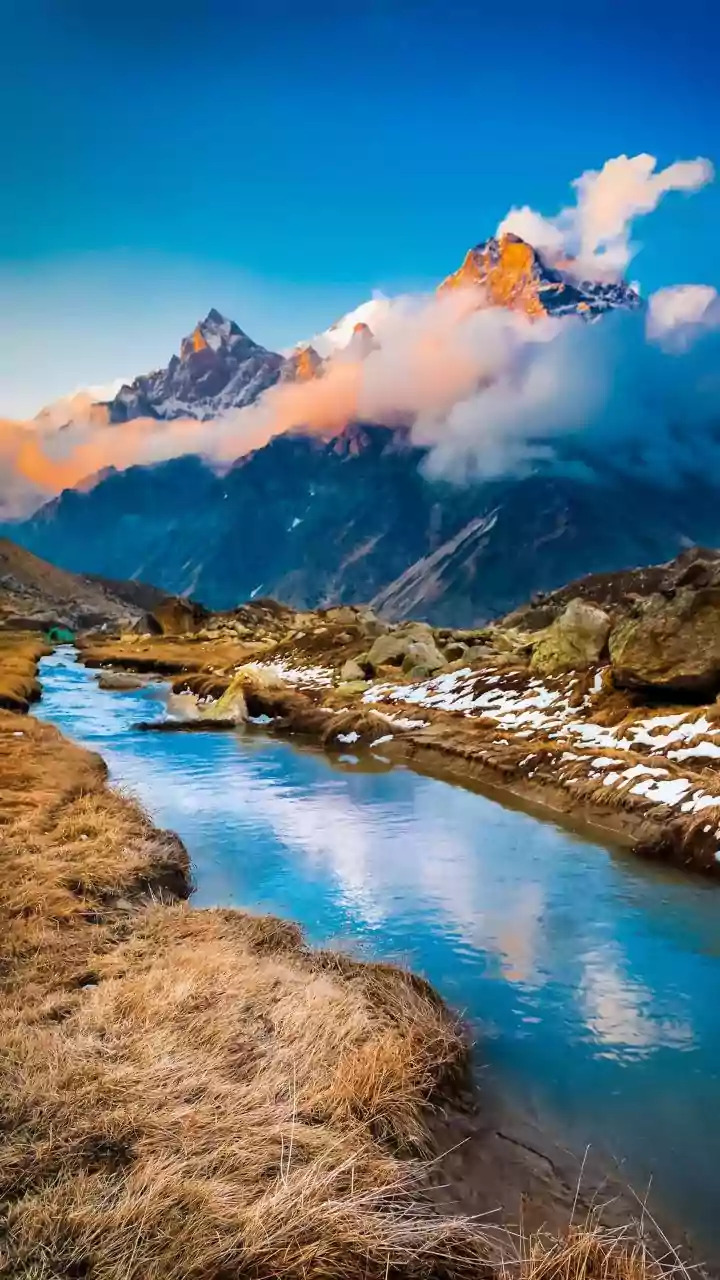
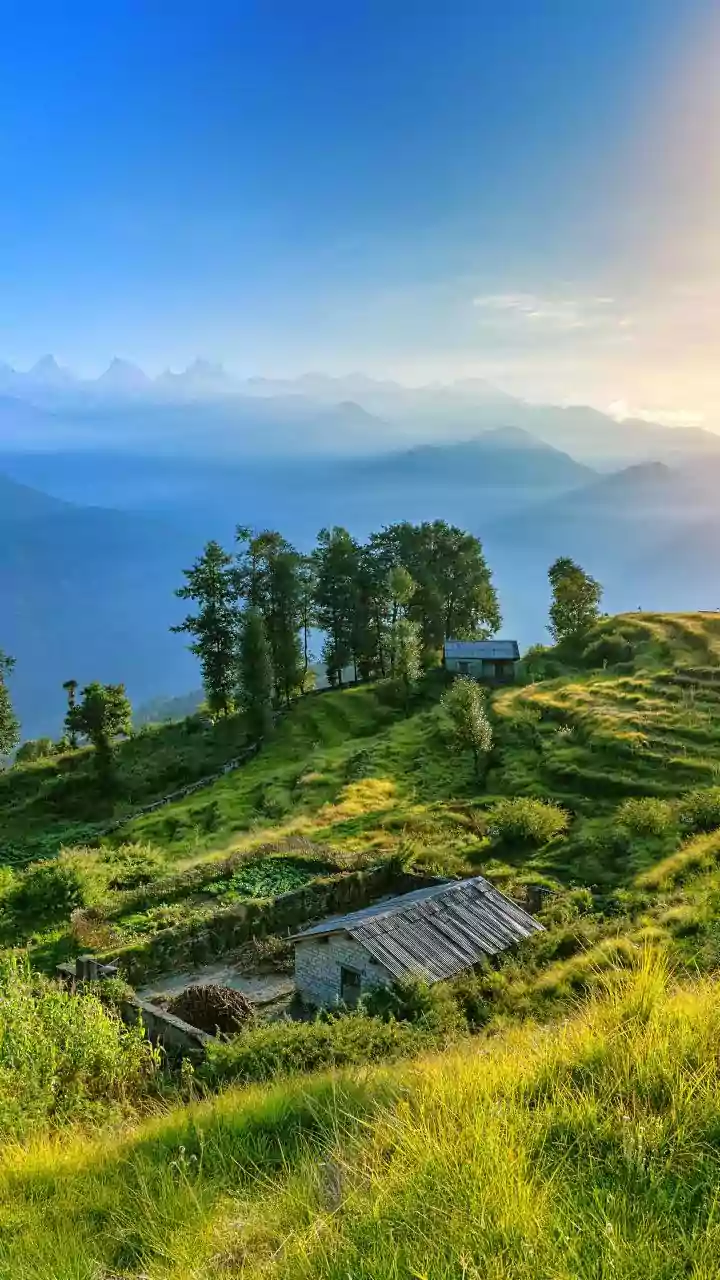
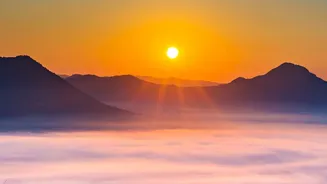
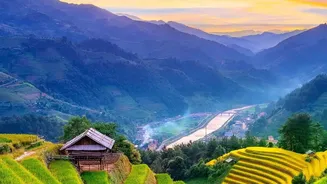
be touched by the morning sun. Perched at an altitude of 1,240 metres, the tiny village of Dong sits at the confluence of the Lohit and Sati rivers, surrounded by dense pine forests and snow-dusted peaks. In 1999, it was officially confirmed that this valley witnesses the country's earliest dawn, putting it on the map for intrepid travellers and earning Arunachal Pradesh the moniker, 'Land of the Dawn-lit Mountains'.
The Journey to the First Light
Reaching Dong Valley is an adventure in itself, a journey to one of India’s most isolated yet rewarding destinations. The most common starting point is Dibrugarh in Assam, which has the nearest major airport and railway station. From Dibrugarh, it’s a two-day road trip covering approximately 400 kilometres to reach Walong, the main administrative town that serves as the base for the sunrise trek. The drive is a spectacular journey through the changing landscapes of the Eastern Himalayas, passing through towns like Tezu and Hayuliang. Given the remote terrain and limited public transport, hiring a private vehicle or a shared SUV is the most practical way to navigate the mountainous roads leading to this frontier region.
A Midnight Trek for a Morning Spectacle
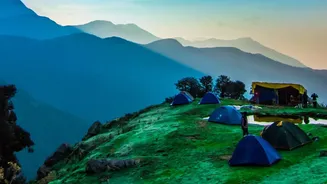
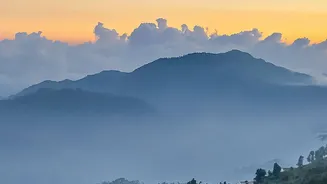
The experience of watching the sunrise in Dong begins in the dead of night. To catch the first rays, which appear as early as 4 AM in summer, trekkers must start their ascent from Walong around 2 AM. The trek to the viewpoint is an 8-kilometre round trip that takes about 90 minutes to ascend. It's a moderately challenging climb up a steep, pine-forested ridge, often guided by local experts from the Meyor tribe. As you ascend in the darkness with only a headlamp to light the path, the sense of anticipation builds. Reaching the summit just as the sky begins to blush with hues of pink and gold is an unforgettable reward, offering a panoramic view of the valley waking up below.
Essential Planning: Permits and Best Time to Visit
A trip to Arunachal Pradesh requires some mandatory paperwork. All Indian citizens who are not residents of the state must obtain an Inner Line Permit (ILP) before entering. This is a government-issued travel document designed to regulate entry into this protected state. The ILP can be conveniently applied for online through the official Arunachal Pradesh e-ILP portal a few weeks before your travel date. You will need a valid government ID and a photograph for the application. The best time to undertake this journey is between October and May, when the weather is pleasant and the skies are generally clear, offering the best chances for a spectacular sunrise.
Accommodation and Local Culture
Walong is the primary hub for travellers visiting Dong Valley, and accommodation here is simple, authentic, and welcoming. Options mainly consist of government guesthouses and a growing number of family-run homestays that offer a wonderful glimpse into local life. Staying in a homestay allows you to interact with the local Meyor community, a small tribe known for its unique culture and warm hospitality. Don't expect luxury resorts; instead, embrace the charm of basic amenities, home-cooked meals, and the peaceful rhythm of life in one of India's most remote corners. Booking in advance, especially during peak season, is highly recommended.
Beyond the Sunrise: Exploring Anjaw District
While the sunrise is the main attraction, the Anjaw district offers much more to explore. Walong itself is steeped in history, known for the fierce battle fought here during the 1962 war; the Walong War Memorial stands as a poignant reminder of its past. Just a short distance from the trek's starting point is Tilam, home to a natural hot spring perfect for a relaxing dip. The drive to the nearby villages of Kibithoo and Kaho, some of India’s easternmost inhabited areas, offers stunning views of the Lohit River and the surrounding mountains, providing a deeper sense of this incredible frontier region.