

The Anatomy of a Shaggy Lob
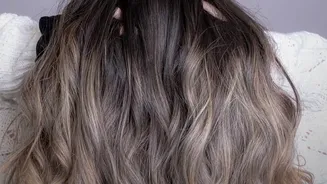
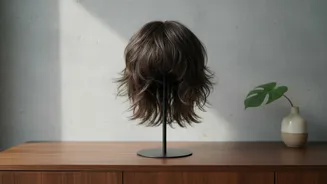
So, what separates a shaggy lob from a standard long bob? The magic is in the texture and layers. A shaggy lob is defined by its choppy, feathered ends and an abundance of layers, particularly around the crown and framing the face. Unlike a blunt lob,
which has a uniform length, the shaggy version is all about creating movement, volume, and an intentionally undone look. It’s a haircut that’s meant to look just as good air-dried on a Monday morning as it does professionally styled for a night out. The key is that the layers are not random; they are strategically placed to enhance your hair’s natural tendencies and your facial structure.
For Fine Hair: Building Volume
For those with fine or thin hair, the word 'layers' can be intimidating, often associated with losing precious density. However, the right kind of layering is actually the secret to creating the illusion of more hair. When it comes to a shaggy lob for fine hair, the goal is to build volume and movement without sacrificing fullness at the ends. Stylists often use techniques like creating shorter, almost hidden layers at the crown to provide lift right at the roots. The ends are typically kept a bit blunter, with texture snipped in to avoid a stringy appearance. To style, a texturizing spray or a lightweight mousse is your best friend. Applying it to damp roots before blow-drying or to dry hair while scrunching can add grit and hold, giving fine hair the body it needs to support the shaggy shape.
For Thick Hair: Removing Weight
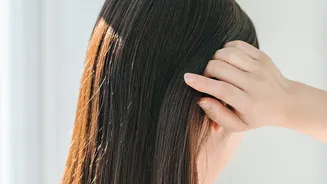
Thick hair presents the opposite challenge: how to achieve a shaggy, layered look without it becoming bulky or triangular. For this hair type, the shaggy lob is a game-changer, offering a way to remove significant weight while adding shape and movement. A stylist will likely use internal or ‘invisible’ layers, which involves cutting shorter pieces underneath the top sections of your hair. This technique debulks the hair from the inside out, allowing it to lay flatter and move more freely. They may also use a slicing or point-cutting technique on the ends to soften the shape and prevent a heavy, bottom-heavy look. The result is a lighter, airier style that feels less cumbersome and is far easier to manage on a daily basis.
For Curly Hair: Enhancing Your Natural Pattern
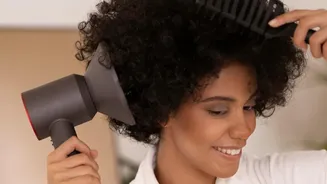
The shaggy lob seems almost tailor-made for curly hair, as it's designed to celebrate and enhance natural texture. For those with curls, the key is to ensure the layers work with your specific curl pattern, not against it. Many stylists specializing in curly hair recommend a dry cut. This allows them to see how each curl naturally falls and to cut the layers accordingly, preventing awkward shapes or the dreaded 'shelf' effect. The layers in a curly shag are meant to create a beautiful, rounded shape that prevents the hair from weighing itself down. When styling, the focus should be on hydration and definition. Using a curl cream and a diffuser on a low heat setting will help define your curls and give them that bouncy, voluminous finish that makes a curly shaggy lob so stunning. A sea salt spray can also be used to achieve a more relaxed, beachy wave.
Styling and Upkeep
Regardless of your hair type, the beauty of the shaggy lob is its low-maintenance vibe. This is a cut that thrives on looking a little lived-in. Air-drying is often encouraged to bring out your hair's natural texture. For a more polished look, a quick pass with a flat iron to create subtle bends or using a diffuser to enhance waves and curls is all you need. To keep the cut looking its best, plan for a trim every 8 to 12 weeks. This will help maintain the shape of the layers, which are crucial to the style. A good texturizing spray, a light pomade for defining ends, and a hydrating cream for curls are the essential products to have in your arsenal.