





Embrace the Icons, Don't Dismiss Them
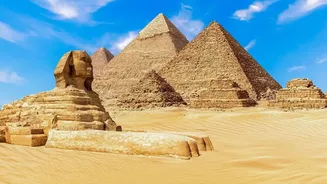
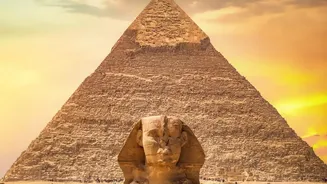
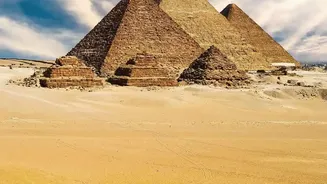
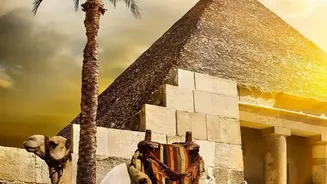
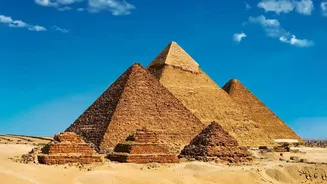
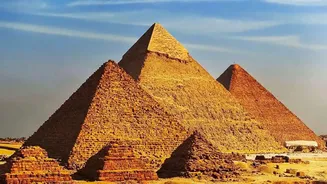
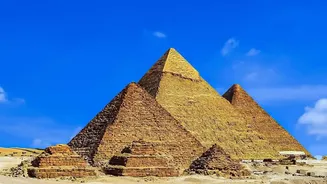
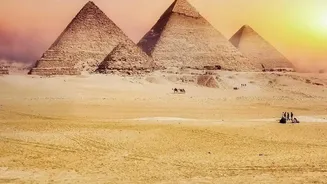
Let's be clear: you cannot and should not skip the headline acts. The Great Pyramid of Giza is the last surviving wonder of the ancient world. The sprawling temple complex of Karnak in Luxor is a forest of colossal columns that defies belief. The Valley
of the Kings is a sacred landscape where pharaohs were laid to rest in astonishingly decorated tombs. These places are famous because they are genuinely awe-inspiring. They are the essential pillars of any Egyptian itinerary, providing the historical context and sheer scale that make this destination so unique. The goal isn't to replace them, but to complement them, adding layers of texture to your journey and providing respite from the inevitable crowds.
Beyond Giza: The Genesis of the Pyramids
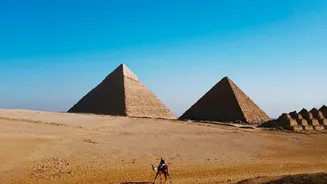
The Giza plateau can be an intense experience. For a different perspective on these monumental structures, take a day trip to Dahshur and Saqqara, just south of Cairo. At Saqqara, you'll find the Step Pyramid of Djoser, considered the world's oldest stone building and the architectural ancestor of all other pyramids. Nearby Dahshur is home to two remarkable pyramids built by Pharaoh Sneferu: the Bent Pyramid, with its peculiar change in angle, and the Red Pyramid, the first successful true smooth-sided pyramid. Visiting these sites often involves far fewer crowds, allowing you to appreciate the evolution of pyramid construction in relative peace. You can often enter the Red Pyramid, descending into its chambers for an experience that feels more adventurous and less crowded than at Giza.
Luxor's Quieter Counterparts: Dendera and Abydos
Luxor is the world's greatest open-air museum, but its popular sites can be overwhelming. For a breathtaking change of pace, dedicate a full day to visiting the temples of Dendera and Abydos, located north of the city. The Temple of Hathor at Dendera is one of the best-preserved temple complexes in all of Egypt, famous for its vibrant, detailed ceiling depicting the zodiac and its massive, Hathor-headed columns. Further on, Abydos is one of ancient Egypt's oldest and most sacred cities. The Temple of Seti I here contains some of the most intricate and beautiful reliefs of the New Kingdom, as well as the famous Abydos King List, a chronological list of Egyptian pharaohs that has been crucial for historians. Because they require a dedicated day trip, these temples offer a more serene and personal viewing experience.
Aswan: More Than a Starting Point
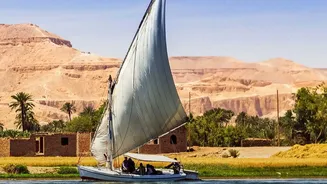
Many travellers see Aswan simply as the start or end point for a Nile cruise or the departure city for Abu Simbel. But to do so is to miss the city's wonderfully relaxed charm. Instead of rushing off, spend a day exploring at a slower pace. Take a small boat to Elephantine Island to wander through colourful Nubian villages and see local life unfold. Sail on a traditional felucca at sunset, a tranquil experience that connects you to the timeless rhythm of the Nile. You can also visit the Unfinished Obelisk, a massive monument left in its quarry, which gives a fascinating insight into ancient stone-working techniques. Aswan provides a welcome, gentler alternative to the intensity of Cairo and Luxor.
The Allure of the Oasis
For a true escape from the Nile Valley's temple trail, consider a journey into the Western Desert. The Siwa Oasis, though a long drive from Cairo, offers a completely different kind of Egyptian experience. It’s a world of palm groves, shimmering salt lakes you can effortlessly float in, and ancient mud-brick ruins. The culture here is unique, and the pace of life is slow and restorative. For those with less time, the Fayoum Oasis, much closer to Cairo, offers its own unique attractions, including desert waterfalls and the Valley of the Whales. Adding an oasis to your itinerary provides a refreshing natural and cultural contrast, serving as the perfect antidote to 'temple overload'.