


What is Salt Roasting?
Salt roasting is an ancient, simple, and brilliant cooking technique. Instead of placing food directly on a hot surface or in oil, it is submerged in a bed of hot salt. In India, you’ll often see street vendors—the original masters of this craft—proficiently
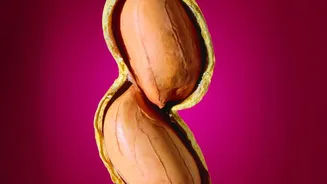
tossing peanuts, chickpeas, or corn in a large wok (kadai) filled with pre-heated salt. The salt itself doesn’t get absorbed in large quantities; instead, it acts as a medium to transfer heat. It envelops each peanut, ensuring heat is distributed evenly and gently from all sides, a stark contrast to the direct, often harsh heat of a pan. This method is cherished not just for the final product but for the enticing aroma that fills the air, a familiar and beloved scent on bustling city streets.
The Science of a Superior Crunch
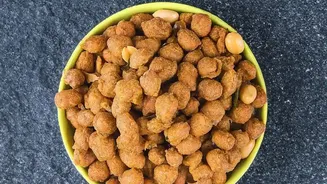
The textural difference between salt-roasted and pan-fried peanuts comes down to heat dynamics and moisture. Salt is a fantastic retainer and distributor of heat. When peanuts are tossed in hot salt, they are cooked by a consistent, indirect heat. This process slowly draws moisture out from the very core of the nut. The result is an incredibly deep, brittle crunch that shatters satisfyingly with every bite. The peanut becomes light and airy, without any greasy residue. Pan-frying, on the other hand, uses conduction—direct heat from the pan's surface. This can be uneven, potentially scorching the outside before the inside is fully cooked. It often creates a harder, denser, and sometimes slightly chewy texture. If oil is used, the peanuts can also end up feeling heavy or oily.
Pan-Frying: The Quick Alternative
This isn't to say pan-frying doesn't have its place. Its biggest advantage is speed and convenience. When you need a quick, warm snack, tossing a handful of peanuts into a pan is an easy fix. It’s a method that requires minimal setup and ingredients. You can also easily add spices or a little ghee to the pan to flavour the peanuts as they cook. However, the texture will rarely match the profound crispiness of a salt-roasted peanut. Pan-fried peanuts are often best enjoyed immediately, as they can lose their crunch and become soft more quickly than their salt-roasted counterparts, which have a lower final moisture content and therefore a longer shelf life.
A Taste of Nostalgia
For many in India, the experience of eating 'bhuni hui namkeen moongfali' is deeply tied to nostalgia. It’s the snack bought in a paper cone during a winter evening stroll, at a bustling railway station, or from a vendor outside a park. The process is part of the appeal—watching the vendor skillfully manage the hot salt, the rhythmic sound of the peanuts being tossed, and finally receiving the warm, fragrant snack. This method connects us to a simpler, more traditional way of preparing food, where a humble ingredient like salt is used to create something truly special. It’s a culinary tradition that prioritises patience and technique to achieve the perfect texture.
Your Guide to Salt Roasting at Home
You can easily replicate this technique in your own kitchen. You’ll need a thick-bottomed kadai or wok, raw peanuts (with skin), and a generous amount of common table salt—enough to cover the peanuts. First, heat the salt in the kadai over medium-high heat for about five minutes until it's very hot. Some recipes suggest lightly rinsing the peanuts and adding them while still damp; the moisture helps the salt season the nut and prevents burning. Add the peanuts to the hot salt and begin stirring continuously. At first, it might be difficult to stir, but as the moisture evaporates, it will become easier. Keep stirring for 10-15 minutes until the peanuts turn slightly darker and their skins start to crack. You’ll know they’re done by the wonderful roasted aroma. Use a metal sieve to scoop out the peanuts, leaving the salt behind. Let them cool completely on a plate—they will get crunchier as they cool. The best part? You can save the salt and reuse it for your next batch!