


Why Raw Quality Is Everything
The final texture and flavour of a cooked peanut are largely determined before it even meets heat. Fresh, high-quality raw peanuts have the ideal moisture and oil content for achieving a superior crunch. Peanuts are high in natural oils, which are prone
to oxidation when exposed to air, light, and heat over time. This process, called rancidity, results in a stale, unpleasant taste and a disappointing, often soft, texture. A fresher peanut has its cellular structure and healthy fats intact, ready to be transformed by roasting or frying. When heated, the moisture inside the peanut turns to steam and escapes, while the oils heat up, creating that sought-after crispness in a process known as the Maillard reaction. Starting with a dry, old, or poor-quality peanut means you're already at a disadvantage, as no amount of cooking can restore the flavour and texture lost to staleness.
A Guide To Choosing The Best Raw Peanuts
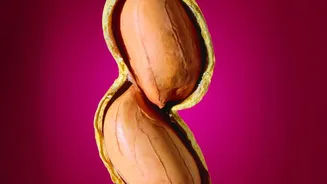
Venturing into the market for raw peanuts can feel overwhelming, but a few key indicators can guide you to the best batch. First, use your eyes. Look for peanuts that are uniform in size and have a clean, tan-coloured appearance. Avoid any that look shrivelled, have dark spots, or show any signs of mould or insect activity. Your sense of smell is your next best tool. Fresh raw peanuts should have a very mild, subtly sweet, and nutty aroma. If you detect a strong, musty, or paint-like smell, it's a clear sign of rancidity, and you should steer clear. Whether you buy them shelled or in-shell, the principles are the same. In-shell peanuts offer an extra layer of protection, but always check for cracks or holes in the shells. A good-quality peanut feels firm and dense for its size.
Common Peanut Varieties In India
India is the world's second-largest peanut producer, boasting a rich diversity of varieties. The most common types you'll encounter are Bold (or Virginia), Java (or Spanish), and Red Natal. Bold peanuts, often grown in states like Gujarat, are larger, oval-shaped kernels perfect for roasting and snacking. Java peanuts are smaller, rounder, and have a higher oil content, making them excellent for making peanut oil and for use in chutneys and other preparations. Red Natal, or red-skinned peanuts, are known for their distinctive colour and are often roasted with the skin on, which contains beneficial antioxidants. While specific regional names like 'Kadiri' or 'G-20' exist, understanding the basic Bold and Java types will help you choose the right peanut for your culinary needs.
The Right Way To Store Them
Once you bring your high-quality peanuts home, proper storage is crucial to preserve their freshness. The main enemies are heat, light, oxygen, and moisture. For both shelled and unshelled raw peanuts, an airtight container is non-negotiable. This prevents them from absorbing moisture or odours from other foods. Store them in a cool, dark place like a pantry for short-term use. For longer-term storage, the refrigerator is your best friend. Shelled raw peanuts can last for up to six months in the fridge, while unshelled ones can last even longer. You can also freeze raw peanuts for up to a year, which is an excellent way to lock in their freshness.
Unlocking The Ultimate Crunch
Now for the final, rewarding step. To achieve that perfect crunch, roasting is the go-to method. Preheat your oven to around 175°C (350°F). Spread the raw peanuts in a single layer on a baking sheet to ensure even cooking. You can toss them in a tiny amount of oil and salt if you wish. Roast for 15-25 minutes, stirring them halfway through. The exact time will depend on their size and whether they are shelled. The peanuts will continue to cook and become crunchier as they cool, so it's better to pull them out when they are lightly golden rather than waiting for them to look fully done. Let them cool completely before storing them in an airtight container to maintain that hard-won, irresistible crunch.