





What Prompted the Scrutiny?
The Food Safety and Standards Authority of India (FSSAI) has initiated enforcement action against CG Foods India Pvt. Ltd. following a detailed inspection of its manufacturing facility in Roopangarh, Ajmer, Rajasthan. The raid was conducted to verify
the plant's compliance with manufacturing and hygiene standards, leading to several serious findings that question the safety of its snack products. This action is part of a broader push by the FSSAI to tighten food safety standards across the country, which has recently seen increased inspections and crackdowns on various food businesses for non-compliance.
The Core Allegations
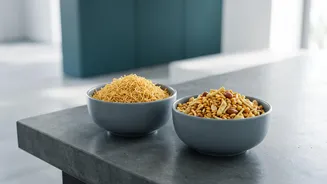
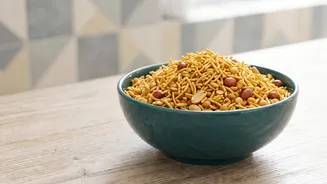
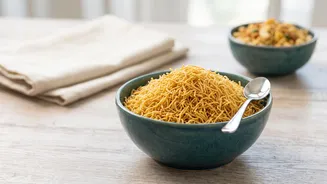
Inspectors reported multiple grave violations at the Ajmer facility. The most alarming finding was that broken noodles collected from the factory floor were allegedly being reprocessed and used to make bhujia products without any heat treatment. This practice creates a significant risk of contamination. Furthermore, the FSSAI discovered the unlicensed manufacturing of two specific bhujia variants: 'Wai-Wai MaMa' and 'Wai-Wai Mama Punte'. The regulator also noted the use of predated packaging, meaning the dates on the packages were set before the products were actually made.
Official Action and Seizures
In response to these findings, the FSSAI has ordered CG Foods to immediately stop the production of its 'Veg Bhujia Namkeen' products. The company is prohibited from resuming production without obtaining the proper approvals and implementing corrective measures. During the inspection, authorities seized a massive quantity of stock, totaling 32,107.2 kilograms, which included loose and broken noodles intended for reprocessing. Additionally, officials detained 1,925 boxes of expired finished goods found at the facility and have initiated strict legal proceedings against the company.
Broader Hygiene and Documentation Failures
The FSSAI's report went beyond the primary violations, highlighting a general failure in maintaining hygiene and proper documentation. The inspection revealed inadequate pest-control records and other systemic deficiencies related to food safety protocols. To determine the full extent of any potential contamination, regulatory samples were collected for laboratory analysis. These samples include loose noodle material, the bhujia products in question, used cooking oil from the frying line, and even 'Wai-Wai Ready to Eat Noodles'. Further regulatory action will depend on the results of these lab tests.
What This Means for Consumers
The FSSAI's findings raise valid concerns for anyone who consumes these popular snacks. The primary risk associated with reprocessing floor-collected materials without heat treatment is bacterial or other forms of contamination that are not always visible to the naked eye. While this does not mean all namkeen products on the market are unsafe, it serves as a critical reminder for consumers to be vigilant. Always check for FSSAI licensing, examine the packaging for any damage, and verify the manufacturing and expiry dates before purchasing or consuming any packaged food product. The action against a major brand like CG Foods sends a strong message that safety standards are non-negotiable.