





First, The Pool: What Is Aqua Yoga?
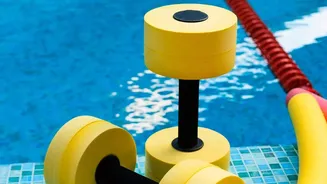
Aqua yoga is essentially a yoga practice that takes place in a swimming pool, usually in chest-deep or waist-deep water. Instead of a mat on solid ground, the water itself becomes your environment. The core idea is to use the water's natural properties—buoyancy
and resistance—to enhance the yoga experience. The buoyancy supports your body, taking a significant amount of pressure off your joints. This makes it an incredibly low-impact exercise, ideal for people with joint pain, arthritis, mobility issues, or those recovering from injury. Simultaneously, the water provides gentle, constant resistance, which helps to build muscle strength and tone in a way that land-based yoga doesn't.
The Aqua Yoga Class Experience
A typical aqua yoga class feels both familiar and entirely new. You'll move through modified versions of classic yoga poses. The water’s support might allow you to hold a pose longer or sink deeper into a stretch than you could on land. The focus is often on slow, controlled movements to work against the water's resistance, which also enhances your cardiovascular activity. Instructors guide you through sequences that improve flexibility, strength, and balance. The session often ends with a floating 'savasana' (corpse pose), where you lie back and let the water completely support you, which many find incredibly relaxing and meditative. The calming effect of the water can help reduce stress and soothe the nervous system.
Next, The Board: An Introduction to Paddleboard Yoga
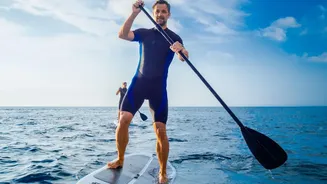
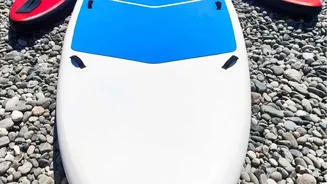
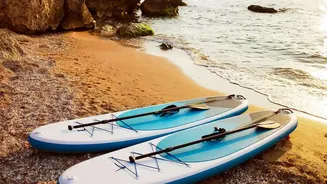
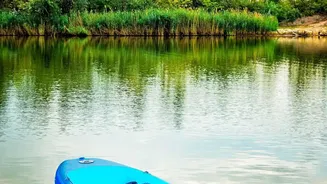
Paddleboard yoga, often called SUP (Stand-Up Paddleboard) yoga, takes the practice out of the pool and onto a large, stable surfboard in a calm body of water like a lake, bay, or tranquil ocean cove. The primary difference is the element of instability. While aqua yoga is about support, SUP yoga is about balance. Every movement, from a simple downward dog to a more ambitious warrior pose, requires constant engagement from your core muscles to keep the board steady. This constant need to adjust and stabilize provides an intense full-body workout, particularly for your core, legs, and back.
A Typical SUP Yoga Session
Your session will likely begin on shore with a brief introduction to paddling and safety. Then, you'll paddle out to a designated spot and anchor your board. The class itself involves performing yoga poses on the board. Your instructor will guide you through a sequence, offering modifications for stability. Don't be surprised if your first few attempts feel wobbly; falling into the water is often part of the fun and a refreshing break. The practice demands intense focus and mindfulness, as your mind can't wander without your body following it into the water. This heightened concentration, combined with being surrounded by nature, creates a powerful mind-body connection and a deep sense of calm.
Which One Is Right for You?
Choosing between aqua and SUP yoga depends on your goals. If you're looking for a gentle, low-impact workout that supports your joints and helps build strength with gentle resistance, aqua yoga is a fantastic choice. It's highly accessible for all fitness levels, including beginners and those with physical limitations. If you're seeking a challenge that will seriously test your balance, supercharge your core strength, and connect you with nature, SUP yoga is the way to go. It forces you to engage smaller stabilizing muscles and sharpens your focus in a dynamic way. Both offer the mental benefits of stress relief and mindfulness, just in very different settings.
What to Wear and Bring
For aqua yoga, a comfortable, secure swimsuit is all you need. Look for chlorine-resistant fabrics if you plan to practice regularly. Some people prefer swim tights or rash guards for extra coverage. For SUP yoga, wear clothing you don't mind getting wet that also allows for movement, like quick-drying gym clothes, yoga wear, or a swimsuit. Cotton is generally not recommended because it gets heavy when wet. You’ll also want to bring sunscreen, a towel, and perhaps a strap for your sunglasses. For both activities, you'll likely be barefoot, but water shoes can be useful for getting to and from the water's edge.