


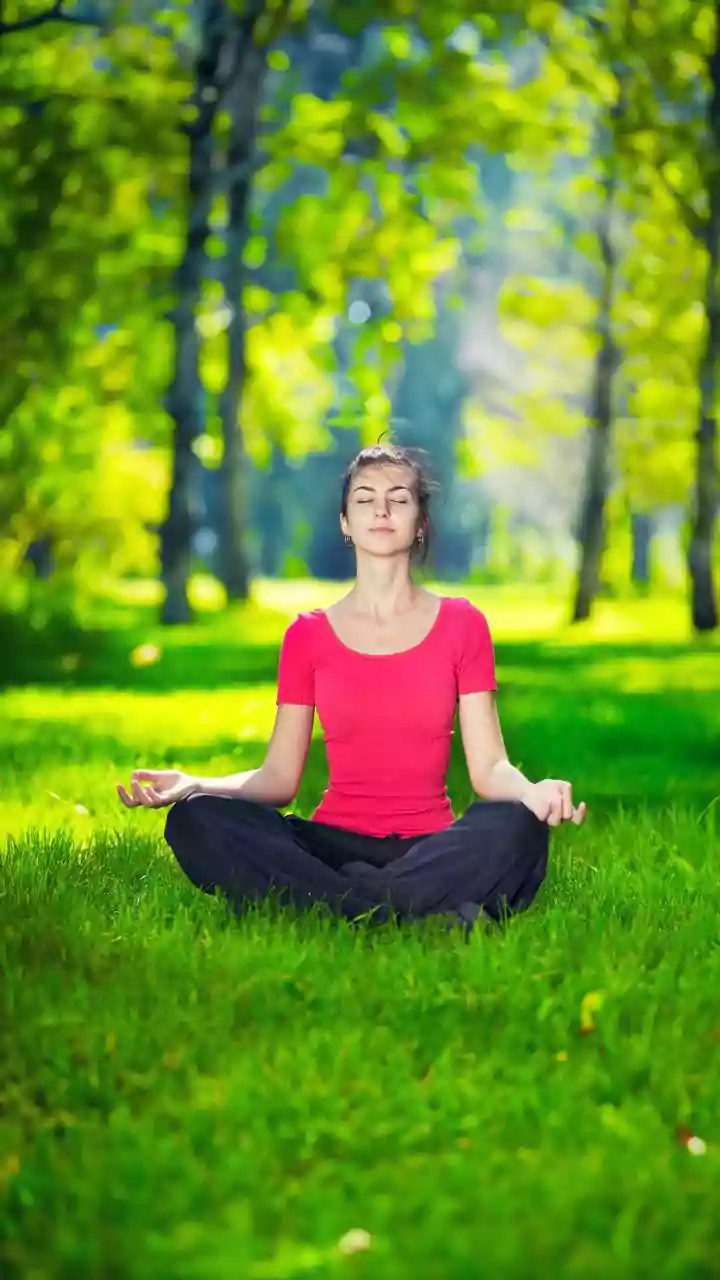
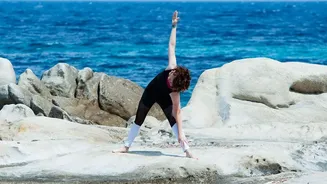
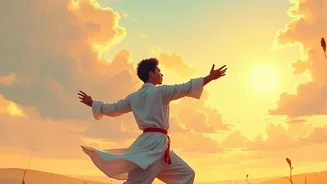
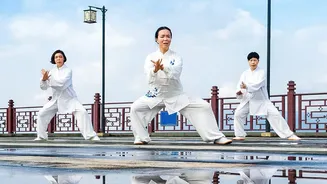
Imagine the serene quiet of an indoor studio, focus turned inward. Now, picture the rhythmic crash of waves and a vast horizon. For Tai Chi practitioners, both settings offer unique gifts, but the true anchor of the art remains the same: the breath.
The Heartbeat of the Practice
At
its core, Tai Chi is often described as a 'moving meditation'. This ancient Chinese practice combines slow, graceful movements with mental focus and, most importantly, deep, coordinated breathing. This isn't the shallow, almost unconscious breathing most of us do throughout the day. Tai Chi breathing is typically deep, abdominal breathing, also known as diaphragmatic breathing. The idea is to relax the abdomen and breathe so deeply that the diaphragm, a large muscle at the base of the lungs, expands downwards, causing the belly to rise and fall. In traditional Chinese philosophy, this technique does more than just move air; it cultivates and circulates 'qi' (pronounced 'chee'), the vital life force or energy that is believed to flow through the body. Movements are often synchronized with the breath: inhaling is associated with 'storing' energy, like drawing back a bow, while exhaling is linked to 'releasing' or 'delivering' energy, like firing the arrow.
More Than Just Air
The physiological benefits of this intentional breathing are well-documented and profound. Deep diaphragmatic breathing activates the parasympathetic nervous system, the body's 'rest and digest' mode. This simple action can help lower stress, reduce anxiety, and promote a state of calm. By breathing deeply, you also increase your oxygen intake, which improves circulation and ensures that your body's cells are properly fueled. This enhanced oxygenation can lead to greater vitality and mental clarity. The rhythmic movement of the diaphragm also gently massages the internal organs and can even assist the heart by helping to pump blood through major vessels that pass through the abdomen. Over time, this conscious breathing can help retrain poor respiratory habits, like shallow chest breathing, leading to better lung capacity and overall function.
The Controlled Calm of Indoors
Practicing Tai Chi indoors offers a sanctuary from the outside world. An indoor space, whether a dedicated studio or a quiet corner of your living room, provides a controlled environment with fewer distractions. This can be particularly helpful for beginners who are trying to master the precise movements and internal focus that the art demands. Without the variables of wind, uneven ground, or curious onlookers, the practitioner can turn their attention completely inward. The focus can be on perfecting the form, feeling the subtle shifts in weight, and achieving a deep connection between mind, body, and breath. The consistency of an indoor setting—a flat floor, constant temperature, and predictable quiet—allows for a practice that emphasizes pure technique and internal development.
The Expansive Energy of the Outdoors
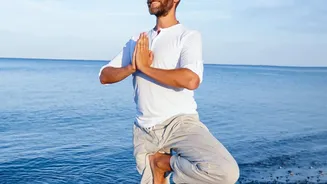
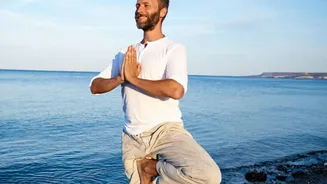
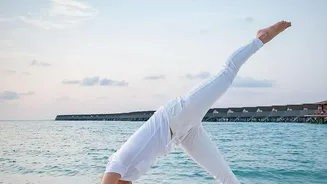
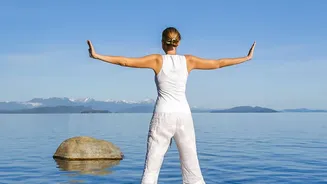
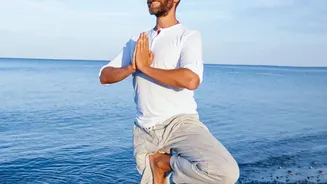
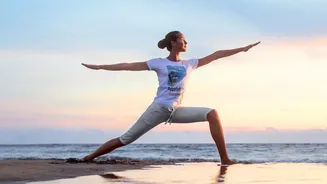
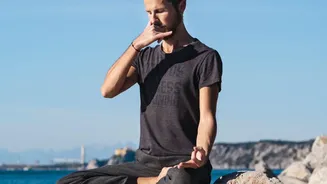
Taking your practice outside, especially to a natural setting like a park or by the sea, introduces a completely different dynamic. Practicing by the ocean enhances the experience by connecting you with the powerful rhythms of nature. The sound of the waves can provide a natural, calming cadence for your movements and breathing, fostering a deeper state of meditative flow. The fresh, open air quite literally provides a better medium for deep breathing exercises. Furthermore, the soft and uneven surface of sand acts as a form of natural resistance, challenging and improving your balance, leg strength, and stability in a way a flat floor cannot. Being surrounded by the beauty of nature can also have a significant psychological uplift, reducing stress and elevating your mood, turning your practice into a truly restorative retreat.
Connecting Breath to Environment
Ultimately, the location does not change the fundamental principles of Tai Chi breathing, but it can enrich the experience in different ways. Indoors, your breath might feel more internal and focused, a tool for perfecting form. By the sea, the act of breathing can feel more expansive, as if you are drawing in the energy of the ocean and sky. The core technique—slow, deep, and abdominal—remains the same. The goal is always to harmonize movement and breath. The environment simply becomes another layer of the practice. An indoor session might sharpen your precision, while an outdoor session by the water might deepen your sense of connection to the world around you, reminding you that you are part of a larger whole.