

Crafting the Perfect Batter
The foundation of any great dosa is its batter. While traditional recipes use rice and urad dal, substituting rice with quinoa adds a fantastic, nutty flavour and a significant protein boost. To start, you'll need to soak your ingredients. A common ratio
is one part quinoa to a half part of mixed lentils, like urad dal and yellow moong dal. Some recipes also add a tablespoon of fenugreek seeds (methi dana), which aids fermentation and contributes to a crispier texture. Soak the quinoa and lentils together for at least five to six hours. After soaking, drain the water and grind the mixture into a smooth paste. It's important to use cold water while grinding to prevent the batter from overheating, which can hinder fermentation. The consistency should be pourable but not watery. Once ground, allow the batter to ferment in a warm place for at least eight hours, or overnight. This fermentation process is crucial; it develops the signature tangy flavour and creates air bubbles that make the dosa light and crisp.
A Flavourful Paneer Filling
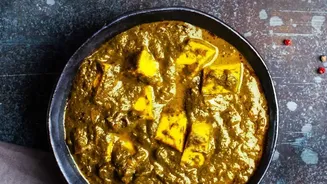
While the dosa itself provides the crunch, the filling brings the flavour. A simple and delicious paneer filling can be prepared while your batter ferments. Start by heating a bit of oil or ghee in a pan. Sauté finely chopped onions until they turn soft and golden. Add ginger-garlic paste, slit green chillies, and cook for another minute until fragrant. Next, add finely chopped tomatoes and cook until they soften into a mushy paste. This is the time to add your spices: turmeric, red chilli powder, and garam masala are excellent choices. Finally, add crumbled or grated paneer to the pan. Stir everything together and cook for just a couple of minutes until the paneer is heated through. Be careful not to overcook it, as it can become tough. Finish with a sprinkle of chopped coriander leaves for freshness. For a street-style twist, some cooks add a teaspoon of pav bhaji masala to the mix. Let the filling cool completely before using it, as a hot filling can make the dosa soggy.
The Tawa is Everything
The headline isn't exaggerating—the tawa (a flat or concave griddle) is the single most important tool for achieving a crispy dosa. While non-stick pans can work, traditional cast-iron tawas are preferred by chefs for their superior heat retention and distribution. A cast-iron tawa, when properly seasoned, develops a natural non-stick surface that is perfect for spreading batter thinly. The key is getting it to the right temperature. If the tawa is not hot enough, the batter will stick and form lumps. If it's too hot, the batter will set before you can spread it. The classic way to test the temperature is to sprinkle a few drops of water on the surface. If the water sizzles and evaporates immediately, the tawa is ready. This phenomenon, known as the Leidenfrost effect, indicates the pan is at the optimal temperature to create a thin layer of steam that allows the batter to spread smoothly without sticking.
Technique and Troubleshooting
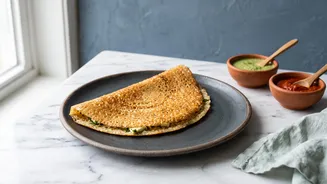
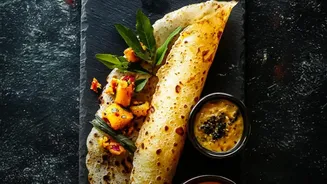
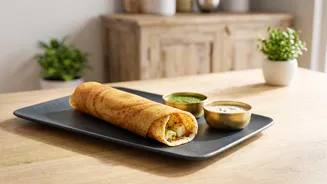
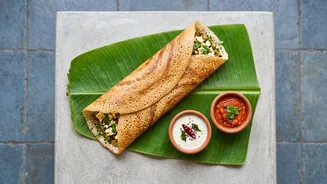
With your batter fermented, filling ready, and tawa piping hot, it's time to cook. Before your first dosa, it's a good practice to grease the tawa lightly with oil and then rub it with half an onion. This cleans the surface and enhances its non-stick properties. Pour a ladleful of batter into the centre of the tawa. Using the back of the ladle, quickly spread the batter in a circular motion, moving from the centre outwards to create a thin, even circle. Drizzle a little oil or ghee around the edges and on top. Cook on medium-high heat. Don’t try to move it too early. As it cooks, the edges will start to turn golden brown and lift away from the tawa. This is your cue that it's getting crisp. Once the bottom is golden and crisp, place a spoonful of the paneer filling on one half of the dosa, fold it over, and serve immediately. If your dosa isn't getting crisp, it could be due to a thick batter, a tawa that isn't hot enough, or spreading the batter too thick. Practice makes perfect, and soon you’ll be turning out restaurant-quality dosas at home.