






An Ocean Hitting Uncharted Highs
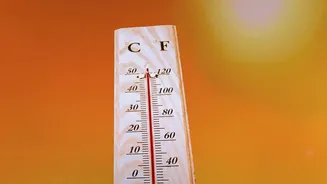
In recent weeks, a key monitoring region in the tropical Pacific, known as Niño 3.4, registered sea surface temperatures that surpassed the peaks of historically strong El Niño events. Temperatures in this zone, which stretches along the equator, have
exceeded previous records, signaling what scientists are calling an exceptionally intense event. This isn't a minor fluctuation; marine heatwaves are defined as prolonged periods of abnormally high ocean temperatures, and what's happening now is part of a persistent and expanding pattern of extreme warming. This particular event is being amplified by an underlying rise in global ocean temperatures, which have absorbed over 90% of the excess heat from human-caused emissions.
The Engine Behind the Heat: El Niño on Steroids
This record warmth is directly linked to a strengthening El Niño, the warm phase of a natural climate cycle called the El Niño-Southern Oscillation (ENSO). During an El Niño, warm water that is normally pooled in the western Pacific spreads eastward toward South America, releasing vast amounts of heat from the ocean into the atmosphere. This process fundamentally alters global atmospheric circulation. However, the current event is not happening in a vacuum. It is layered on top of decades of background warming caused by climate change. This combination means that natural cycles like El Niño are starting from a higher baseline, making them more potent and their impacts more severe. Scientists now believe this 'super' El Niño could be one of the strongest since record-keeping began.
Ripples Across the Water: Ecosystems in Crisis
The most immediate victims of this intense heat are marine ecosystems. Marine heatwaves can be lethal for temperature-sensitive creatures. We are already seeing evidence of devastating impacts, including mass coral bleaching, where corals expel the algae living in their tissues and turn white. Fish populations are on the move, migrating toward the poles in search of cooler waters, which can disrupt commercial fisheries and the livelihoods that depend on them. Harmful algal blooms, which can produce toxins deadly to marine life and shut down fisheries, are also more likely to occur in these warmer conditions. The historic 2014-2016 marine heatwave, for example, caused an unprecedented algal bloom that closed the Dungeness crab fishery for an entire season. Similar disruptions, including mass die-offs of seabirds, are feared with this current, more intense event.
From Ocean Heat to Extreme Weather
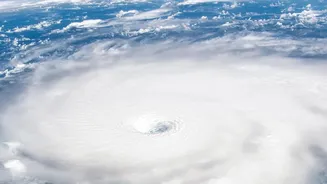
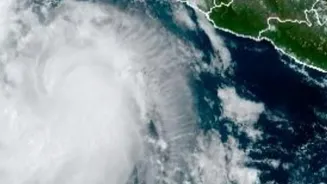
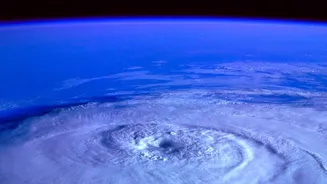
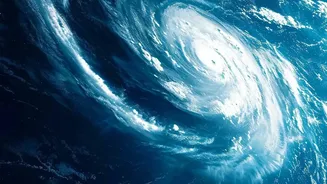
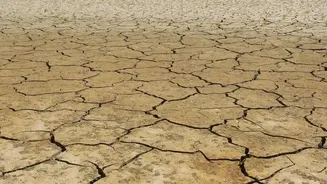
The Pacific Ocean doesn't keep its problems to itself. As the largest ocean on Earth, its temperature has a commanding influence on global weather patterns. The excess heat and moisture rising from a warmer Pacific act as fuel for the atmosphere, energizing storms and shifting weather systems. A strong El Niño is known to alter the path of the jet stream, typically bringing wetter, stormier conditions to the southern United States while causing drought in places like Australia and Indonesia. This redistribution of heat and rainfall can lead to an increased risk of floods in some regions and more intense droughts and wildfire conditions in others. The extra energy can also fuel more powerful typhoons and hurricanes in the Pacific.
A Preview of Our Climate Future
Ultimately, this record-breaking temperature is more than just a statistic; it's a clear and visceral glimpse into our climate future. Scientists have long predicted that climate change would make extreme events like this more frequent and more intense. What was once considered an extreme event, occurring once every 20 years, may soon happen every 10 years or even more frequently. Even years with a cooling La Niña pattern are now warmer than El Niño years from past decades, demonstrating the relentless upward march of the planet's baseline temperature. This single record in the Pacific tells us that the long-term warming trend is no longer a distant forecast. It is here, amplifying natural cycles and delivering tangible consequences that we are only beginning to fully comprehend.