


Mexico’s allure is timeless, but the traveler’s calculus has changed. The dream of a perfect beach escape now meets the reality of shifting crowds and costs. Is your go-to spot still the best value? Let's take a measured look.
The Riviera Maya Reality Check
For decades, the Caribbean
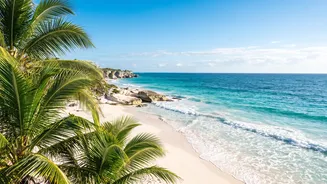
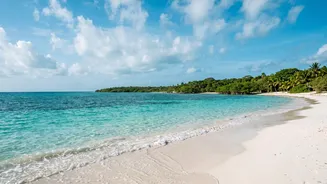
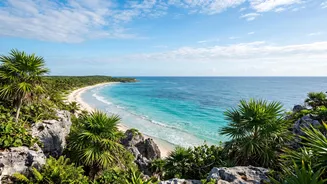
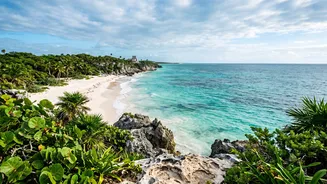
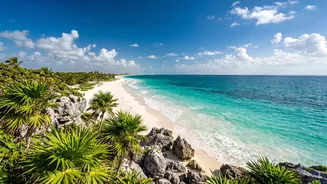
coast—Cancún, Playa del Carmen, and Tulum—has been the crown jewel of Mexican tourism. However, 2026 has revealed a complex picture. After years of booming popularity that pushed prices sky-high, the region is experiencing a notable slowdown. Recent reports from late 2026 show a significant drop in tourism, with hotel occupancy in destinations like Tulum and the Riviera Maya falling dramatically compared to previous years. This downturn is a direct response to what many repeat visitors saw as diminishing value; the bohemian charm of Tulum, for instance, was increasingly overshadowed by luxury price tags for everyday experiences. While this means some businesses are struggling, for travelers, it could signal a market correction. The once-overwhelming crowds at sites and beaches have thinned, potentially offering a more relaxed experience than was possible in the post-pandemic boom years.
Rethinking 'Value' in Cancún and Tulum
The conversation around value in Mexico's most famous tourist zones is more nuanced than ever. These areas are no longer the undisputed bargain getaways they once were. In recent years, prices for hotels, food, and activities in the Cancún Hotel Zone and Tulum's beach strip have often rivaled those in the United States. However, savvy travelers can still find immense value. The key is to look beyond the main tourist strips. Staying in downtown Cancún (Centro) instead of the Hotel Zone can cut accommodation costs by more than half, with the same beautiful beaches just a cheap bus ride away. Similarly, indulging in street food or local 'comida corrida' set lunches provides a more authentic and affordable culinary experience than the pricey resort restaurants. Value here is no longer automatic; it requires a conscious choice to step off the beaten path.
The Pacific Coast Alternative
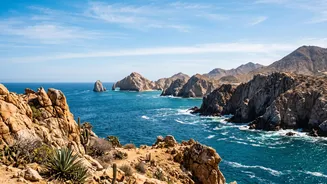
As the Caribbean coast grapples with its popularity, many travelers are looking west to the Pacific. Destinations like Puerto Vallarta, Sayulita, and Los Cabos offer a distinctly different vibe. The scenery is more dramatic, with mountains meeting the sea, and the climate is often drier and less humid than the Caribbean. While the water may be cooler and the waves more energetic, the Pacific side boasts its own powerful attractions, including world-class whale watching, sport fishing, and a vibrant arts scene in towns like Puerto Vallarta. Crucially, the Pacific coast is not affected by the sargassum seaweed that can sometimes plague the Caribbean. In terms of value, the Pacific coast can offer better prices, particularly outside of the ultra-luxury enclaves of Los Cabos, presenting a compelling alternative for those seeking dramatic sunsets and a more 'grown-up' feel.
Inland Treasures: The Ultimate Value Play
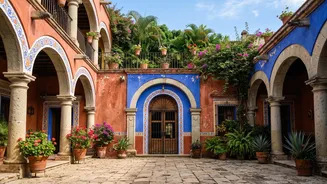
For the ultimate blend of culture, authenticity, and affordability, the best value in Mexico is often found away from the coast altogether. Inland colonial cities are consistently 30–50% cheaper than the popular beach resorts. Cities like Oaxaca, Mérida, and Guanajuato offer a deep dive into Mexican culture. A traveler's daily budget in Oaxaca could be as low as $30–45, a stark contrast to the $120–250 per day that might be spent on a mid–range trip to the Riviera Maya. Here, value isn't just about saving money; it's about the richness of the experience. You can explore world–class culinary scenes, vibrant markets, stunning architecture, and ancient ruins, all while your travel fund stretches significantly further. These cities prove that some of Mexico's most memorable experiences come without a premium price tag.