



The Basic Swimming Prerequisite
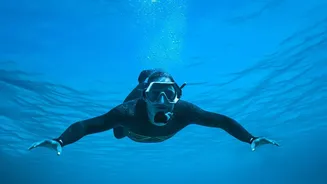
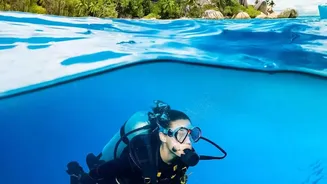
Before you even think about scuba gear, certification agencies require a basic level of comfort in the water. This isn't about being an Olympic athlete. For a standard Open Water Diver certification, you will need to demonstrate two key things: the ability
to swim 200 metres without stopping, and the ability to tread water or float for 10 minutes. There is no time limit for the swim, and you can use any stroke you like. The goal is simply to prove that you can handle yourself in water without panic if a situation arises on the surface. Being comfortable in the water is the most important foundation for a safe and enjoyable diving experience.
Mastering the Theory
Scuba diving is as much a mental activity as it is physical. Before you get into the pool, you'll need to understand the 'why' behind the rules. This knowledge development phase, often completed via eLearning, covers crucial topics. You'll learn about diving physics, like how pressure affects your body and air consumption—a concept known as Boyle's Law. You'll also study physiology to understand how to avoid issues like decompression sickness, the importance of equalising your ears, and the single most important rule: never hold your breath. This theoretical grounding is what allows you to make smart, safe decisions underwater.
Confined Water: Your First Breaths Underwater
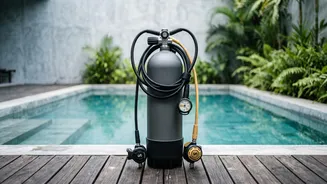
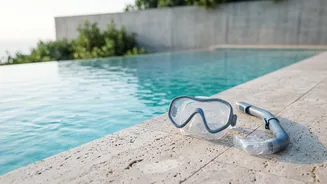
This is where the theory becomes reality. In a swimming pool or a calm, shallow body of water, you will take your first breaths underwater under the direct supervision of an instructor. These 'confined water' sessions are where you build foundational skills in a safe environment. You'll learn how to assemble your gear, how to clear your regulator of water and recover it if it comes out of your mouth, and how to clear a partially or fully flooded mask. You'll also be introduced to buoyancy control, using your breathing and a device called a BCD to control whether you float, sink, or hang weightlessly in the water.
The Buddy System: Never Dive Alone
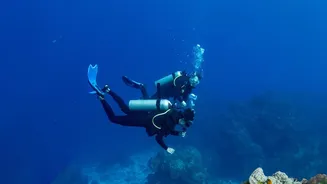
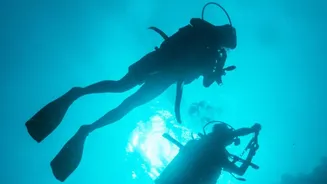
One of the golden rules of diving you'll learn from day one is to always dive with a partner. The buddy system is a core safety principle. You and your buddy are a team responsible for each other's safety. This involves conducting pre-dive safety checks on each other's equipment, staying close together throughout the dive, and knowing how to respond in an emergency, such as sharing air from an alternate source. You'll practice these procedures in your confined water training, ensuring they become second nature long before you enter open water.
The Open Water Dives
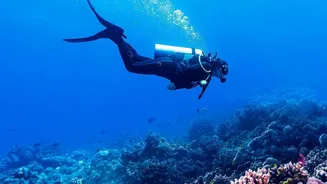
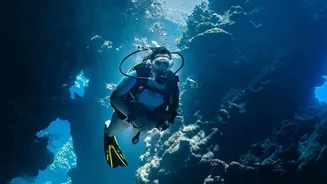
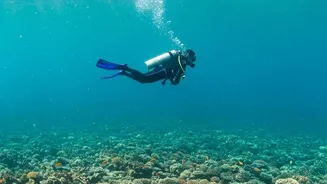
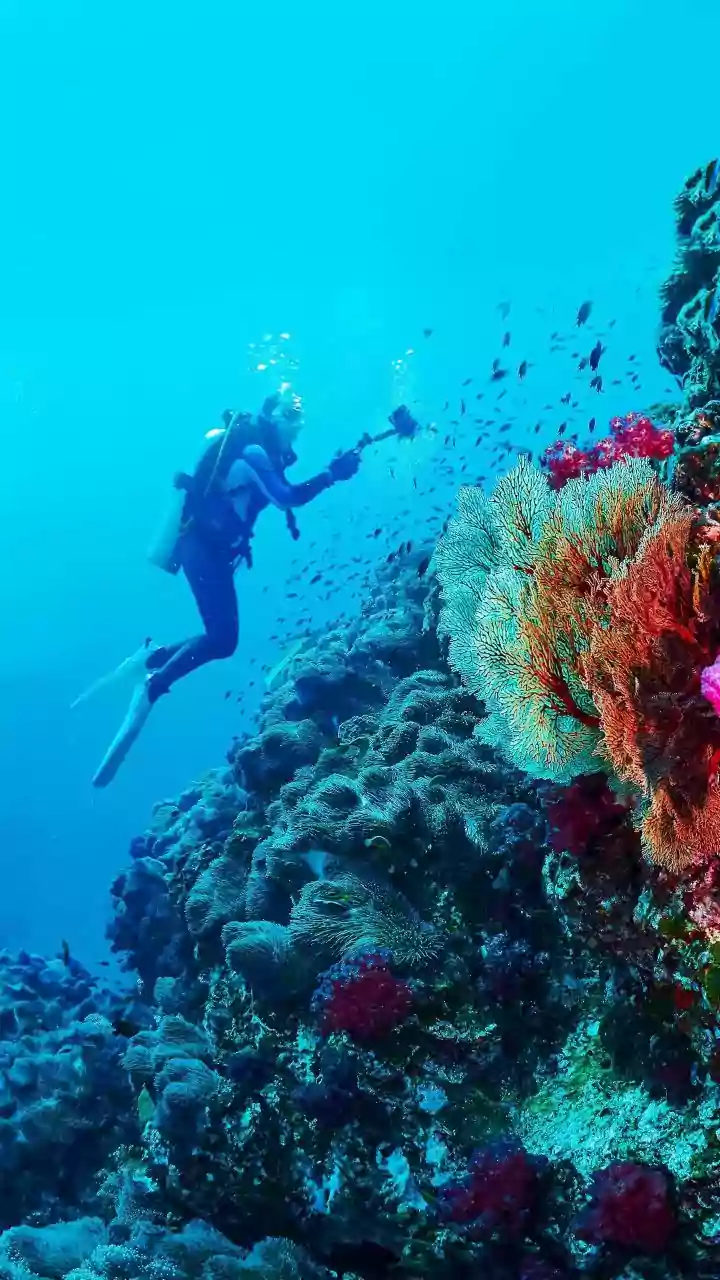
This is the final and most exciting part of your certification. Over the course of four dives in an 'open water' environment like a lake or the ocean, you'll demonstrate the skills you mastered in the pool. An instructor will accompany you as you practice buoyancy, navigation, and safety procedures in a real-world setting. These dives are your opportunity to put everything together and begin truly exploring. While the depth limit for a new Open Water diver is typically 18 metres/60 feet, many of these initial training dives are in shallower water where you can comfortably apply your new skills and enjoy the marine life around you.