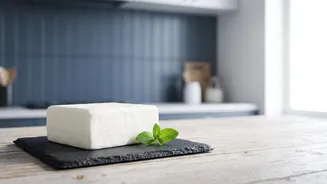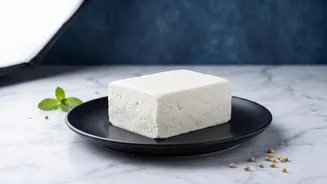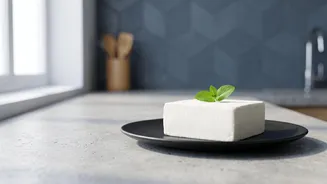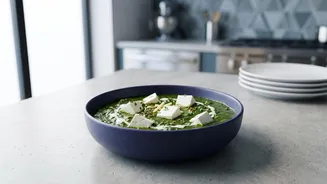




The Paneer on Your Plate
For millions of Indians, especially vegetarians, paneer is a primary source of protein and a versatile culinary delight. But a growing concern in the food market is the rise of 'analogue paneer'. According to the Food Safety and Standards Authority of India (FSSAI),
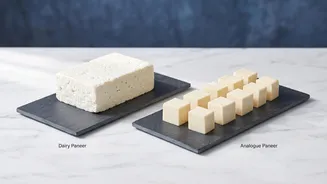
this is a product designed to look and feel like real paneer, but its core ingredients are not derived from milk. Instead of being made by curdling fresh milk, analogue versions are often produced using cheaper substitutes like vegetable oils (commonly palm oil), starch, skimmed milk powder, and various emulsifiers. The goal is to mimic the texture and appearance of dairy paneer at a lower production cost.
Why FSSAI Is Stepping In
The crackdown is driven by two main concerns: consumer deception and public health. When a product is sold as 'paneer', consumers rightfully expect it to be a milk-based product with a certain nutritional profile, rich in protein and calcium. Analogue paneer, however, often contains significantly less protein and calcium, while being higher in carbohydrates and unhealthy trans fats from hydrogenated vegetable oils. This not only deprives consumers of expected nutrients but can also pose long-term health risks, including digestive issues, weight gain, and an increased risk of heart disease. Selling these substitutes without clear labelling is considered a misleading trade practice.
The Proposed New Rules
To address this, FSSAI has issued a draft amendment to its regulations, proposing to restrict the manufacture and sale of analogue products being marketed as 'paneer'. The draft, published in September 2026, gives stakeholders 60 days to provide feedback. If finalized, the new rule will prohibit any product not made from milk from using the term 'paneer' on its label or in its marketing. This means businesses, including restaurants and hotels, would need to clearly disclose if they are using a dairy analogue. Several states, including Maharashtra, Gujarat, and Karnataka, have already implemented their own bans on the sale of analogue paneer, citing public health and consumer rights.
How to Spot the Difference
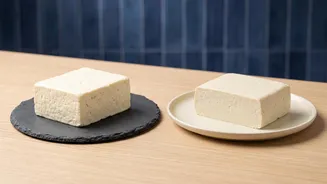
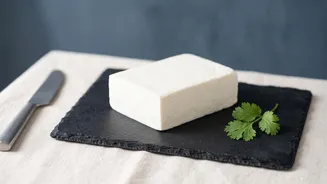
While lab tests are definitive, consumers can use a few simple checks. Real paneer is soft, moist, and slightly crumbly with a fresh, milky aroma. Analogue versions often feel rubbery, unnaturally smooth, or plasticky, and may have a chemical or bland smell. A simple home test is to boil a small piece of paneer, let it cool, and add a drop of iodine tincture. If it turns blue or black, it indicates the presence of starch, a common filler in analogue products. Another clue is how it behaves when handled; real paneer crumbles when mashed, while fakes might become sticky or break apart too easily.