






Understanding the Proposal
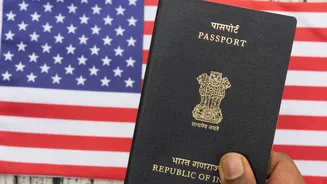
Recent reports in early August 2026 indicate the Trump administration is considering a proposal to impose a $100,000 fee on international students seeking to work after graduation under the Optional Practical Training (OPT) program. First detailed in The
Wall Street Journal, the proposal would introduce a massive financial barrier to a program widely used by graduates to gain US work experience. Details remain scarce, and it is currently unclear whether the student, their future employer, or another party would be responsible for paying the six-figure sum. The plan is not official policy but is reportedly under discussion within the Department of Homeland Security (DHS) as part of a broader strategy to increase the costs associated with legal immigration pathways.
What Is Optional Practical Training?
Optional Practical Training, or OPT, is a long-standing program that allows eligible F-1 visa students to gain up to 12 months of practical work experience directly related to their field of study. For those who have graduated with a degree in science, technology, engineering, or mathematics (STEM), an additional 24-month extension is available, providing a total of three years of potential work authorization. For many international students, OPT is a crucial bridge between their US education and a professional career, often serving as a stepping stone toward H-1B sponsorship or other employment-based visas. The program is incredibly popular; in 2024, approximately 419,000 international graduates were working in the US under OPT. It is often cited as a key reason why students, including a large contingent from India, choose to bear the high cost of a US university education.
The Source and Status of the Plan
It is critical to understand that this $100,000 fee is currently just a proposal. It is not law, has not been implemented, and has not been formally published as a proposed rule for public comment. The idea is being weighed by the Trump administration and is part of a pattern of moves aimed at deterring certain forms of immigration. This follows a previous attempt by the administration to impose a similar $100,000 fee on H-1B visas, a move that was later struck down by a federal judge as an unconstitutional tax. As of mid-August 2026, the plan remains an internal discussion within the DHS, which has stated that policies should not be considered final until a formal announcement is made.
Potential Economic and Academic Impact
Should the proposal move forward, experts across academia and business predict significant negative consequences. University leaders have voiced concerns that making OPT financially prohibitive would severely diminish the appeal of a US education. International students contribute billions annually to the US economy through tuition and living expenses, and schools fear that top talent would simply choose to study in more welcoming countries like Canada, the UK, or Australia. For US businesses, the proposal threatens a vital pipeline of highly skilled talent, particularly in the STEM fields where demand is high. Economists and business groups argue that international graduates on OPT help drive innovation and fill critical roles, rather than harming the job prospects of American workers.
Legal Hurdles and Future Outlook
The proposal faces a potentially difficult road ahead. Immigration law experts have already questioned its legality, noting the lack of clear statutory authority for a fee of this magnitude. The legal rebuke of the earlier $100,000 H-1B fee serves as a powerful precedent. Some attorneys have suggested the proposal may be a form of 'political theater' designed to cause alarm, rather than a viable policy that could survive legal challenges. While the idea has sent shockwaves through the international student community, its future is highly uncertain. For now, the rules for OPT remain unchanged. However, other regulatory shifts are affecting F-1 students, such as the move away from 'duration of status' admission to fixed four-year periods, which already adds new administrative hurdles for those needing to extend their stay for programs or practical training.