




In a world grappling with soaring energy demands and the urgent need for decarbonisation, every power source is under scrutiny. The International Atomic Energy Agency (IAEA) confirmed that nuclear power provided about a tenth of global electricity in 2025.
Decoding the Ten Percent Figure
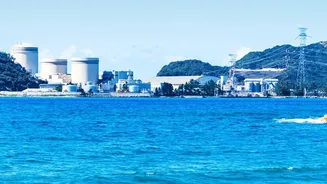
On the surface, ten percent might not sound like a dominant share. However, in the context of global energy, it is a massive contribution. In 2025, more than 400 nuclear reactors operating in over 30 countries generated this power, establishing a new record for total electricity produced from nuclear sources. This output is significant because it represents roughly a quarter of all the world's low-carbon electricity, making it the second-largest source after hydropower. This consistent, large-scale power is known as 'baseload' energy, meaning it runs 24/7, providing a stable foundation that intermittent renewables like solar and wind cannot always guarantee. The United States remains the largest single producer of nuclear power, while countries like France rely on it for the majority of their electricity.
A Resurgence or a Standstill?
The 2025 figures suggest that after a period of stagnation, particularly following the Fukushima incident in 2011, nuclear power is seeing a renewed global interest. For the fifth consecutive year, the IAEA has had to revise its future projections for nuclear capacity upwards. This renewed momentum is driven by two primary forces: energy security and climate goals. Many nations are looking to reduce their reliance on volatile fossil fuel markets. Simultaneously, the push for net-zero emissions has made nuclear energy, which produces no carbon dioxide during operation, an attractive option for complementing renewables. Global nuclear generation capacity is now projected to potentially more than triple by 2060, a significant shift in outlook. This growth is visibly led by Asia, with China in particular undergoing a rapid expansion of its nuclear fleet.
The Enduring Nuclear Dilemma
Despite its climate advantages, the debate around nuclear power remains intense. The technology's greatest strengths are its reliability and low-carbon output. However, its challenges are equally significant. Nuclear power plants are incredibly expensive and can take over a decade to build, a difficult proposition for many governments and private investors. Public perception is also a major hurdle, with safety and the long-term storage of radioactive waste being primary concerns. While modern reactors have multiple layers of safety systems, and the industry's overall safety record is strong, accidents, though rare, have long-lasting consequences. The development of new technologies, such as Small Modular Reactors (SMRs), aims to address some of these issues by offering smaller, potentially cheaper, and more flexible designs.
India's Ambitious Nuclear Horizon
For India, this global trend is particularly relevant. With a rapidly growing economy and population, India's energy needs are immense. Currently, nuclear power accounts for only about 3% of the country's electricity generation from an installed capacity of under 10 gigawatts (GW). However, the government has set an ambitious target to increase this capacity to 100 GW by 2047 as part of its goal to achieve net-zero emissions by 2070. This expansion plan includes building more large_scale conventional reactors and investing heavily in the development of indigenous Small Modular Reactors. India recently marked a major milestone by achieving criticality at its first indigenous Prototype Fast Breeder Reactor, a key step in its long_term, three_stage nuclear program designed to maximise its domestic fuel resources. This positions India to become a major player in the future of global nuclear energy.