







The Rise of the 'Plot Twist Trip'
For years, planning a holiday followed a familiar script: choose a place, book flights, and follow a schedule. But in 2027, travellers are ready to rip up that script. The central prediction is the rise of the 'plot twist trip', a vacation deliberately
designed to be out of character. Research from Booking.com shows a staggering 77% of global travellers are interested in taking a trip that is completely different from their usual style. The motivation isn't just personal discovery; it's also about the reaction. Over a third of travellers (36%) admit they want to surprise their friends and family with their unexpected travel choices. This trend signals a move away from cookie-cutter holidays and towards experiences that feel truly unique and personal.
Embracing Your Travel Alter Ego
Fueling this desire for surprise is the concept of the travel 'alter ego'. A vacation offers a unique chance to step outside of our daily lives and personas. The anonymity of being in a new place allows people to be a more adventurous, spontaneous, or relaxed version of themselves. The 'plot twist trip' is the ultimate expression of this, allowing someone who normally loves quiet, rural retreats to suddenly post pictures from a bustling, neon-lit metropolis, shocking their social circle. This isn't about being inauthentic; it's about embracing different facets of your personality that don't get a chance to shine in your day-to-day routine. It transforms travel from a simple break into an act of self-expression and reinvention.
Why Surprise is the New Luxury
In a world where algorithms predict our every move and online reviews can spoil the magic of discovery, genuine surprise has become a rare commodity. This trend highlights a growing weariness with 'decision fatigue', where the endless choices involved in planning a trip can become a burden. Handing over control—either to a loved one, a friend, or even a surprise travel agency—is seen as a luxury. It allows the traveller to fully surrender to the experience without preconceived notions. The joy is no longer just in the destination itself, but in the suspense and the grand reveal, creating a powerful and lasting memory that a planned trip might struggle to match. More than half of travellers have shown interest in booking a trip where the destination remains a secret until arrival.
The Indian Context: Surprising Loved Ones
In India, where family and community are central to life, this trend takes on a special meaning. The concept of a surprise trip fits perfectly with the culture of celebrating milestones and relationships. Imagine secretly organising a trip for your parents' anniversary to a place they've always dreamed of, or a group of friends planning a mystery weekend getaway for a birthday. The shared excitement of the secret and the joy of the final reveal can deepen bonds in a unique way. Booking.com's research also points to an interesting sub-trend where budget dictates the guest list, but the element of surprise can be used to bring people together for experiences that transcend financial planning and focus purely on the shared moment of discovery.
Technology's Role in the Big Reveal
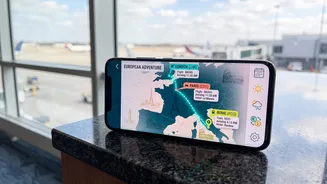
While the trend is about escaping predictability, technology ironically plays a key role. AI-powered tools are making it easier than ever to plan complex surprise trips. A planner can input a traveller's preferences, budget, and desired 'vibe'—be it adventurous, relaxing, or cultural—and let an AI craft a seamless itinerary that remains hidden from the main traveller. Booking.com also notes that travellers are increasingly interested in having an AI agent manage their work emails while they are away, allowing them to be fully 'off the grid' and immersed in the surprise. This blend of high-tech planning and low-tech, spontaneous experience is what makes the 2027 surprise trip so compelling.