



What Does 'Plant-Forward' Actually Mean?
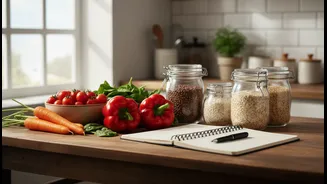
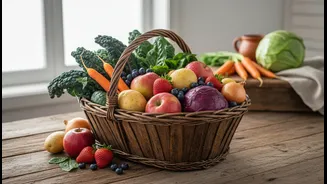
First, let's clear up the confusion. 'Plant-forward' eating is not about becoming strictly vegetarian or vegan. It's a simple, flexible approach where plant-based foods—vegetables, fruits, dals, whole grains, nuts, and seeds—become the central focus of
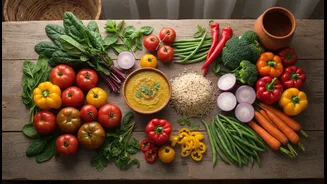
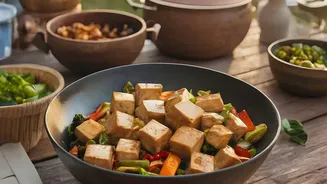
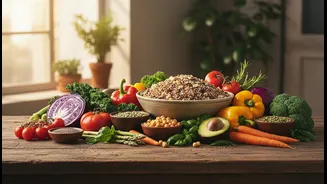
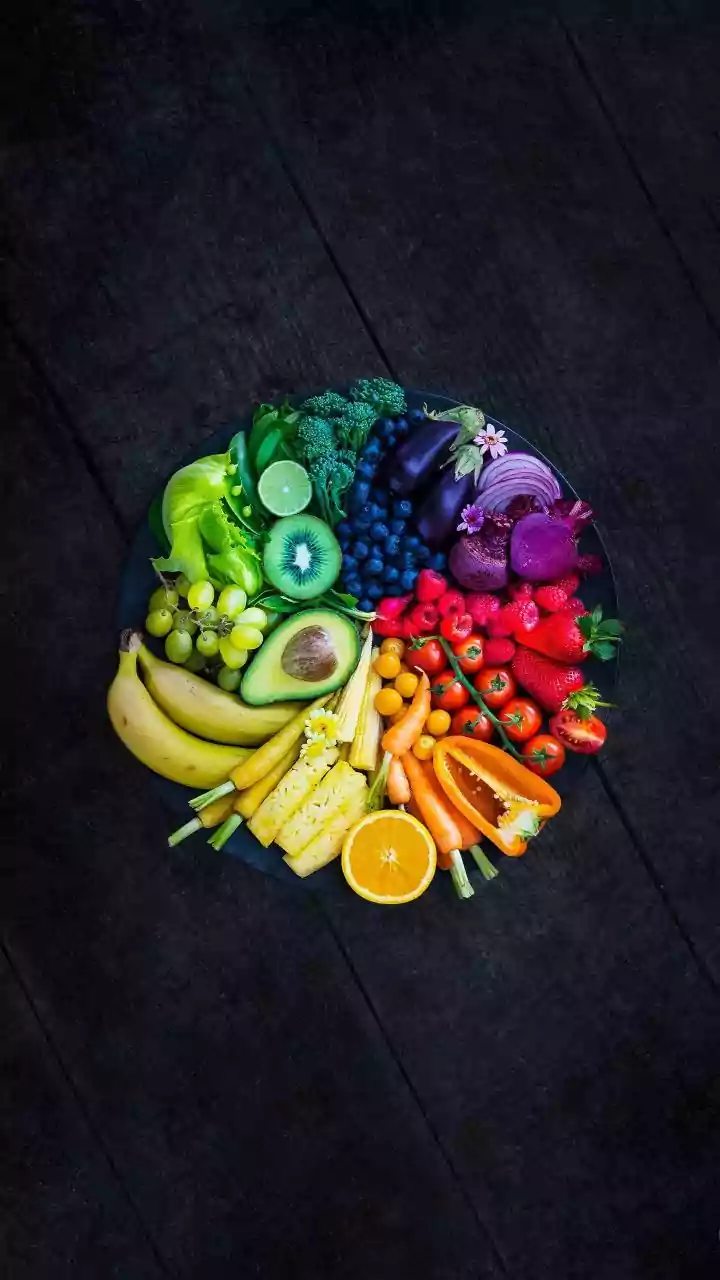
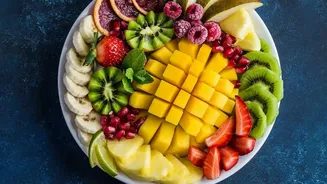
your meals. Meat and dairy can still be part of your diet, but they play a supporting role rather than taking centre stage. The goal is to proportionately increase the amount of food you eat from plant sources. Think of it as shifting the spotlight on your plate, allowing the vibrant, nutrient-rich world of plants to be the star of the show.
Your Kitchen is Already Plant-Powered
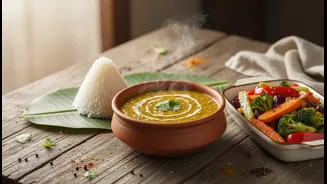
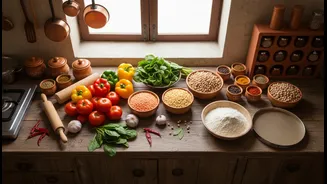
The good news is that traditional Indian cuisine is naturally designed for plant-forward eating. For centuries, our meals have been built around a rich diversity of plant foods that are both nourishing and flavourful. The everyday Indian thali is a perfect example of a balanced, plant-centric meal. It typically includes sources of grains like roti or rice, protein from dal or legumes, and essential vitamins from one or two vegetable dishes (sabzis). Our cooking already celebrates staples like lentils, chickpeas, and a vast array of vegetables, using spices not just for flavour but for their powerful health benefits. Embracing a plant-forward lifestyle doesn't require a radical diet overhaul; it simply asks us to appreciate and lean into the wisdom already present in our kitchens.
Rethink the Thali, Don't Replace It
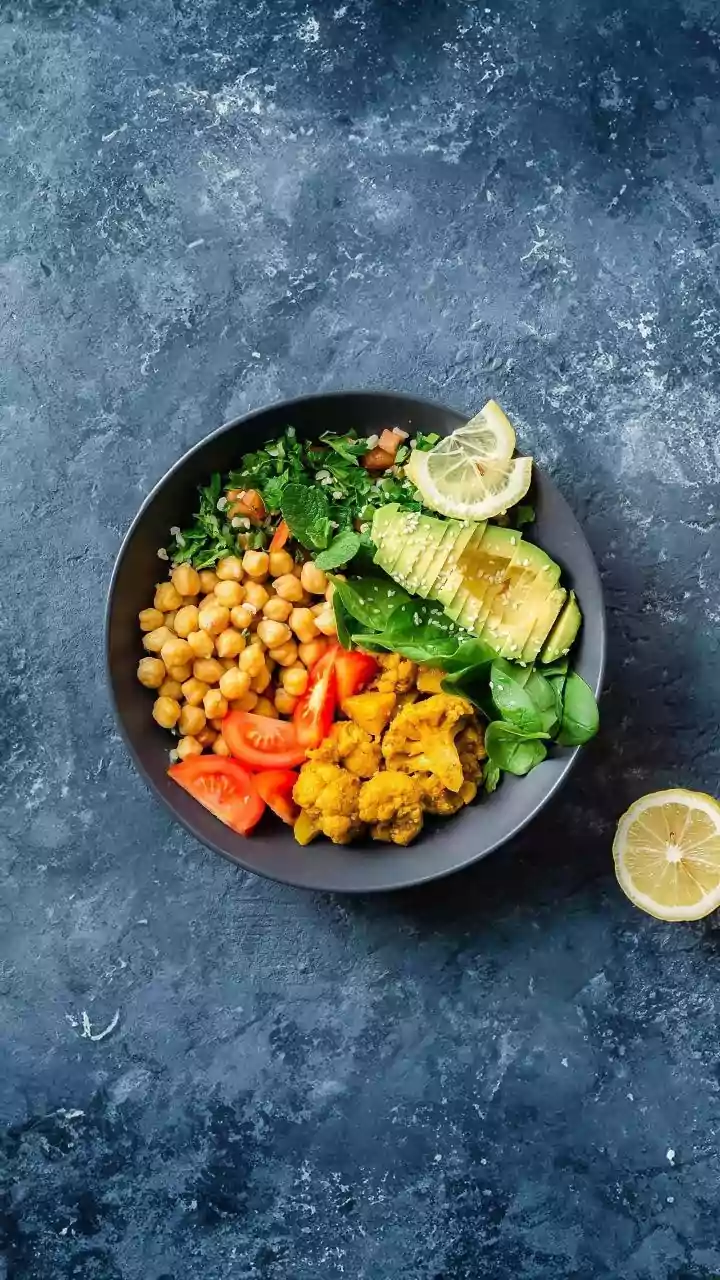
Instead of seeking out complicated new recipes, you can start by making small adjustments to your daily thali. The goal is to enhance its plant-based power. A simple strategy is to mentally divide your plate. Try to fill half of it with vegetables, like a seasonal sabzi and a fresh salad. A quarter should be your protein source, such as a hearty bowl of dal, chana masala, or a sprouted legume stir-fry. The final quarter is for your carbohydrates, like a small portion of millets, brown rice, or a couple of whole wheat rotis. This simple rebalancing act ensures you’re getting more fibre, vitamins, and minerals while naturally managing portion sizes without feeling deprived. It’s the thali you know and love, just optimised for modern health.
Go Local, Not Global, for Superfoods
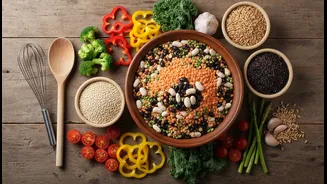
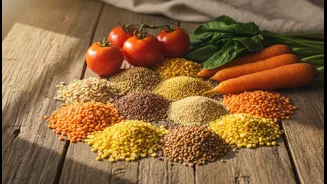
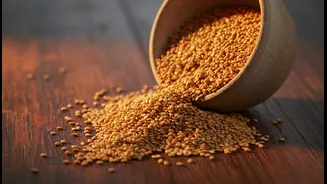
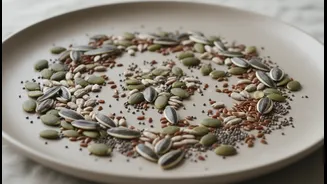
In the quest for health, it's easy to be tempted by expensive, imported 'superfoods' like quinoa, kale, and chia seeds. However, India has its own treasure trove of nutrient-dense powerhouses that are more affordable, sustainable, and better suited to our bodies. Instead of chia seeds, try sabja (basil) seeds or flax seeds (alsi) for your omega-3 fix. Swap quinoa for the incredible variety of Indian millets like ragi, jowar, and bajra, which are packed with protein and fibre. Our local greens like moringa (drumstick leaves) and amaranth are nutritional giants. And why look for imported berries when we have amla, which contains dramatically more vitamin C? Choosing local superfoods supports our farmers and delivers fresher, more potent nutrition.
Simple Swaps for Everyday Meals
Integrating a plant-forward approach can be as simple as making a few smart swaps in your daily routine. Start your morning with a protein-rich besan chilla or moong dal cheela instead of a packaged breakfast. When making classics like poha or upma, double the amount of vegetables you add. Ensure your dals are cooked with a variety of vegetables and greens to make them more robust. At snack time, reach for a handful of roasted makhana, a piece of seasonal fruit, or a small bowl of sprouts instead of fried or processed options. Even small changes, like using whole wheat atta for rotis or switching to cold-pressed oils for tadkas, can collectively make a significant impact on your overall health without sacrificing the flavours you cherish.