






An Icon in the Bathroom Cabinet
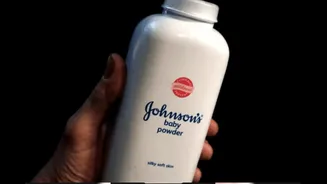
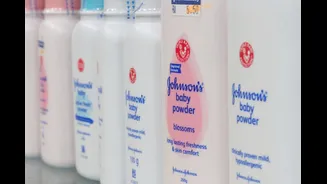
First sold in 1894, Johnson's Baby Powder became more than just a consumer product; it became a cultural icon. Marketed with the scent of trust and nostalgia, its signature white bottle was a fixture in nurseries and bathrooms for generations. The key
ingredient was talc, a naturally occurring mineral known for its ability to absorb moisture and reduce friction, making it seemingly perfect for preventing diaper rash and for general cosmetic use. For decades, the product was one of Johnson & Johnson's most recognizable and trusted brands, building a legacy that made the later controversy all the more shocking to the public.
The Core of the Crisis: Talc and Asbestos
The entire legal crisis hinges on the geological relationship between talc and asbestos. Both are naturally occurring minerals that can be found in close proximity in the earth. As a result, talc deposits can be contaminated with asbestos, a known carcinogen linked to mesothelioma and other cancers. Plaintiffs in the lawsuits allege that Johnson & Johnson knew for decades that its raw talc and finished powders sometimes tested positive for asbestos but failed to warn consumers or regulators, instead working to discredit the science. Johnson & Johnson has consistently and forcefully denied these allegations, stating that its baby powder is and always has been asbestos-free and safe to use. The company maintains that decades of testing by independent labs and its own experts support its position.
The Lawsuits Begin
The legal battle didn't start overnight. The first lawsuit linking talc use to ovarian cancer was filed in 2009. The plaintiff, Deane Berg, won her case in 2013, but the jury did not award her any damages. However, her case opened the floodgates. By 2016, the first major verdict came down, a $72 million award to the family of a woman who died from ovarian cancer. This was followed by a landmark $4.69 billion verdict in 2018 for 22 women, a decision that galvanized the litigation and saw tens of thousands of new cases filed. The lawsuits generally fall into two categories: those alleging talc use caused ovarian cancer and those alleging it caused mesothelioma, a cancer strongly linked to asbestos exposure.
J&J's Controversial Legal Strategy
Facing an avalanche of litigation with more than 60,000 pending cases, Johnson & Johnson pursued a controversial legal maneuver known as the "Texas two-step." In 2021, the company created a new subsidiary, LTL Management, and transferred all its talc-related liabilities to it. That subsidiary then promptly filed for bankruptcy, a move intended to pause the thousands of lawsuits and force claimants into a consolidated settlement through the bankruptcy court. However, courts repeatedly rejected this strategy, ruling that the subsidiary was not in genuine financial distress and that J&J could not use bankruptcy to shield itself from the lawsuits.
The End of an Era and a New Settlement
While maintaining the safety of its product, Johnson & Johnson made a commercial decision to halt sales of talc-based baby powder in the U.S. and Canada in 2020, citing declining demand due to "misinformation." By 2023, the company had discontinued the product globally, switching entirely to a cornstarch-based formula. After its bankruptcy strategy failed, J&J shifted tactics. In July 2026, after years of mixed results in individual trials, the company announced a proposed $5.5 billion settlement to resolve an estimated 76,000 ovarian cancer lawsuits. The deal is conditioned on at least 95% of claimants agreeing to the terms.