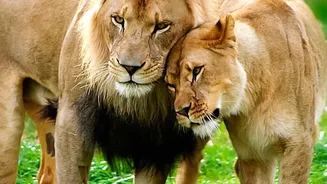








A Success Story's Dangerous Downside
The conservation of the Asiatic lion is one of India's proudest wildlife achievements. From fewer than 50 individuals in the early 20th century, the population has rebounded to nearly 900 by 2025. This entire wild population, however, lives in a single,
connected landscape in and around Gir National Park. Conservation scientists have long warned that this is a precarious situation. Having all your lions in one basket makes the entire species dangerously vulnerable to a single catastrophic event, such as a disease outbreak or a natural disaster. This isn't just a theoretical risk; in 2018, an outbreak of Canine Distemper Virus killed more than two dozen lions within weeks, a stark reminder of how quickly disaster could strike. Furthermore, Gir's core protected area is now ecologically full, pushing lions into surrounding agricultural lands and villages, which increases human-wildlife conflict and accidents.
Why Barda Is the Chosen Ark
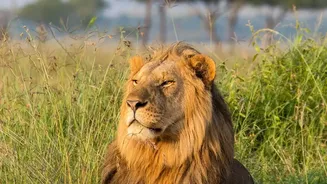
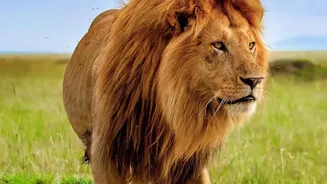
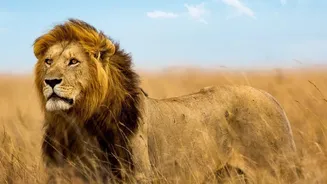
About 100 kilometres west of Gir lies the Barda Wildlife Sanctuary, an expanse of semi-arid hills and dry deciduous forests. Identified as a potential second home for lions for decades, Barda has now been officially designated as such under Project Lion, a comprehensive conservation initiative. The sanctuary is a natural choice for several reasons. Historically, lions roamed this area until they disappeared around 1879. Its landscape is similar to Gir, making it a suitable habitat. A major milestone was reached in 2023 when a lone male lion naturally dispersed from the Gir landscape and walked into Barda, the first to do so in 144 years. This pioneering journey confirmed the existence of a natural corridor and signaled that Barda was ready to once again become a kingdom for the big cats.
Building a New Home Brick by Brick
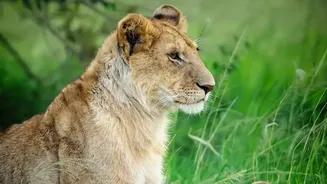
Following the male lion's natural arrival, the Gujarat Forest Department carefully augmented the new population by translocating five lionesses from Gir under scientific supervision. The plan worked. The pride bred naturally, and by 2025, a small but significant population of 17 lions, including 11 cubs, was recorded in Barda. To support them, extensive work is underway. A key challenge is ensuring a sufficient food source to prevent lions from preying on livestock. Early surveys showed a low density of natural prey. To address this, the forest department has been translocating hundreds of herbivores like spotted deer (chital) and sambar from Gir to Barda using gentle capture techniques. The habitat itself is also being improved, with efforts to remove invasive plant species and restore grasslands.
The Human-Wildlife Equation
A successful reintroduction isn't just about animals; it's about people. The Barda landscape is home to several ethnic communities, including Maldhari pastoralists. Ensuring their safety and cooperation is paramount to the project's long-term success. The government has rolled out schemes for the voluntary relocation of families from inside the sanctuary, offering financial packages to help them move. For those living nearby, measures like constructing protective walls around open wells and deploying rapid response teams are being implemented to mitigate conflict. Moreover, the arrival of lions is creating new economic avenues. Ecotourism activities began in Barda in 2024, providing livelihood opportunities for locals as safari guides and operators, linking the lions' well-being directly to the community's prosperity.