


From the Locker to the Wardrobe
For generations, handloom textiles were seen as precious heirlooms, carefully stored and brought out only for special events. Fabrics like heavy silks, intricate brocades, and detailed zardozi work were synonymous with formality and celebration. While
beautiful, their richness often made them impractical for everyday life. Now, a quiet revolution is underway. Designers and brands are transforming these storied fabrics into apparel that fits a modern, daily-wear context, making it possible to wear a piece of history on a regular Tuesday. This shift reflects a growing desire for clothing with authenticity and character, moving beyond mass-produced fashion.
The Comfort and Functionality Factor
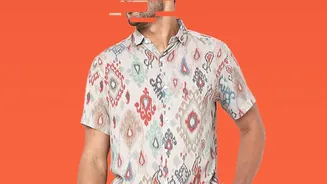
The key to this transition is a focus on relaxed silhouettes and practical designs. The post-pandemic world has seen a significant shift towards comfort, with consumers favouring breathable, easy-to-wear styles over restrictive formalwear. Designers are responding by using heritage textiles like Khadi, handloom cotton, and lightweight silks to create pieces that are both stylish and comfortable. Think breezy Khadi co-ord sets, Ikat patterned dresses, Chikankari tunics, and even handloom cotton trousers. These modern cuts allow the traditional fabric to shine while providing the functionality needed for a workday, a casual outing, or even working from home.
Designers Championing the Change
A new generation of Indian designers is leading this movement, viewing heritage crafts not as relics but as a canvas for innovation. Labels like Dressfolk and Rouka are creating effortless everyday pieces from textiles like Chanderi and handwoven cottons. Brands such as Raw Mango have made Chanderi silk synonymous with contemporary flair, while Ekaya Banaras is reimagining Banarasi weaves into playful co-ords and sculptural jackets, proving the fabric's versatility beyond sarees. Anavila Misra focuses on modern silhouettes and functional designs to make handloom appealing for work and casual wear. These designers are bridging the gap between age-old techniques and modern wardrobes, making heritage cool and accessible.
A Sustainable Choice for a Modern World
This trend is about more than just aesthetics; it's a move towards a more sustainable and ethical fashion ecosystem. Handloom production uses minimal energy and relies on natural fibres, making it an eco-friendly choice compared to fast fashion. By working directly with artisan clusters, brands like 11.11 / eleven eleven and Jiwya ensure that craftspeople receive fair wages and that their skills are preserved for future generations. This provides a more stable livelihood for weaving communities, who can now cater to a year-round demand for daily wear rather than just a seasonal one for festive clothing. For the conscious consumer, choosing a handloom piece is a vote for slower, more mindful consumption.