

From Eyesore to Essential Ingredient
For too long, the garnish has been misunderstood. It’s often seen as a purely decorative element, added to a plate to provide a splash of colour or fill an empty space. While visual appeal is certainly important—we do, after all, eat with our eyes first—a
garnish that only looks good is a missed opportunity. The modern approach to cooking, both in professional kitchens and at home, treats the garnish as a functional component of the dish. A thoughtful garnish should add a layer of flavour, a surprising texture, or an enticing aroma that complements and enhances the main ingredients, turning a good meal into a great one.
The Power of Fresh Herbs
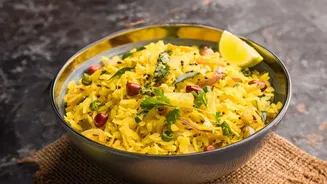
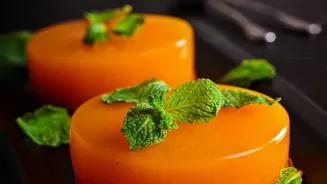
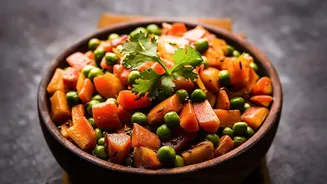
Fresh herbs are perhaps the most common and effective type of functional garnish. In Indian cuisine, a sprinkle of freshly chopped coriander (dhaniya) is almost iconic. Its bright, citrusy notes cut through the richness of a hearty dal or curry, adding a burst of freshness right at the end. Similarly, mint leaves (pudina), often gently bruised to release their aromatic oils, can bring a cooling contrast to spicy dishes or raitas. But it doesn't stop there. Dried fenugreek leaves (kasuri methi), crushed and scattered over a butter chicken, release a uniquely savoury aroma and depth of flavour that is hard to replicate. The key is to add these herbs at the very last moment to preserve their vibrant flavour and delicate aromas.
Beyond Herbs: Zest, Spice, and Heat
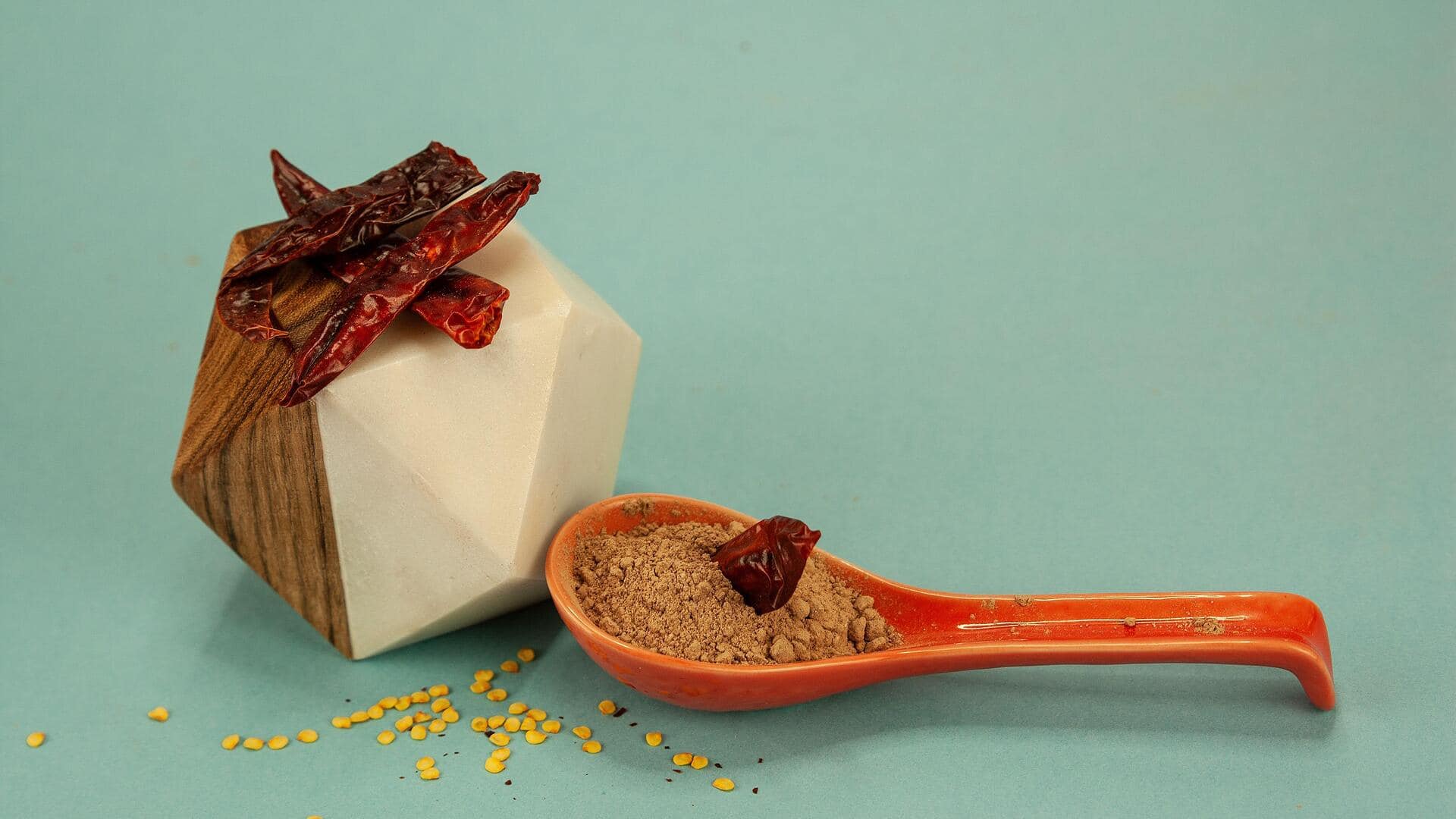
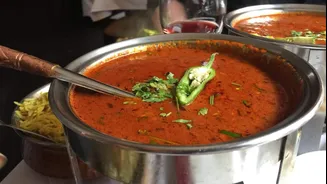
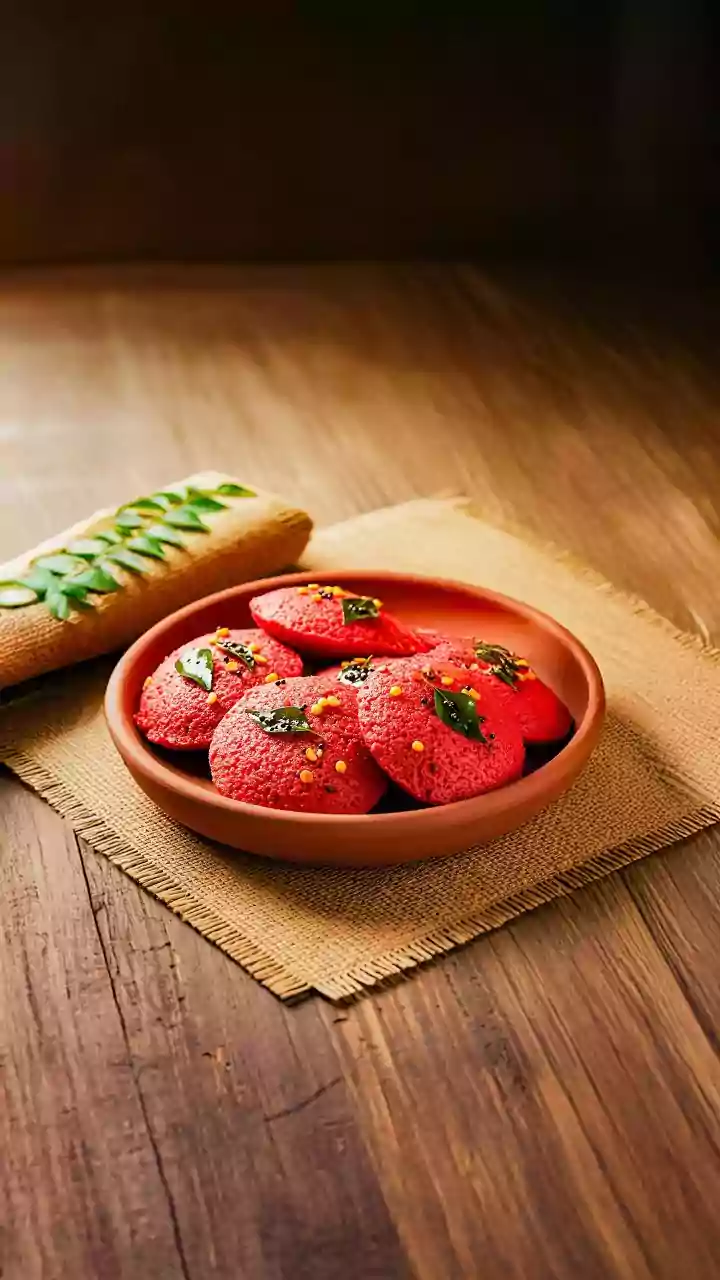
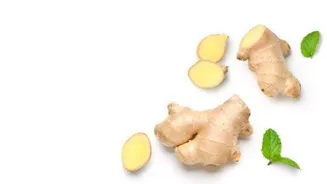
Thinking beyond leafy greens opens up a world of possibilities. A little citrus zest—from a lemon, lime, or even an orange—can add a fragrant, bright note that lifts heavy or rich dishes. Finely chopped green chillies or ginger matchsticks can introduce a welcome kick of heat and pungency, providing a sharp contrast to a creamy curry. Even whole spices can be used as a finishing touch. A light dusting of paprika or chilli powder over a dhal not only adds colour but also a final whisper of flavour. In South Indian cooking, the 'tadka' or tempering of mustard seeds, curry leaves, and other spices in hot oil is often poured over a dish just before serving, acting as a flavour-packed garnish that sizzles with aroma.
It’s All About Textural Contrast
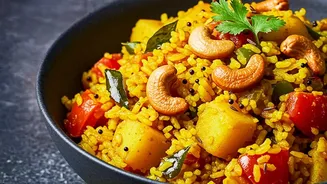
Flavour isn't the only sense a garnish can appeal to; texture is just as crucial for a memorable eating experience. A dish with a uniform consistency can become monotonous, but a crunchy garnish can introduce excitement. Think of the satisfying crunch of fried onions (birista) sprinkled over a biryani, the nutty bite of toasted almonds on a korma, or the crispiness of boondi in raita. These elements do more than just add texture—they contribute their own flavour profile, like the sweetness of the fried onions or the toasted notes of the nuts. Even a simple dollop of cooling yoghurt on a spicy curry serves as a garnish that provides both textural creaminess and a balancing flavour.
Garnishing with Purpose
To make your garnishes work for you, think of them as an integral part of the recipe. The garnish should always complement the dish, not overpower it. A powerful herb like rosemary might be perfect for roasted meats but would overwhelm a delicate lentil soup. Always use fresh ingredients for the best impact. For herbs, chop them just before serving to retain their essential oils. For nuts and seeds, a quick toast in a dry pan can amplify their flavour significantly. The goal is to add a final flourish that feels intentional and makes sense with every bite. The best garnish is one that you want to eat with the food, not push to the side of the plate.