







A Five-Month High Performance
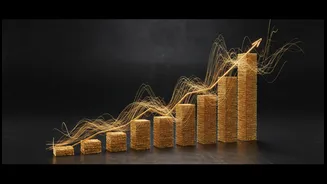
India's core sector output grew by 5% year-on-year in June 2026, a significant jump from the 3.2% growth recorded in May. This acceleration marks the fastest pace of growth in five months, offering a dose of optimism for the country's industrial and economic
outlook. The data comes from a newly revised Index of Core Industries (ICI), which now uses 2022-23 as its base year and, crucially, includes iron ore as the ninth core sector for the first time. This index, which measures the output of fundamental industries, accounts for over 40% of the Index of Industrial Production (IIP), making it a critical barometer of economic activity. The cumulative growth for the first quarter of the financial year (April-June 2026) stands at 3.6%, a substantial improvement over the 1% growth seen in the same period last year.
The Triple Engine: Iron Ore, Cement, and Power
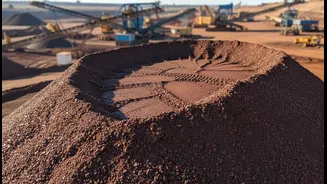
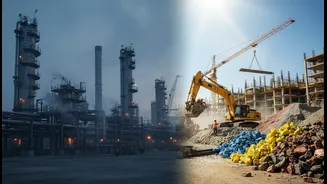
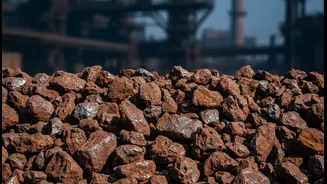
The headline growth was powered by stellar performances in three key areas mentioned in the headline. The newly included iron ore sector was the standout performer, rocketing up by an astonishing 43.9%. This massive jump, partly due to a favourable low base from the previous year, reflects the mineral's critical role in the industrial production chain. Following close behind were the cement and electricity sectors, both recording robust growth of 9.8%. The surge in electricity generation is attributed to higher demand from both industries and households, especially given the heatwave conditions in parts of the country. Meanwhile, the strength in cement production points towards sustained activity in construction and infrastructure, driven by both government spending and private sector investment.
Steel and Coal: A Mixed but Positive Picture
While iron ore's inclusion was newsworthy, its impact is directly felt in the steel sector, a traditional pillar of the core index. Steel output registered a healthy growth of 4.6% in June. The government's updated methodology now uses gross production data for steel, aligning it more closely with broader industrial production metrics. Coal production also returned to positive territory, growing by a modest 1.4%. While not a dramatic figure, it reverses a trend of contraction seen in previous months, with some analysts suggesting that a lull in rainfall supported better mining activity.
Sectors Facing Headwinds
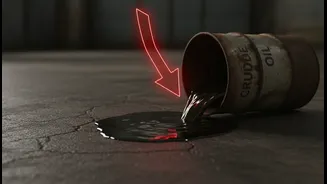
However, the growth story was not uniform across all sectors. Four of the nine industries recorded a contraction in June, highlighting underlying challenges. Natural gas production saw the steepest decline, falling by 7.4%, followed by refinery products which contracted by 4.7%. Crude oil output also continued its downward trend, shrinking by 4.2%, while the fertiliser sector fell by 3.3%. The struggles in the energy-related sectors like crude oil and natural gas point to persistent issues, while the dip in fertiliser output is being watched closely, especially in the context of global supply chain vulnerabilities.
What This Means for the Economy
The strong core sector performance in June is a positive sign for the broader economy. As a high-frequency indicator, it suggests that industrial activity is resilient and gaining momentum. The government has noted that iron ore and electricity have been the principal drivers of this growth in recent months. This data sets a positive tone for the upcoming Index of Industrial Production (IIP) figures and feeds into the overall GDP calculation for the first quarter. While the manufacturing PMI showed a slight moderation in June, the core data indicates that the foundational industries are holding strong. The robust output in sectors like cement and steel is particularly encouraging, as it signals continued investment in infrastructure and capital goods, which are crucial for long-term economic expansion.