



What is SMOPS?
The International Conference on Spacecraft Mission Operations, or SMOPS, is a premier global gathering for the minds shaping the future of space exploration. Jointly organised by bodies including the Indian Space Research Organisation (ISRO), it brings
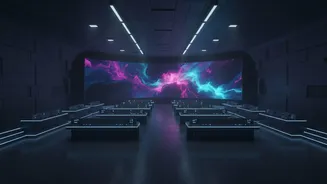
together experts from agencies like NASA and ESA, private industry, and academia. The recent SMOPS-2026 held in Bengaluru focused on a critical theme: leveraging smart, innovative operations for sustainable missions. At the heart of these discussions is the move away from manually intensive processes towards a more autonomous future. One of the most significant topics on the agenda is the advancement and implementation of automated mission control.
Why We Need Autonomous Control Rooms
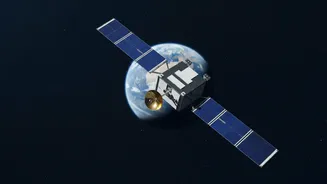
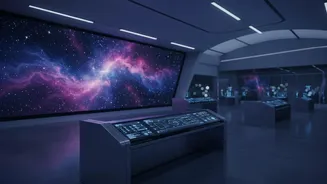
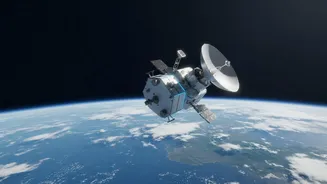
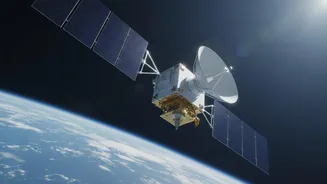
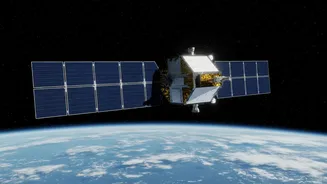
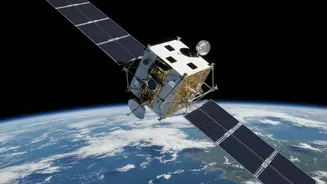
For decades, mission control has been synonymous with rooms full of brilliant engineers glued to their screens, manually flying spacecraft and managing every detail 24/7. While this model worked for singular, high-profile missions, it is becoming unsustainable. Today's space is defined by new challenges: massive satellite mega-constellations with thousands of individual units, increasing space debris, and deep-space missions where communication delays can last for hours. Manually managing a constellation of 10,000 satellites or telling a Mars rover to sidestep a rock when the signal takes 20 minutes each way is simply impossible. Automation is no longer a luxury; it is a necessity to handle this new scale and complexity, reduce operational costs, and improve mission safety and efficiency.
The Brains of the Operation
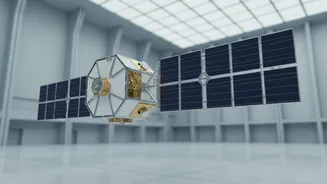
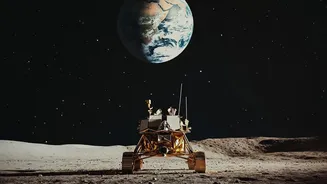
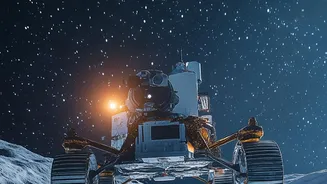
So, what is automated mission control? It is the use of artificial intelligence and advanced software to handle the routine and even some of the critical tasks of operating a spacecraft. Think of it as a highly intelligent co-pilot. This includes AI algorithms that can predict and diagnose system failures before they happen, autonomously plan and execute course corrections to avoid space debris, and optimize the use of precious resources like fuel and power. For deep-space missions, onboard AI grants the spacecraft the ability to make its own decisions in real-time, from navigating hazardous terrain for a landing to identifying scientifically interesting targets without waiting for instructions from Earth. This technology is the backbone that will enable more complex missions, like establishing permanent lunar habitats and exploring the outer planets.
The Changing Role of the Human Operator
A common fear with automation is the replacement of human jobs. In mission control, however, it represents an evolution of roles. Human operators are not being made obsolete; they are being elevated. Instead of being 'in the loop' and manually performing every action, they are moving 'on the loop' or 'over the loop'. Their role shifts from being a remote pilot to a high-level mission manager. They will supervise the AI, set the strategic goals, and handle the unique, unforeseen circumstances that the AI cannot. This human-machine teaming allows for the best of both worlds: the computational power and speed of AI combined with the ingenuity, intuition, and ethical oversight of human judgment.
The Risks and Roadblocks
Handing over the keys to a billion-dollar spacecraft is not without its risks. The challenges are significant. First and foremost is the issue of trust and reliability. The software must be virtually flawless, as a single bug could be catastrophic. Cybersecurity is another major concern; an autonomous system could become a target for hackers. There is also the 'black box' problem, where complex AI makes a decision, but engineers cannot be entirely sure why it made that choice. Overcoming these technical and ethical hurdles is a primary focus for conferences like SMOPS, requiring international collaboration to create standards that ensure these powerful systems are used safely and responsibly.