




Why We Rotate Plants in the First Place
The instinct to lean toward a window is a plant's survival mechanism called phototropism. Plants contain a hormone called auxin that promotes cell elongation. When one side of a plant is in shade, auxins accumulate there, causing those cells to grow longer
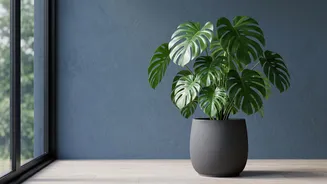
and faster, effectively 'bending' the plant toward its energy source: the sun. Over time, this results in an unbalanced look, with dense growth facing the light and a sparse, leggy side facing the room. Regular rotation is the simple fix that encourages all sides of the plant to receive light, promoting strong, symmetrical, and upright growth.
The Danger of a Sudden Turn
While rotation is beneficial, a sudden 180-degree turn can be a significant shock to a plant's system, especially for those that are more delicate. Leaves that were previously in the shade are suddenly exposed to intense, direct light they are not acclimated to. This can cause 'leaf scorch,' which appears as brown or yellow patches. Furthermore, the entire plant may experience a form of shock from the abrupt environmental change, which can manifest as wilting, yellowing leaves, or even leaf drop as the plant struggles to reorient itself. Think of it as moving from a dark room into bright sunshine; the plant needs time to adjust.
Which Plants Are Most Sensitive?
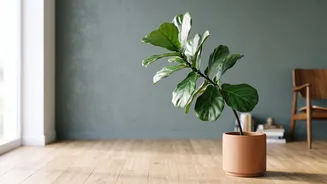
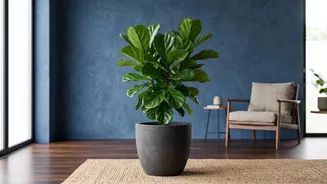
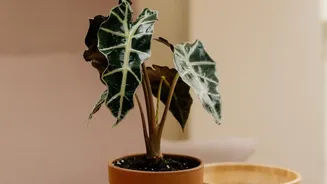
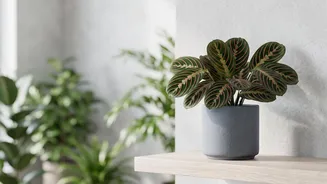
Not all plants are created equal when it comes to handling change. While hardy plants like Snake Plants and ZZ Plants are famously tolerant of a wide range of conditions, others are known for being particular. Fiddle Leaf Figs, for instance, are notoriously fussy and may drop leaves if their environment changes too quickly. Similarly, certain species of Alocasia, Calathea, and ferns, which are accustomed to the dappled, indirect light of a forest understory, can be highly sensitive to sudden shifts in light intensity. Any plant that you know to be a 'diva' should be treated with extra care when it comes to rotation.
The Correct Way to Rotate Your Plants
The key to successful rotation is to do it gradually. The most widely recommended method is to give the plant's pot a quarter-turn (about 90 degrees) on a consistent schedule. A great way to remember is to do it every time you water your plant. This small, regular adjustment prevents one side from ever getting too accustomed to the shade or too blasted by the sun. For a weekly watering schedule, this means the plant will complete a full 360-degree rotation over the course of a month. This gentle process encourages the plant to grow straight and full without causing the shock of a sudden, drastic change.
Reading the Signs of Stress
Your plants will tell you if you're moving too fast. If you've recently rotated a plant and notice its leaves are starting to droop, turn yellow, or fall off, it could be a sign of shock. You might also see pale or scorched spots on the leaves that were newly turned toward the window. If you see these signs, don't panic. Simply stop rotating the plant for a few weeks to let it recover and accilmate to its current position. When you resume, make the turns even smaller or less frequent. Observing your plant's response is the most important part of good plant care; every plant and every home environment is slightly different.