




Yoga: Breathing into Stillness
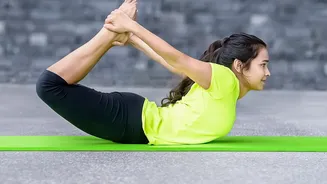
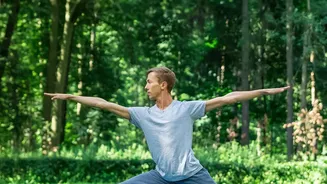
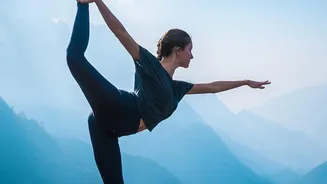
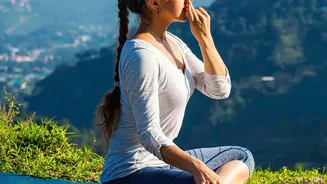
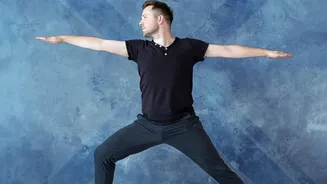
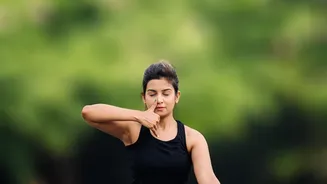
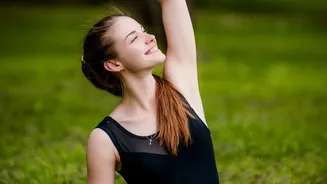
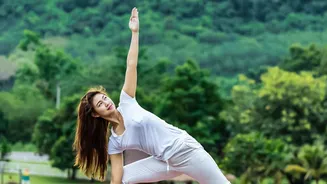
In yoga, the breath, or 'pranayama', is not just an accompaniment to the physical postures (asanas); it is a central practice for steadying the mind. Techniques like Ujjayi (Ocean's Breath) and Nadi Shodhana (Alternate Nostril Breathing) are designed
to directly influence your mental state. By consciously slowing and controlling the breath, you activate the body's relaxation response, which calms the nervous system, reduces stress hormones, and quiets distracting thoughts. This creates the mental clarity necessary for both holding a challenging pose and achieving a meditative state. The focus required to follow a specific breathing pattern trains your attention, making it less likely to wander. It's a foundational skill that turns physical movement into a mindful practice.
Archery: The Anchor of the Shot
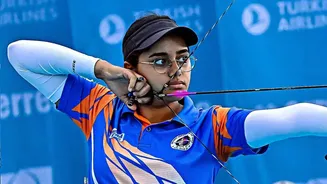
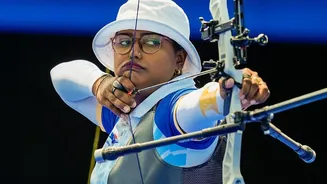
For an archer, an unsteady body means a missed target. While strong muscles are key, elite archers know that the ultimate stabilizer is the breath. Holding a full inhale causes the chest to rise, while a full exhale makes it fall; both create movement that can ruin a shot. To counter this, archers use a highly specific breathing cycle. A common technique involves inhaling while raising the bow, then exhaling about halfway while settling into their anchor point. They then hold their breath in that natural pause—the moment of maximum stability—as they release the arrow. This process does more than just steady the body. A controlled exhale helps lower the heart rate, reduces muscle tension, and keeps the mind from succumbing to the pressure of the shot. Forgetting to breathe correctly is a common source of inconsistency and anxiety for many archers.
The Science of a Steady Mind
Why is breathing such a powerful tool for focus across different disciplines? The answer lies in its unique connection to our nervous system. Slow, deliberate breathing, especially with a focus on the exhale, stimulates the vagus nerve and activates the parasympathetic nervous system—our 'rest and digest' mode. This process actively counteracts the 'fight or flight' response, lowering stress hormones like cortisol, slowing the heart rate, and reducing physical tension. From a mental standpoint, the act of focusing on the rhythm and sensation of your breath provides a single, stable anchor for your attention. Your brain receives a constant, calming signal that helps filter out internal and external distractions, allowing you to remain present and concentrated on the task at hand, whether it's balancing in Tree Pose or aiming at a bullseye.
Two Simple Breaths for Better Focus
You don’t need a bow or a yoga mat to benefit from these principles. Here are two simple techniques you can use anywhere to calm your nerves and sharpen your focus. Box Breathing: Popular with everyone from military personnel to surgeons, this technique is excellent for managing stress. Simply inhale for a count of four, hold your breath for four, exhale for four, and hold the empty breath for four. Repeat for 1–2 minutes to feel a significant drop in your heart rate and a sense of calm. Cyclic Sighing: Recent studies have shown this simple exercise to be highly effective for improving mood. Take a full breath in through your nose, and then, without exhaling, take another short, sharp inhale to completely fill your lungs. Finally, perform a long, slow, complete exhale through your mouth. Just two or three rounds can provide an immediate sense of relief and reset your mental state.