





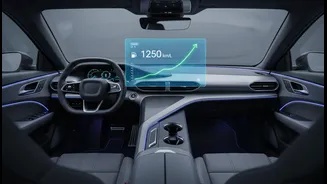


What Are CAFE Norms?
Think of CAFE norms as a report card for car manufacturers, but for fuel efficiency. Instead of grading each car model individually, the regulations measure the average fuel economy across a manufacturer's entire fleet of vehicles sold in a year. This
allows carmakers to sell some larger, less efficient vehicles as long as they are balanced out by smaller, more efficient models, hybrids, or electric vehicles (EVs). The goal, administered by the Bureau of Energy Efficiency (BEE), is to reduce overall fuel consumption and carbon dioxide (CO2) emissions, which in turn helps lower oil imports and improve air quality. India first introduced these standards in 2017 and tightened them with CAFE II in 2022.
The New CAFE III Proposal
The recently released draft for CAFE III, set to apply from April 1, 2027, to 2032, proposes a significant step up in efficiency. The targets will get progressively stricter each year. For example, the proposed fleet-average emission target for FY2028 is around 91.7 to 94.76 grams of CO2 per kilometer, which will tighten to about 70 to 78.90 g/km by FY2032. This is a substantial reduction from current levels and is expected to push manufacturers towards more advanced technologies. One of the biggest technical shifts is the move from the older Modified Indian Driving Cycle (MIDC) testing method to the globally recognized Worldwide Harmonised Light Vehicles Test Procedure (WLTP), which better reflects real-world driving conditions.
Impact on Automakers
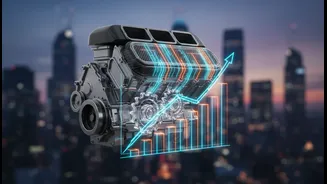
For car manufacturers, CAFE III presents a considerable challenge. To meet these tougher targets, they will need to accelerate investment in a range of technologies. This includes making petrol and diesel engines more efficient, reducing vehicle weight, improving aerodynamics, and, most significantly, selling more hybrid and electric vehicles. To provide flexibility, the rules include a credit trading system. Automakers who beat their targets can earn credits and sell them to those who fall short. The draft also introduces incentives called "super credits" for EVs and strong hybrids, and for the first time, offers benefits for vehicles using ethanol-blended fuel and other biofuels.
What This Means for Car Buyers
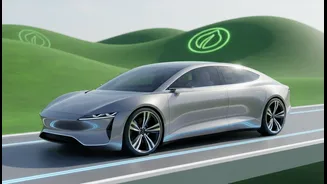
While the regulations are for manufacturers, the ripple effects will be felt by consumers. In the long run, you can expect to see a wider variety of fuel-efficient cars in showrooms, including more hybrid, flex-fuel, and electric models. This will lead to lower running costs due to reduced fuel consumption. However, the initial cost of vehicles might see an increase as manufacturers incorporate more advanced and expensive technologies to meet the norms. The exact impact on pricing will depend on how each company decides to balance technology upgrades and the use of compliance credits. Ultimately, the goal is to give buyers more choices for cleaner mobility.
The Bigger Picture for India
The push for stricter fuel efficiency is a key part of India's broader economic and environmental strategy. By reducing the country's thirst for imported crude oil, these norms contribute to greater energy security. According to one rating agency's estimate, the CAFE III norms could lead to cumulative fuel cost savings of around ₹38,000 crore between FY2028 and FY2032. Furthermore, by cutting down on CO2 emissions from the transport sector, the regulations are a critical tool in India’s efforts to combat climate change and improve public health by reducing air pollution in its cities. The government has also signaled that even stricter CAFE IV norms could follow after 2032, reinforcing the long-term commitment to a cleaner vehicle fleet.