





Breathwork is booming, with many seeking its calming effects. But when it comes to holding your breath, the line between relaxation and risk can be thin, especially when the goal becomes holding on for as long as possible. Let's clear the air.
The Rise of a Powerful Practice
From ancient
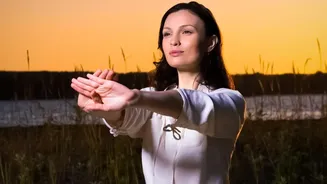
yogic pranayama, like Kumbhaka (breath retention), to modern techniques like the Wim Hof Method, consciously holding your breath is a core component of many wellness practices. Proponents claim a wide range of benefits, from reduced stress and anxiety to improved focus and emotional regulation. For many, these exercises offer a tangible way to influence the nervous system, deliberately shifting from a state of stress to one of calm. The appeal is understandable: in a world of constant stimulation, the ability to find a moment of stillness simply by controlling your breath is a powerful tool. This has led to a surge in popularity, with people exploring these techniques for both physical and mental resilience.
What Happens When You Hold Your Breath
When you voluntarily hold your breath, you kickstart a series of physiological events. Oxygen levels in your blood begin to decrease, while carbon dioxide (CO2) levels rise because you aren't exhaling it. It's this buildup of CO2, not the lack of oxygen, that triggers your brain to create the increasingly urgent desire to breathe. As the hold continues, your body’s diving response can kick in, an involuntary reflex that slows your heart rate and constricts blood vessels in your limbs to conserve oxygen for your vital organs, primarily the brain and heart. At first, you might feel relaxed, but as CO2 accumulates, discomfort grows, and your diaphragm may start to contract involuntarily as your body fights to resume breathing.
The Danger of Pushing Too Far
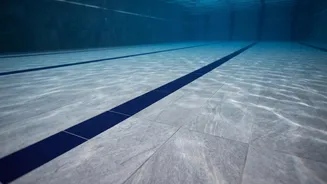
The primary danger lies in ignoring your body's urgent signals to breathe. Pushing a breath-hold too long can lead to a state of low oxygen called hypoxia. This can cause dizziness, lightheadedness, confusion, and even loss of consciousness, often referred to as a blackout. If you faint on land, you risk injury from the fall. But if it happens in or near water—even shallow water—the risk becomes catastrophic. This is known as a shallow water blackout, and it is a leading cause of drowning among proficient swimmers because the unconscious body's reflex is to gasp for air, inhaling water instead. For this reason, forceful breath-holding exercises should never be practiced in or near water.
Why Chasing Longer Holds Is a Bad Idea
The core purpose of most therapeutic breathwork is relaxation and mindfulness. Turning it into a competition—even against yourself—introduces ego, stress, and pressure. This fundamentally contradicts the original goal. When you focus solely on extending your hold time, you are more likely to push past your body's safe and natural limits. Experts warn that this can create physical and mental strain, from headaches and confusion to anxiety and panic attacks. Instead of fostering calm, chasing records can trigger your body’s fight-or-flight response. There is no proven health or fitness advantage for the average person in being able to hold their breath for extended periods. The real benefit lies in the quality of the practice, not the quantity of seconds on a stopwatch.
How to Practice Breath Retention Safely
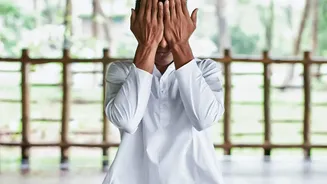
To reap the benefits without the risks, the approach must be gentle and mindful. The key is to listen to your body, not a timer. Start by learning from a qualified and certified instructor who emphasizes safety. Never practice in or near water, or while driving. During the hold, your focus should be on the feeling of calm, not on enduring discomfort. The moment you feel a strong urge to breathe, or any dizziness or distress, you should breathe normally. The goal is not to reach a breaking point but to explore the space of stillness comfortably. Avoid hyperventilating beforehand to try and extend your hold, as this silences your body's warning system and significantly increases blackout risk. True progress in this practice is measured by increased relaxation and self-awareness, not by the seconds you can tally.